


The clash between humans and machines isn’t just science fiction fodder; it’s unfolding in real life, as demonstrated by the recent strike at Hyundai’s Ulsan factory. The introduction of **humanoid robots** at this auto plant has shaken up labor unions, highlighting the intricate balance between technological advancement and job security.

Key Takeaways
- Thousands of Hyundai workers have walked off due to plans to introduce humanoid robots.
- This marks a significant moment as the auto industry’s first strike targeting robotic automation.
- Negotiations have stalled after 15 attempts to find middle ground.
- The Atlas humanoid robot, over 6 feet tall, is at the center of this dispute.
- Boston Dynamics, soon to be a Hyundai subsidiary, is the creator of Atlas.
The Rise of Humanoid Robots
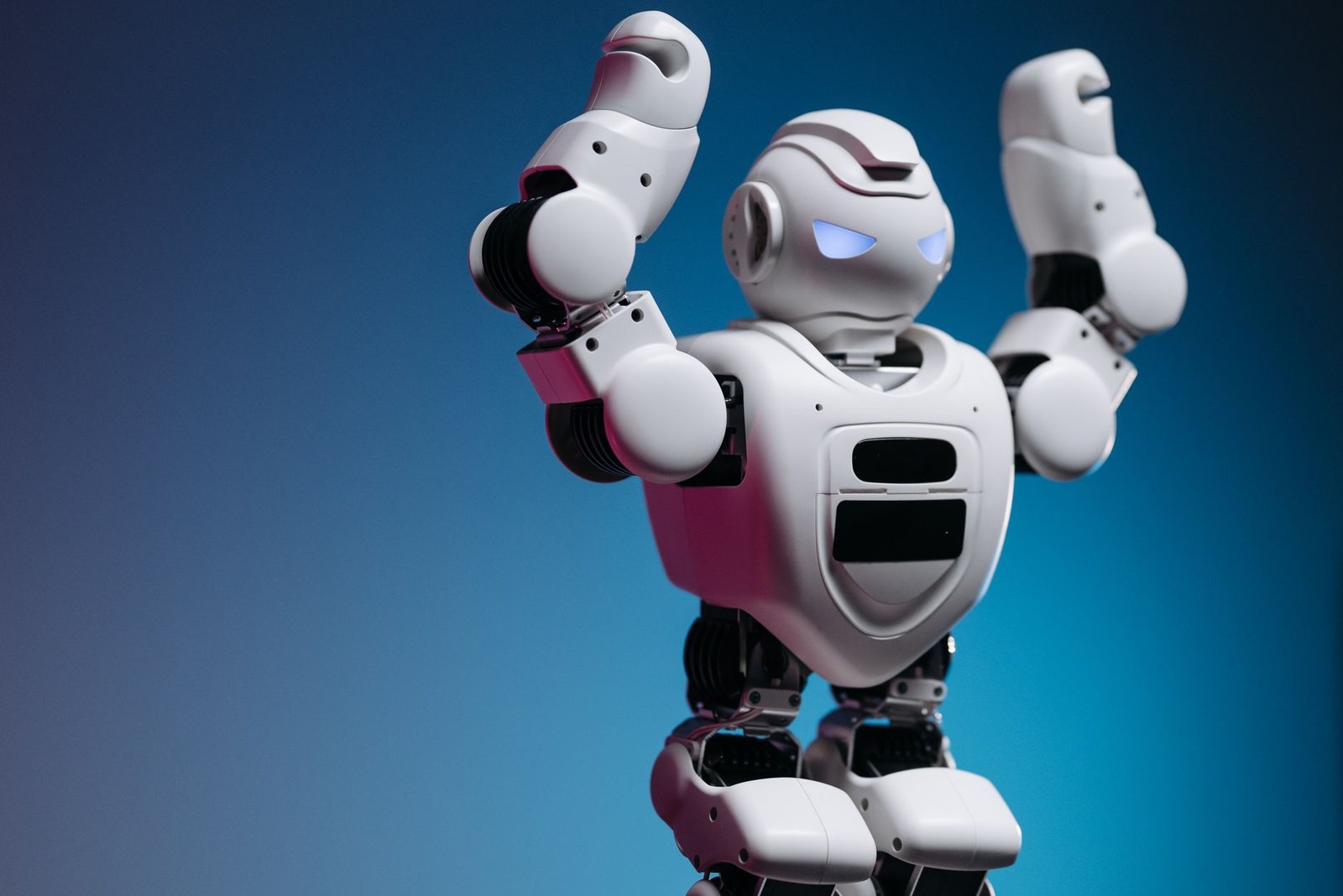
The **humanoid robot Atlas**, developed by Boston Dynamics, stands as a symbol of next-gen automation. Capable of mimicking human movements and performing tasks such as lifting heavy loads, this robot embodies the cutting-edge potential of artificial intelligence and robotic engineering. The deployment of such advanced machines has sparked unease among human workers worried about their roles.
The Human Workforce’s Concerns
Workers at Hyundai’s Ulsan factory began **pushing back** the moment they learned about the Atlas robots. Union leaders argue that while technology can drive efficiency, it shouldn’t come at the cost of human jobs. Their fear? That humanoid robots will replace human labor, gradually but systematically, leading to widespread job loss in the industry.
Understanding the Technology
Humanoid robots like Atlas are programmed with advanced **AI algorithms** that allow them to carry out complex tasks. They operate with sensors and processors to understand their surroundings, which enables them to move and interact in human-like ways. Despite their benefits, this level of automation raises questions about its implications for labor markets.
Striking a Balance
The Hyundai strike highlights the need for a balance between technology and workforce security. One real-world analogy comes from the industrial revolution, where mechanization spurred concerns much like today’s AI technologies. As history shows, new tech can enrich human lives, but it requires thoughtful integration into society.
What’s Next for Negotiations?
Union negotiators and Hyundai management have engaged in 15 rounds of talks, only to find themselves at an impasse. Workers are now staging regular strikes, a bold move echoing their anxiety over unchecked automation. The strike at Hyundai is an early battle in what may become a broader dialogue as industries worldwide consider integrating humanoid robots.
The Future of AI in Industry
So, what is the broader implication of this standoff? It signals a future where **AI and automation** play pivotal roles in business and industry, yet face scrutiny over their societal impacts. Moving forward, companies will need to develop strategies that integrate AI without marginalizing the human workforce.
**As AI technologies continue to evolve**, industries face the challenge of integrating them responsibly, ensuring that the future of work remains a partnership between humans and machines. Addressing these concerns today may pave the way for more balanced, sustainable industrial innovation tomorrow.
