

Imagine a basketball that doesn’t just bounce but also talks and learns. OpenAI is pushing the boundaries of technology and sports by introducing a ChatGPT basketball, sparking interest and curiosity among AI enthusiasts and sports fans alike.
- This venture marks OpenAI’s first entry into consumer hardware.
- The basketball integrates AI to create an interactive sporting experience.
- It aims to blend physical activity with digital intelligence.
- The product demonstrates AI’s potential in transforming everyday objects.
- Such innovations redefine how we perceive and interact with AI.
How does the ChatGPT Basketball Work?
At first glance, the concept of a **smart basketball** might seem more futuristic than feasible. Yet, OpenAI’s latest innovation proves otherwise. **Embedded inside the basketball** is a light-weight AI system powered by ChatGPT. This system allows the ball to engage users with **verbal interactions** right in the midst of dribbling drills or casual play.
AI and Sensor Fusion
The basketball is equipped with tiny sensors that capture data such as motion and orientation. This data feeds into the AI, enabling it to understand what the user is doing with the ball. For instance, if you perform a cross-over or a lay-up, the AI can **analyze and respond** with feedback or encouragement.
Why a Basketball?
The choice of a basketball as a medium for AI might seem odd, but it underscores a critical message: AI need not be confined to screens and digital interfaces. By infusing AI into a basketball, OpenAI is blending **physical movement with intellectual stimulation**, making exercises more engaging and informative. Just as **video games revolutionized home entertainment**, this basketball aims to transform solo practice sessions into interactive experiences.
Engaging Sports Enthusiasts
By using a familiar object like a basketball, OpenAI taps into a broad demographic. This product doesn’t only appeal to tech buffs but also to sports enthusiasts and children, expanding AI’s reach beyond typical tech domains. This endeavor mirrors the tech behind **smart home devices**, demonstrating how AI can become seamlessly integrated into everyday life.
Real-World Applications and Analogies
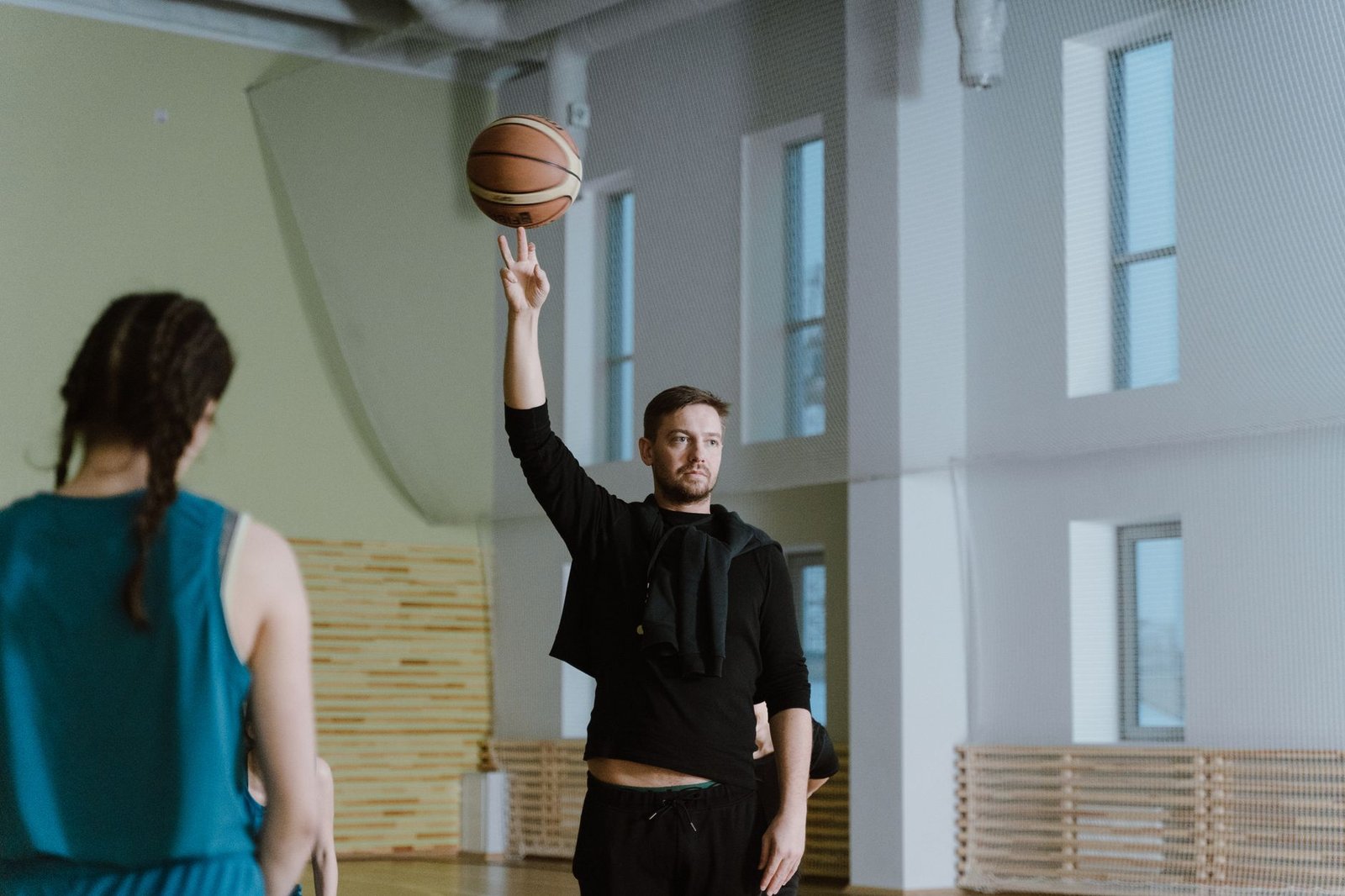
Consider a personal trainer offering tips and encouragement in real-time as you exercise. The **ChatGPT basketball** offers a similar dynamic: it serves as a virtual coach, providing immediate feedback and advice as you play. For instance, the ball could analyze your shooting arc and suggest adjustments, much like a coach would sideline during practice.
The Strategic Impact of OpenAI’s Entry into Consumer Hardware
OpenAI’s move to incorporate AI into physical products signifies a **new phase in AI development**. By stepping into consumer hardware, OpenAI is not just showcasing the versatility of AI technology but also its commitment to making AI more relatable and accessible. This launch is indicative of a trend where AI becomes an integral part of various day-to-day items, potentially revolutionizing how we understand and interact with machines.
Beyond the Court: Future Prospects
OpenAI’s foray into the world of sports equipment suggests a promising horizon where **AI and everyday activities** converge more organically. Imagine AI-driven tools in classrooms, kitchens, or even in personal fitness routines. This basketball could be the precursor to a series of intelligent products that encourage movement while enriching the user experience with **adaptive learning algorithms**.
As AI continues to evolve, the boundary between the digital and physical realms will likely blur further. The ChatGPT basketball hints at a future where artificial intelligence not only resides in the digital sphere but also engages with us in tangible, **dynamic ways**. This aligns with a vision of a world where AI makes every facet of life more interactive, informative, and enjoyable.
