



In today’s digitally connected world, the idea of safeguarding your home without the watchful eyes of cameras might seem paradoxical, yet it’s both possible and effective. With a rise in personal privacy concerns, many homeowners are seeking **alternative security solutions** that protect without recording footage.
Key Takeaways
- Modern security devices offer robust privacy without the need for cameras.
- Motion sensors use different technologies to detect and alert without video surveillance.
- Home security can achieve a balance between privacy and safety.
- Understanding how these devices work is key to making informed choices.
Finding Security Beyond Cameras
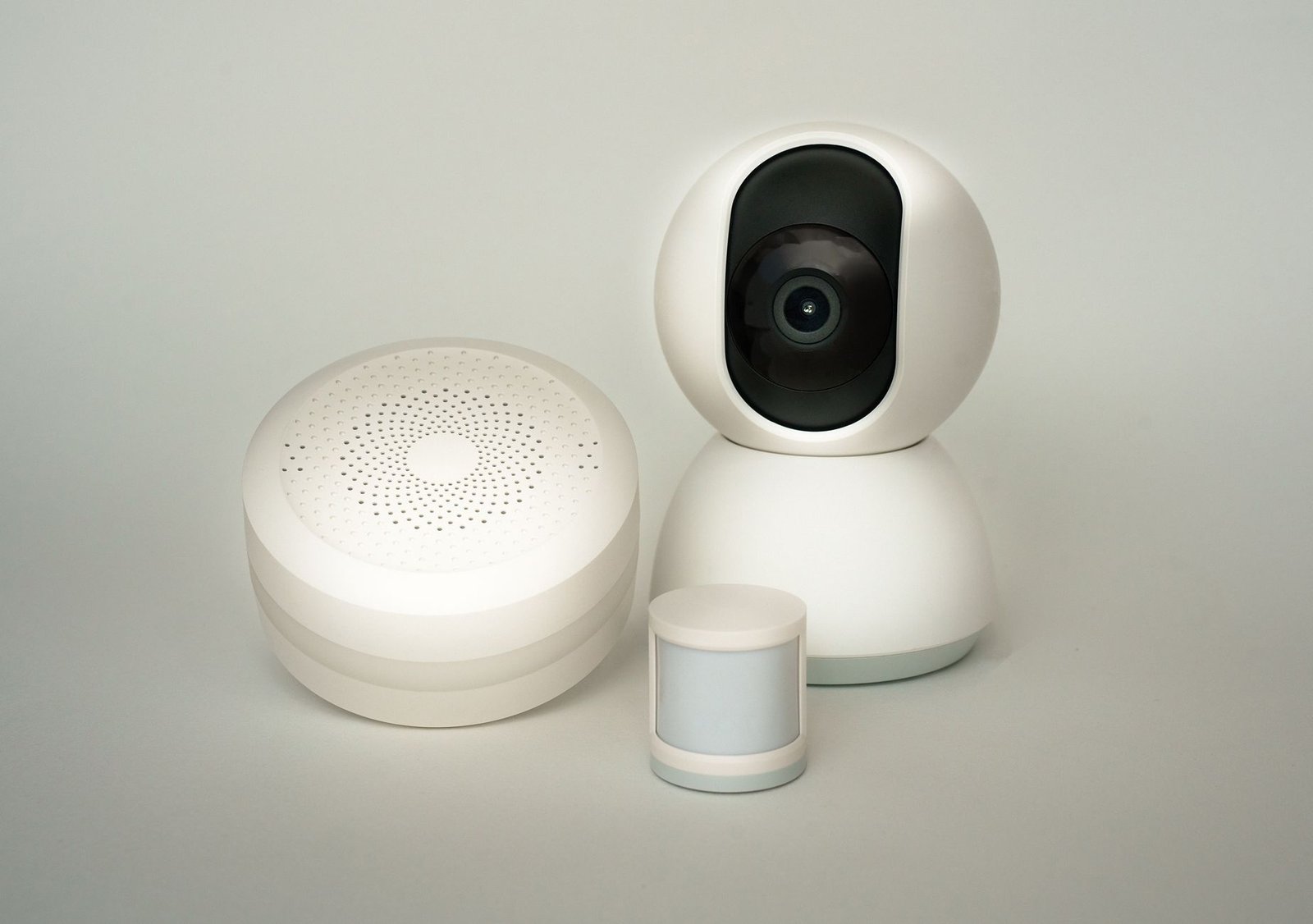
Many people cherish their privacy and prefer not to have cameras constantly observing every move within their cherished spaces. Fortunately, technology offers creative solutions that cater to these preferences without sacrificing security. **Motion sensors** are a primary example of this innovation.
How Do Motion Sensors Work?
At their core, motion sensors detect physical movement in a specified area using various techniques. **Infrared sensors** detect heat changes, identifying movement as humans or objects pass by. **Ultrasonic sensors**, on the other hand, emit sound waves and gauge the returning echo to perceive motion. Much like how bats navigate, these sensors interpret interruptions or shifts in these waves to sense an intruding presence.
The Role of Smart Home Systems
Integrating motion sensors with smart home systems can create a comprehensive yet unobtrusive security solution. These **smart systems** can communicate with motion sensors to trigger alarms, send notifications to your phone, or even interact with lighting systems to deter intruders — all without capturing any video data.
Real-World Example: Imagine walking into a store where the door chime alerts staff without needing a camera. This same principle applies: motion sensors alert you when someone approaches your door, maintaining privacy and control.
Why Choose Security Solutions Without Cameras?
The decision to avoid cameras often stems from privacy concerns or the desire to avoid potential security vulnerabilities. Data breaches and unauthorized access to recorded footage can compromise privacy, leading many to explore **camera-free security options**.
**Cost-effectiveness** is another compelling reason. Advanced camera systems can require costly installations and ongoing maintenance. In contrast, camera-free security devices like motion sensors are generally easier to install and manage economically.
Understanding Limitations and Advantages
No security solution is without its drawbacks. Motion sensors, while excellent for privacy, primarily focus on detecting motion and may not capture complex scenarios as a camera might. However, they excel in environments where discretion and simplicity are prioritized.
The Future of Privacy-Focused Security
The future of home security is evolving with a growing emphasis on privacy and integration within the larger ecosystem of the **Internet of Things (IoT)**. Expect more innovations that not only enhance security but also respect and preserve individual privacy. As AI continues to progress, these systems will become even more intelligent, predicting and responding to security threats in real time, all while ensuring user data remains protected.
In conclusion, the harmonious blend of privacy and security is more than just achievable; it is the way forward for many who value discretion over surveillance. Understanding how these evolving technologies fit into your lifestyle is essential for making informed, future-proof choices.
