


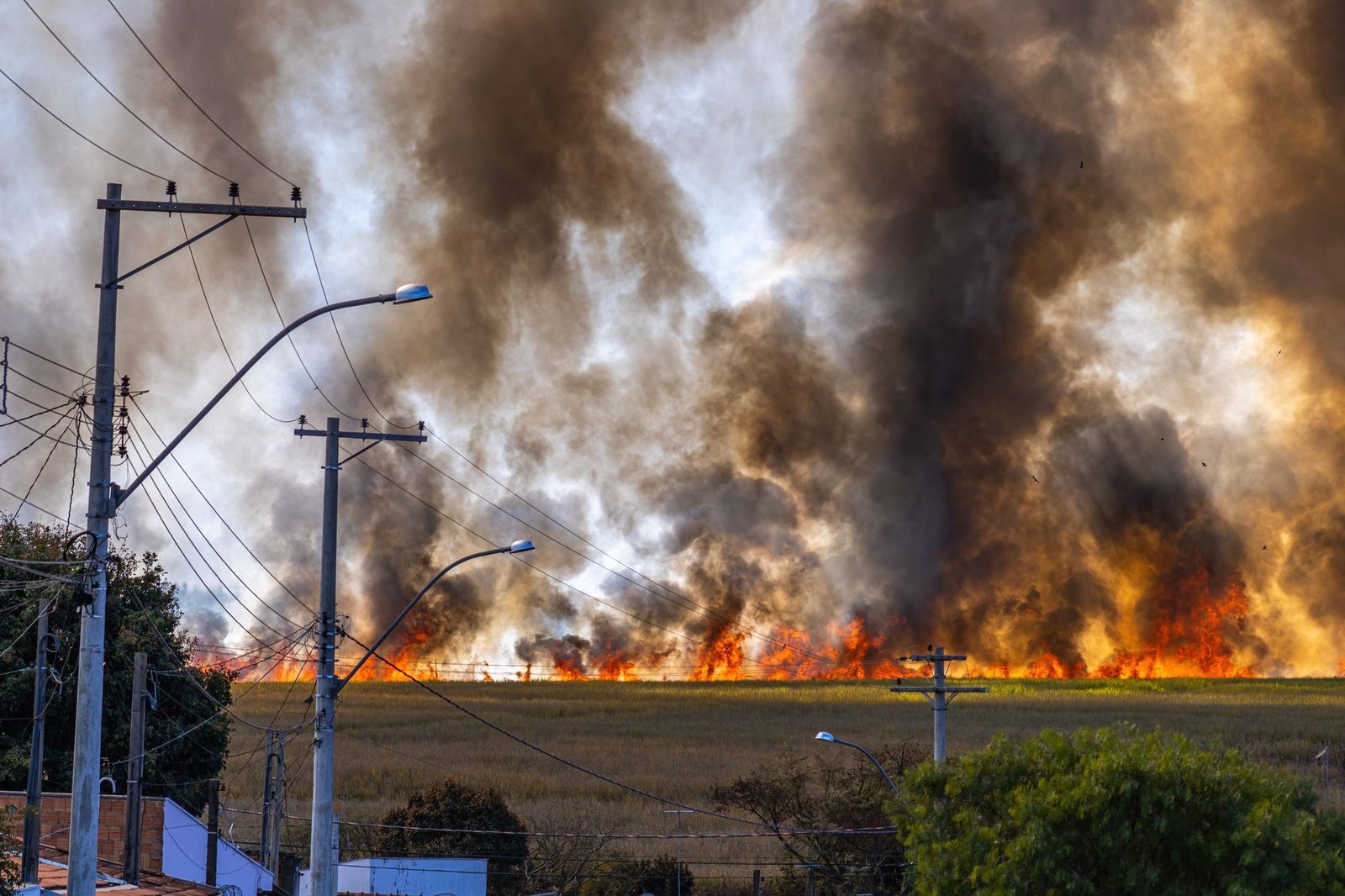
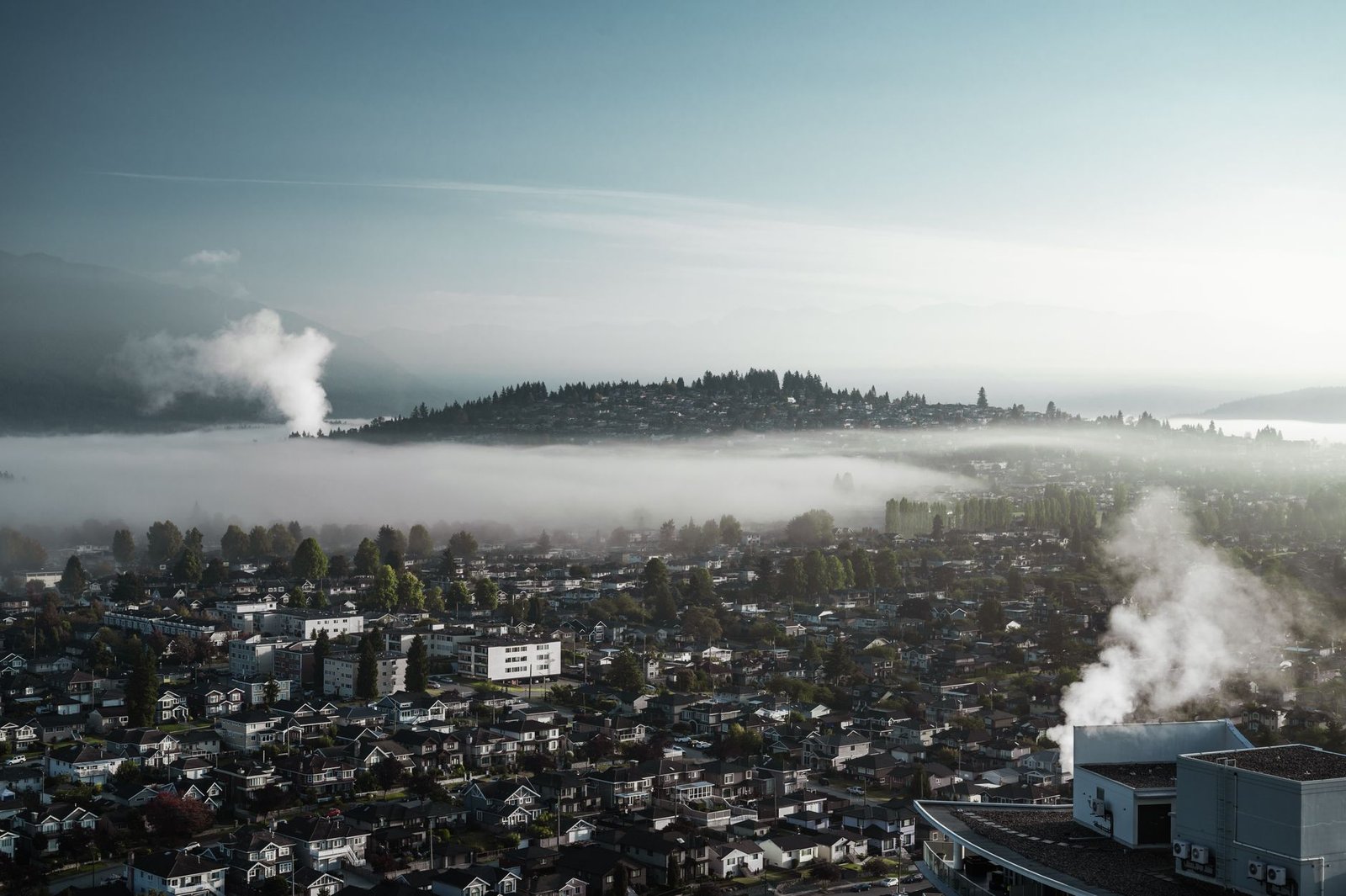
Imagine stepping out to a world where the skyline of your city is hidden under a mysterious haze, creating a surreal scene that feels more like an apocalyptic movie than real life. As smoke from over 120 rampant Canadian wildfires blankets American cities, from Chicago to Washington, DC, nature’s monumental force once again asserts its unpredictable authority. But what if artificial intelligence could help humanity beat this recurring challenge?
Key Takeaways:
- The smoke from Canadian wildfires is significantly impacting air quality across several US cities.
- Understanding **air quality monitoring** through AI can aid in minimizing health risks.
- AI-driven **predictive modeling** has the potential to forecast smoke patterns more accurately.
- Innovation in AI technology can offer real-time **pollution data**, helping individuals make safer choices.
- The future might hold AI solutions capable of directly mitigating environmental disasters.
The Impact on Air Quality
With the gradual spill of wildfire smoke into cityscapes, air quality reduction becomes an immediate concern. The resultant atmosphere is not just an eerie panorama; it carries health implications that affect millions. When the air becomes thick with **particulate matter**—tiny particles not visible to the naked eye—respiratory problems and other health risks increase. This fine dust infiltrates our environment and bodies, posing a serious public health challenge that transcends borders.
Understanding AI’s Role in Monitoring Air Quality
Artificial intelligence, with its profound data processing capabilities, stands ready to tackle such challenges by transforming how we monitor air quality. By processing real-time data from a network of sensors, AI systems can assess pollution levels across wide spatial areas with remarkable speed and precision. These **smart systems** identify patterns in pollution data that might otherwise go unnoticed, offering a multidimensional view of environmental changes.
AI-Powered Predictive Modeling
The power of AI shines in its ability to **predict future scenarios**. By analyzing historical data along with current meteorological conditions, AI models can forecast how and where the smoke will travel next. This involves complex algorithms processing vast datasets to output predictions that help local authorities and the public make informed decisions.
Technology Bringing Real-Time Updates
The real-world analogy here can be likened to a **weather app** on your phone that not only predicts rain but also alerts you to avoid particulates in the air. This same principle, applied to wildfire smoke, means people can be better prepared to protect themselves and their families.
Looking Towards the Future of AI and Environmental Protection
The current scenario underscores a critical point: AI is not just for futuristic fantasies or enterprise solutions; it’s a tool for safeguarding public health now. As AI evolves, it offers promising pathways to develop innovative solutions for **environmental protection**. This could include smarter, quicker emergency response systems, improved smoke dispersion models, or even robotic interventions to combat wildfires themselves.
However, this transformation isn’t without challenges. Ethical considerations, access to technology in less affluent regions, and the inherent unpredictability of natural ecosystems all need to be weighed thoughtfully. Even so, as we move forward, the integration of AI in combating environmental issues holds exciting opportunities.
As we envision a future intricately tied with technological advancement, one thing becomes clear: **AI’s potential to transform environmental management** is vast. This heralds an era where timely data-driven decisions keep cities safe and populations healthier, adding a layer of resilience to our urban ecosystems in the face of natural disasters.
