




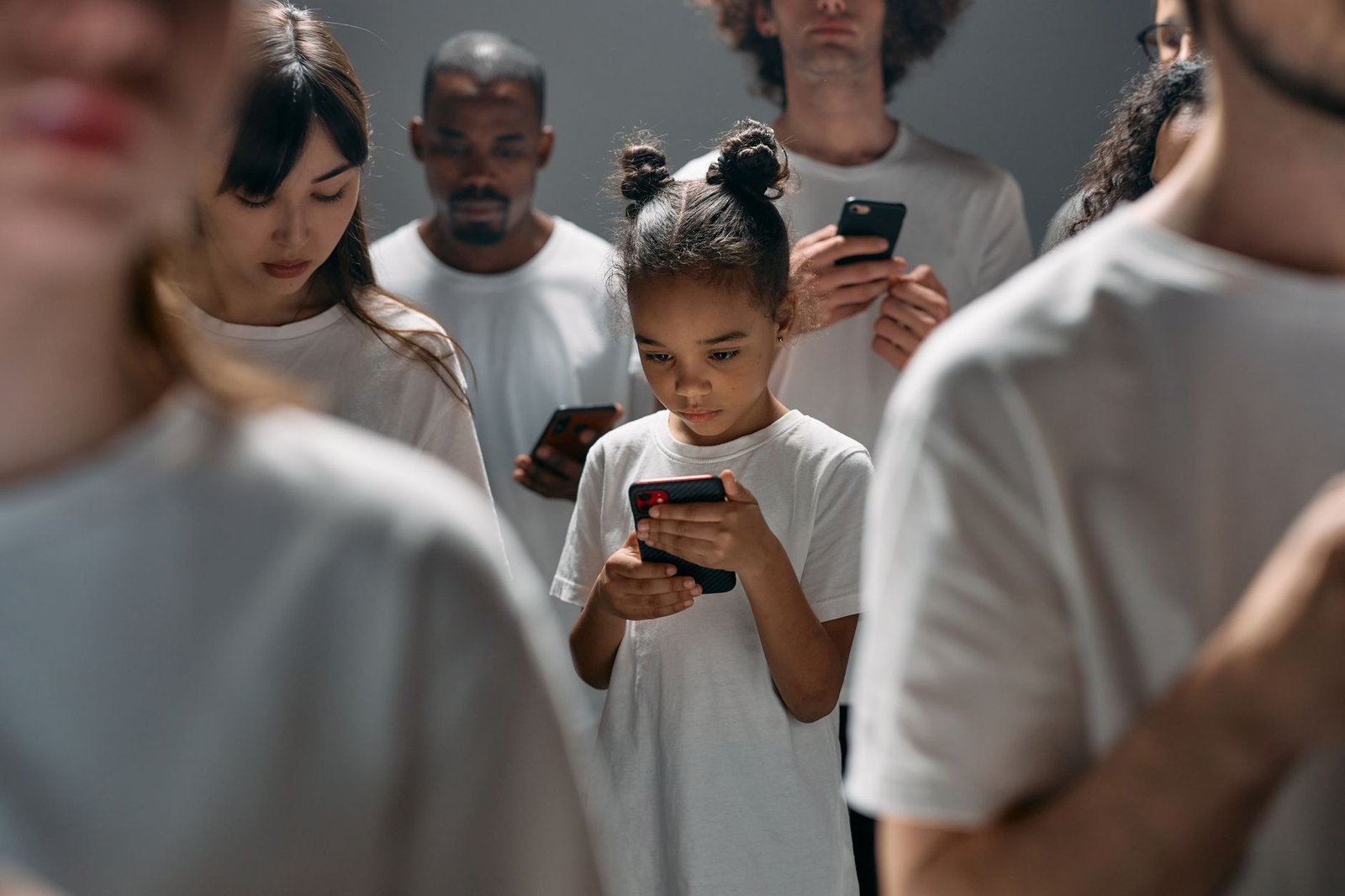
The conversation around limiting children’s access to social media often zeroes in on the dangers, but is a ban the best solution? With risks acknowledged, a digital exile might not resolve the underlying issues.
Key Takeaways
- Banning social media for kids could neglect the need for digital literacy.
- Social media offers learning opportunities when used responsibly.
- Complex challenges require balanced approaches, not sweeping bans.
- Parents and educators play a crucial role in guiding children’s online experiences.
Understanding the Risks and Rewards
There’s no doubt that allowing children onto social media platforms can expose them to various challenges, including cyberbullying, misinformation, and privacy risks. However, these platforms are also digital playgrounds where kids learn how to interact with the world, develop social skills, and even tap into educational content. Like giving a child a bike to ride, we don’t lock them away from it forever because they might fall—we teach them how to ride safely.
Technological Literacy is Essential
As the world becomes increasingly digitized, technological literacy will be as crucial as traditional academic skills. We often overlook that interacting with social media is part of this skill set. Instead of outright banning, fostering a strong ability to navigate digital spaces safely and responsibly could be more beneficial. This way, children can grow into adults who are savvy digital citizens.
The Real-World Impact: An Analogy
Imagine forbidding children from ever entering a kitchen due to sharp knives and hot stoves. Certainly, we’d prevent injuries, but we’d also raise a generation of individuals unfamiliar with vital cooking skills. Similarly, an outright social media ban might safeguard them from immediate internet threats but leaves them unprepared to face these challenges independently when they inevitably do enter those digital spaces.
Educational Opportunities in Social Media
Within the potential hazards lie untapped educational opportunities. Entire courses and communities dedicated to particular interests provide an exciting venue for young minds to explore and learn. Whether it’s honing a hobby, enhancing language skills, or participating in global discourse, social media can serve as a classroom without walls.
A Collaborative Approach
Real protection involves a collaborative effort between parents, educators, and tech companies. Monitoring usage, implementing family-friendly privacy settings, and having open discussions about online behavior are practical steps. Schools can also integrate digital literacy into their curriculums, teaching both the advantages and the potential risks of technology use.
Regulation vs. Education
The debate often juxtaposes regulation against education. While regulations can restrict access, education empowers children to make informed choices. Providing guidance on engaging critically with content, recognizing misinformation, and understanding the ethical implications of online interactions equips them for a sophisticated digital future.
Looking Ahead: The Role of AI
As AI continues to evolve, it offers new possibilities for enhancing safety on social media platforms. AI-driven tools could automatically filter harmful content or deliver personalized educational experiences tailored to a child’s learning style. This forward-thinking integration has the potential to revolutionize how young users engage with technology, blending safety with educational enrichment.
