



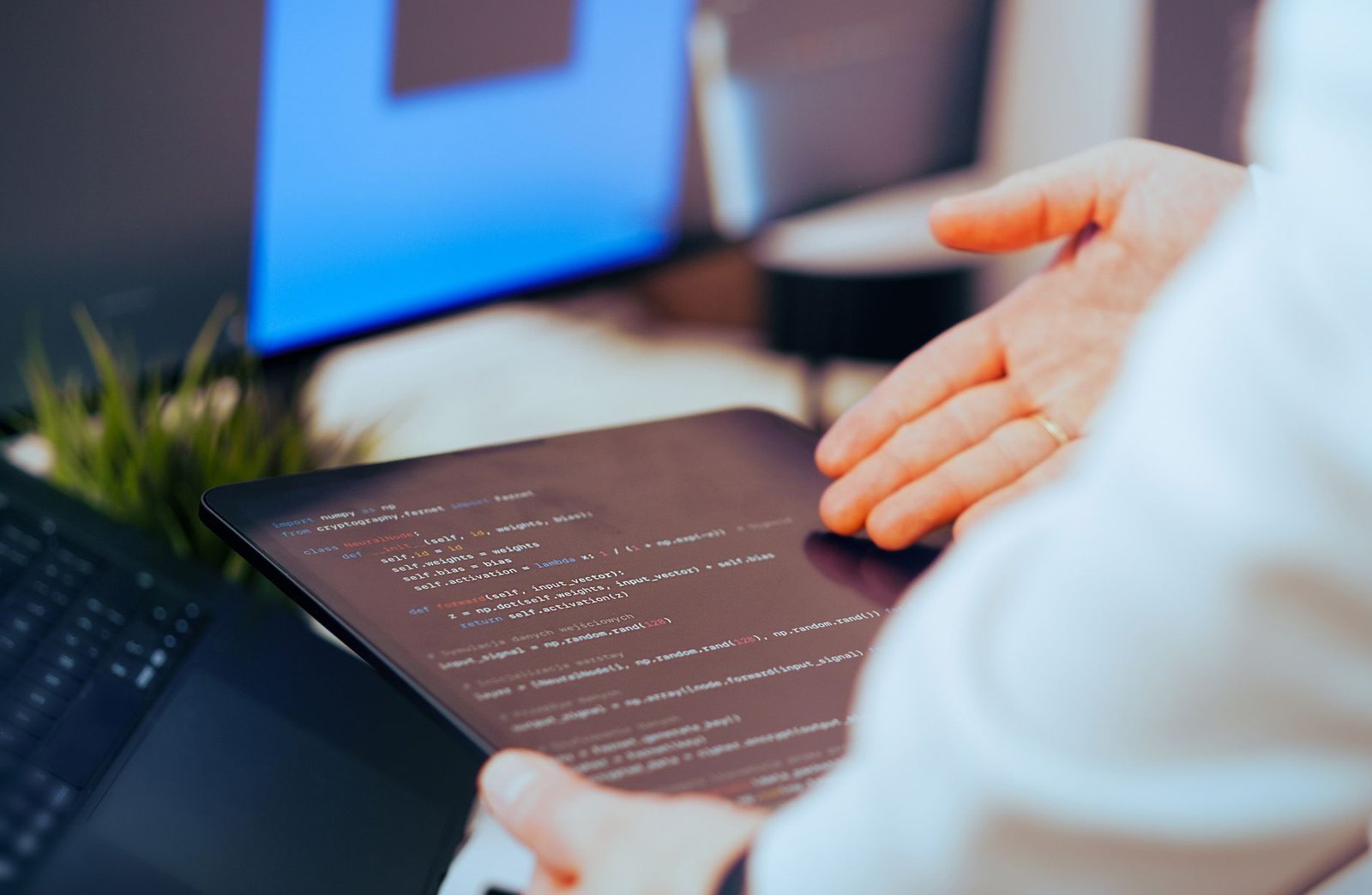
Imagine if you could get actionable feedback on your code almost instantaneously. This is the new reality for developers at Ramp, thanks to Codex powered by the latest GPT-5.5. Dive into the details of how this cutting-edge AI is transforming code reviews from a tedious task into an exhilarating exploration of rapid improvement.
Key Takeaways
- Ramp engineers utilize Codex to enhance the speed and quality of their code reviews.
- AI accelerates feedback delivery from hours to mere minutes.
- Codex, with GPT-5.5, helps identify potential bugs and suggests improvements efficiently.
- This synergy between AI and engineers elevates overall productivity and innovation.
- The future of AI-assisted coding promises even more profound impacts on software development.
Empowering Developers with AI Assistance
The traditional process of code reviewing often involves team members meticulously combing through code, looking for errors, bugs, or improvements. This process can be time-consuming and subject to human error. However, Ramp’s integration of Codex, based on the advanced capabilities of GPT-5.5, has dramatically changed the rules of the game.
An Overview of Codex and GPT-5.5
Codex is an AI model that specializes in understanding and generating code. It builds on the foundation of GPT-5.5, an advanced version of OpenAI’s Generative Pre-trained Transformer, designed for processing complex language tasks. By leveraging this technology, Codex can interpret code syntax, comprehend its function, and evaluate potential errors much like a seasoned developer.
Consider it akin to having a highly skilled assistant who not only follows your instructions but anticipates errors and suggests nuanced enhancements before they become problems. This level of interaction fosters an efficient workflow where developers and AI collaborate seamlessly.
How Codex Revolutionizes Code Review at Ramp
By utilizing the computational strengths of Codex, Ramp engineers can sidestep bottlenecks created by traditional code review methods. The AI is capable of analyzing the intricacies of the code structure and quickly identifying areas that might benefit from optimization.
Reducing Review Time from Hours to Minutes
Imagine waiting for a colleague to return from lunch, take in your work, and then get back to you with potentially critical feedback. Now, replace this scenario with a system where feedback loops shrink to a fraction of that time, enabling developers to pivot and iterate at an unprecedented pace.
Real-World Example: A Manufacturing Process
Think of this AI-enhanced process like a smart factory assembly line. In a traditional setting, each part of a product must wait its turn to be inspected before assembly. With Codex, every line of code is analyzed in real-time, much like an intelligent conveyor belt that alerts workers to inconsistencies immediately, thereby enhancing productivity and precision.
Collaboration and Innovation: The Power Duo
The synergy between Ramp’s engineers and Codex fosters a cycle of continuous innovation. As AI removes rote tasks from human hands, engineers are free to apply creative and strategic thinking to complex problems, opening the door to ambitious projects and breakthrough technologies.
The real beauty lies in this balance—where AI doesn’t replace human intuition but enhances it. Developers bring creativity and understanding of broader project goals, while Codex manages the technical weaving and unwinding of their ideas into effective code.
Looking Ahead: The Future of AI in Software Development
The collaboration at Ramp offers a glimpse into a future where AI will become an integral part of the developer toolkit. This paradigm shift signals broader implications beyond just code reviews. As AI continues to evolve, we can anticipate a world where the integration of machine learning in all facets of development revolutionizes not just productivity, but also the sophistication of software solutions available to us all.
In conclusion, the implementation of Codex at Ramp is more than a mere iteration of technology; it’s a fundamental shift in how software development might be approached across industries. As these tools mature, they’ll pave the way for more creative human contributions in the tech world, ushering in an exciting era of collaboration between man and machine.
