



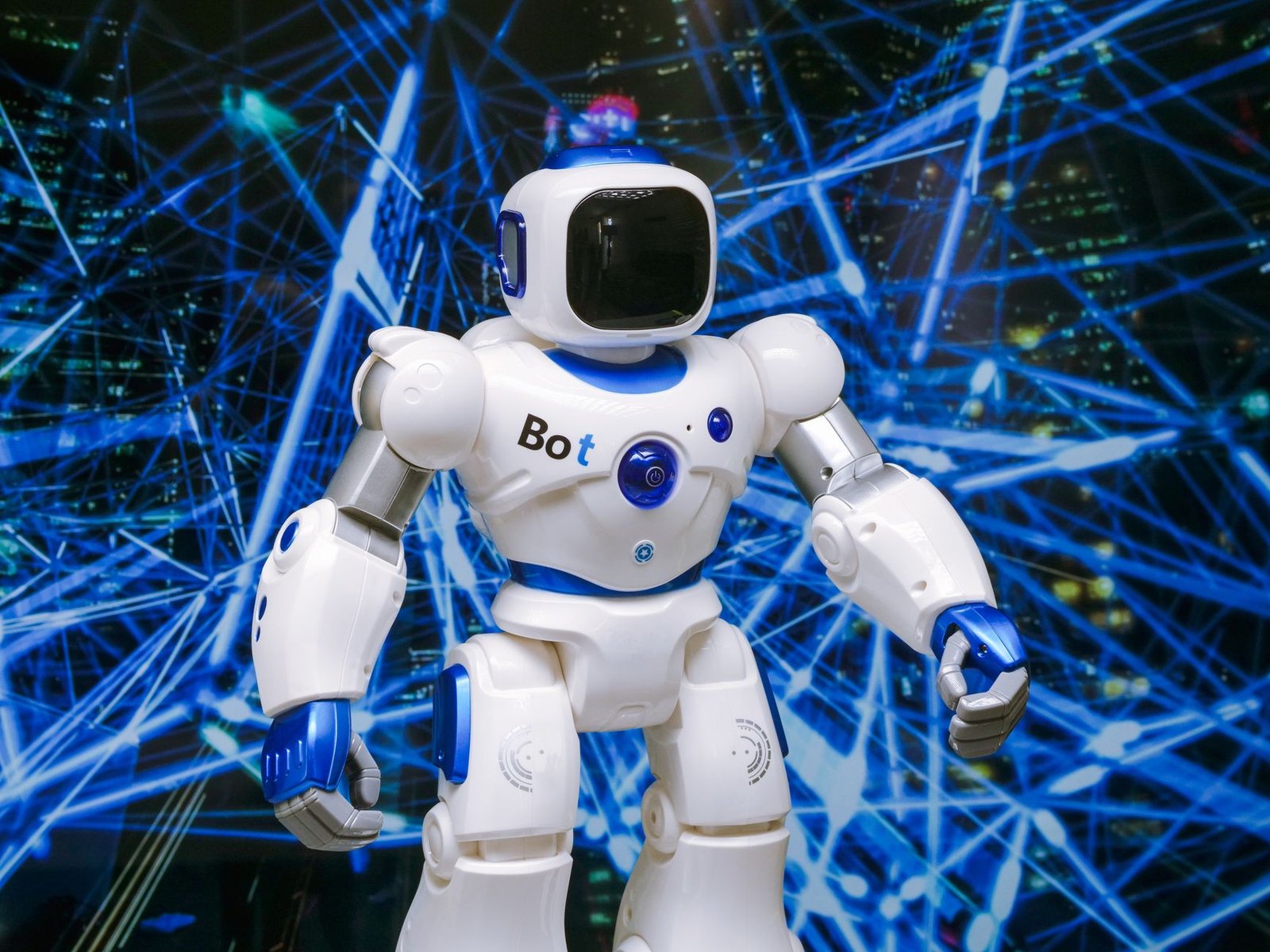
Imagine walking into an art museum where each painting seems to know exactly what you’d enjoy next—where the experience feels personalized, almost as if the galleries were curated just for you. Welcome to the future of art museums, reshaped by data-driven insights and artificial intelligence.
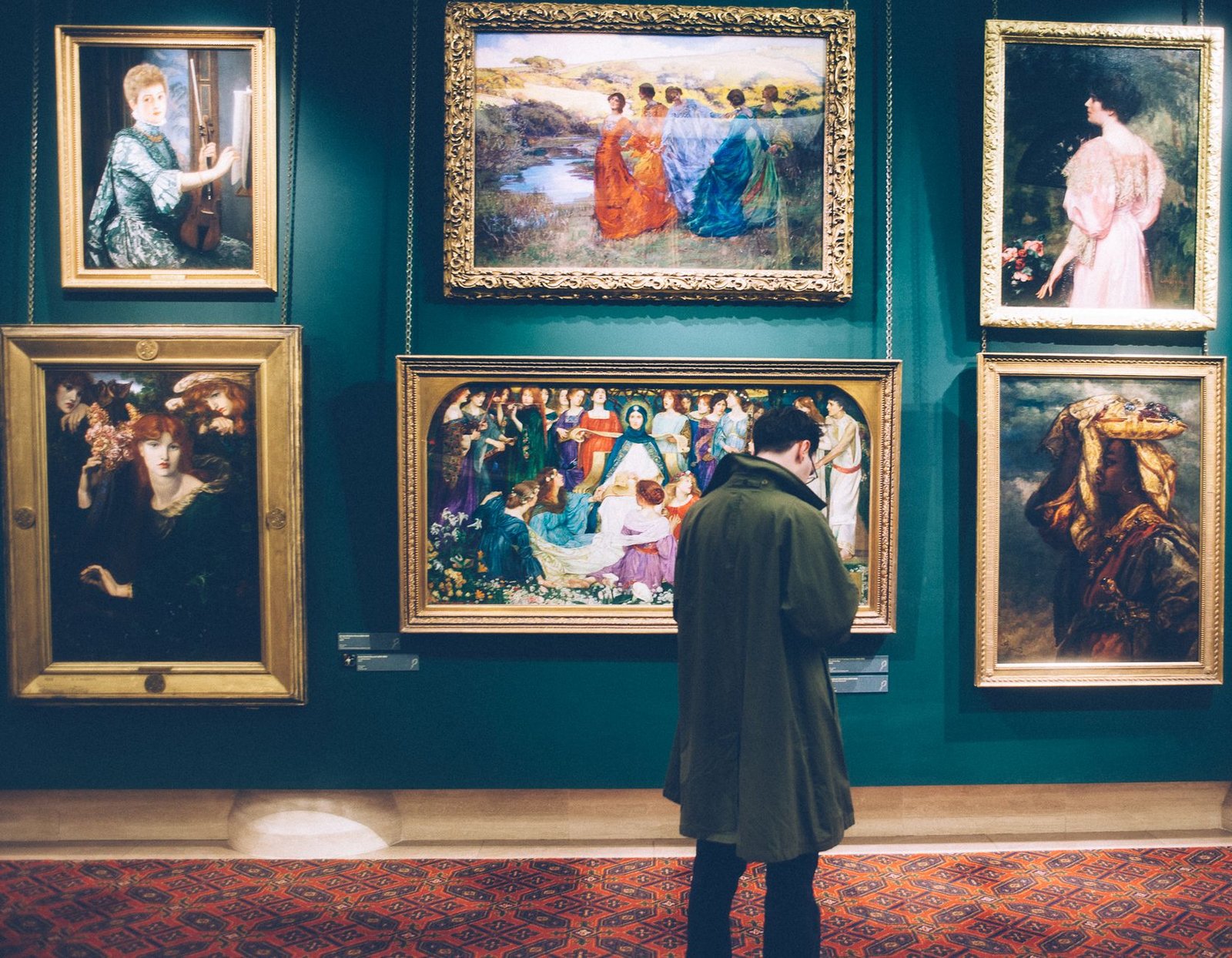
- Art museums are leveraging **AI and data analytics** to enhance visitor experiences.
- Visitors engage more deeply with art, as museum interactions become **more tailored and personalized**.
- **AI technologies** can suggest art based on visitor preferences and past interactions.
- Real-world examples demonstrate how data can **transform the traditional museum visit**.
- The integration of AI in museums signals a new direction for **cultural education and accessibility**.
Art and AI: A Perfect Match?
Historically, art appreciation was an inherently physical and often static experience. Museums have long been sanctuaries of antiquity and quiet reflection, where visitors passively absorb culture and history. But now, **AI** is changing how we interact with art. Using **data analytics**, museums can learn from visitors in real-time and adapt their offerings to meet individual preferences. This dynamic interaction invites a deeper, more personalized connection between art and its audience.
Demystifying Data-Driven Art Experiences
At the core of this transformation is the concept of **machine learning**. This branch of AI involves training a system to recognize patterns and make decisions based on data. For museums, this means anything from gathering data on visitor flow through galleries to analyzing which artworks capture the most attention. Such insights allow curators to refine exhibits in ways that might surprise and delight their guests.
Consider this analogy: imagine a chessboard where each move is informed by a strategy that updates with every round. Similarly, a museum using AI doesn’t just set up an exhibit and leave it—staff can adjust and optimize based on how people engage. It’s like having a bespoke cultural guide on your journey through the art world.
The Tech Behind Enhanced Museum Visits
Many institutions are already employing **beacon technology**—a system of small wireless devices that communicate with visitors’ smartphones through Bluetooth. When you roam through different sections of the museum, these beacons can direct you to works that align with your personal tastes, perhaps drawn from your social media activity or previous museum visits. This makes for an interactive experience—a digital dialogue between you and the art.
For instance, if a visitor like Giovanni Kanter—an enthusiastic art aficionado influenced by family artist legacies—enters a museum, the system might recommend pieces related to his favorite art period or genre, such as surrealism. His journey becomes uniquely his, fostering a deeper connection and understanding of the art.
The Future Muse: AI as Your Art Companion
Such technology not only adds value to the visitor experience but also democratizes access to art. With AI, museums can extend their reach, attracting younger, technology-savvy audiences who engage through digital cocoons yet crave authentic cultural experiences. Envision a world where anyone, regardless of their background, can access tailored art journeys, deepening their appreciation and understanding of global and historical art collections.
In the coming years, as AI continues to evolve, we might anticipate even more innovative applications in cultural spaces. Imagine virtual reality (VR) vistas that transport us to ancient civilizations or augmented reality (AR) enhancements that offer in-depth artist commentaries as you view their masterpieces. What emerges is a vision of art not just as a static display of human creativity but a continuously evolving conversation, facilitated by technology, between creators and appreciators across generations and geographies.
