



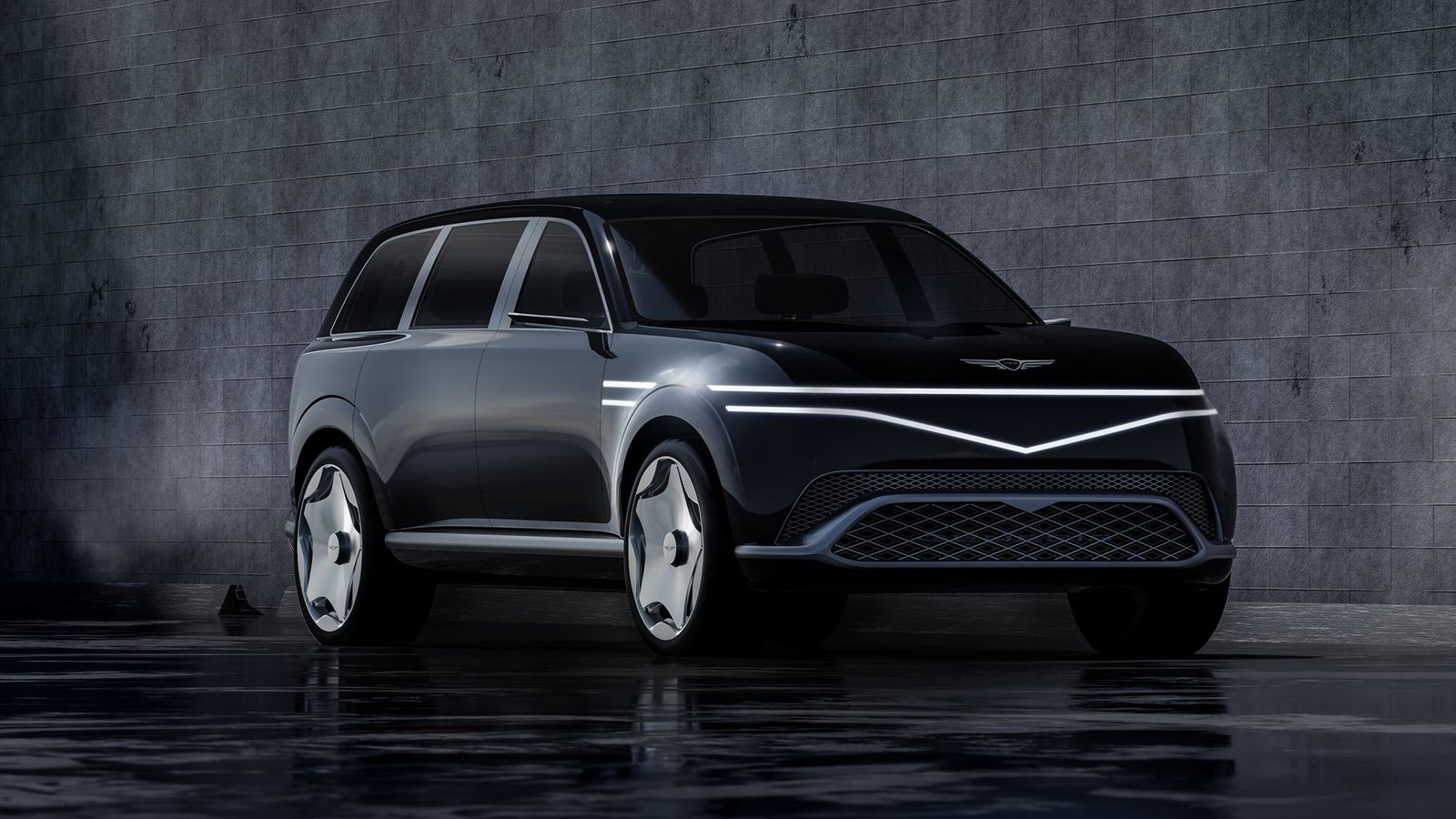
The automotive industry is abuzz, and for good reason. Audi has unveiled the 2027 Q9, a full-size SUV engineered with the U.S. market in mind. This significant release marks a pivotal moment for Audi as it aims to compete with heavyweights in the American SUV sector like the Cadillac Escalade. Intrigued yet? Let’s dive deep into the details of this luxury behemoth.
Key Takeaways
- Audi introduces the Q9 as its flagship SUV, tailored for the U.S. market.
- The Q9 offers a full-size option with generous third-row seating.
- Designed with a mix of elegance and substantial size, it competes with luxury models like the Mercedes-Benz GLS and BMW X7.
- Audi’s Q9 offsets the absence of plans to replace the A8 sedan.
- Its design blends classic station wagon vibes with a modern, robust structure.
An SUV Crafted for American Roads
The Genesis of the Q9 isn’t just about size; it’s about understanding what the American driver seeks in an SUV. With dimensions that command attention—209 inches long, 79.2 inches wide, and 71.4 inches tall—its presence is undeniably impactful. In a landscape previously dominated by the likes of the Escalade, Audi’s Q9 enters as a calculated contender.
The Interior: Space and Comfort
The Q9’s 123.5-inch wheelbase ensures not just length but also a newfound spaciousness in the third row, surpassing its sibling, the Q7. While European models often offer compact third-row seating ideal for children or short trips, the Q9 flips this notion. By expanding this area, Audi targets families and groups who prioritize comfort on long drives, enhancing overall practicality and appeal.
Design: A Blend of Elegance and Brawn
From a visual perspective, the Q9 softens the imposing nature typical of large SUVs. Curved body panels and subtle creases bring a refined aesthetic that stands in contrast to the sharp, angular lines seen in many of its competitors. Imagine standing next to a work of art; its presence is bold yet calming. In automotive terms, the Q9 embraces the “Father Dougal principle,” where its big wheels cleverly balance out its frame, offering a semblance of compactness amid its commanding size.
What Sets the Q9 Apart?
While the Q9 joins a competitive segment, it’s not just another SUV; it’s Audi’s statement piece. Positioned as the brand’s new flagship experience, it represents a conscious pivot towards SUVs, particularly significant for a brand yet to announce plans for an A8 sedan successor.
This pivot reflects broader trends in the automotive industry, where consumer preferences are increasingly veering away from sedans toward SUVs. The Q9 is not merely filling a gap but may reconfigure Audi’s future direction, potentially influencing design philosophies and market strategies across all markets.
A Real-World Analogy
To put it into perspective, consider the rise of smartphones replacing classic cell phones. Just as these devices integrated diverse functionalities into a single unit, the Q9 merges luxury, size, and functionality into one impressive package—addressing urban drivers’ desire for comfort on long journeys without sacrificing elegance and style.
The Road Ahead: Transforming AI in Automotive
The Q9 isn’t just about size or optics; it could also represent larger strides in integrating artificial intelligence (AI) into daily driving experiences. Audi’s constant push for technology will likely spur innovations in how AI assists drivers, from enhanced autopilot features to smart navigation systems that transform driving into a safer and more engaging experience.
As we gaze into the future, the introduction of vehicles like the Q9 underscores a significant shift in how we perceive mobility. Whether you’re navigating vast cityscapes or enjoying open highways, SUVs like the Q9 show us that the fusion of technology and comfort is not only possible but inevitable. This momentum could very well be the spark that ignites the next innovations in the automotive world.
