


Imagine pouring years of sweat, creativity, and passion into your art, only to find it cannibalized by a machine. As AI technology grows, so does controversy around its use in creative fields, sparking legal battles across the globe.
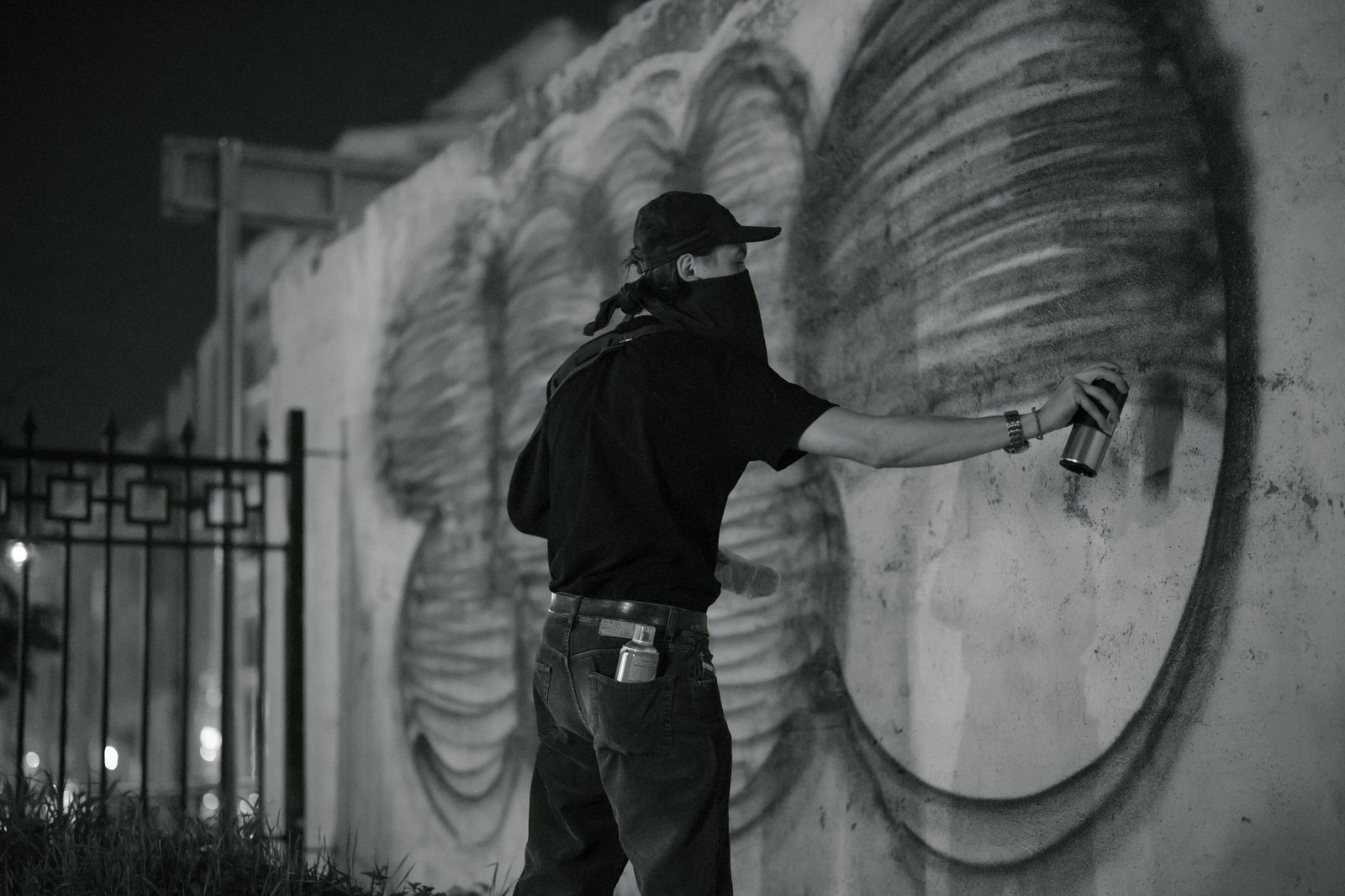
- Artists are fighting back against AI systems using their work without permission.
- Legal actions are starting to shape how AI can interact with creative content.
- Public datasets used for AI training often include artists’ works without consent.
- Understanding of AI and copyright law is crucial for both creators and tech developers.
- The outcome of current legal cases could set precedents for future AI and creative works.
The Creative Clash: Artists Versus AI
In a digital era where creative content is just a click away, artists have discovered their work featured in AI training datasets without their go-ahead. This practice, referred to as **data scraping**, involves extracting vast amounts of online content to refine machine learning algorithms. Yet, many artists view this as a violation of their intellectual property rights, prompting a wave of lawsuits.
The Legal Battle Begins
Kirk Wallace Johnson, a writer who found his works stealthily consumed by AI, captures the outrage felt by numerous creators. From **writers to musicians**, many are rallying against tech giants, challenging them for appropriately utilizing copyrighted works. Artists like Johnson argue that AI models get smarter by feeding on countless hours of human artistry, often without acknowledgment or compensation.
Understanding AI and Copyright Concerns
So what exactly is at stake? When AI systems are trained on vast datasets, these collections can include copyrighted materials from books, songs, and artworks. AI developers source such content to enhance their models’ capabilities in generating human-like text, music compositions, or visual art. However, unless clear usage rights are established, it enters a murky legal gray area.
Copyright Law Meets Machine Learning
The intersection of AI and copyright law is complex yet crucial. For instance, when an AI tool generates an artwork reminiscent of an existing artist’s style, does the original artist deserve compensation or attribution? Courts are grappling with these questions, and legal rulings could redefine these boundaries.
Real-World Example: A Taste of AI Creativity
Consider an AI composing music. If the dataset includes tracks from The Beatles, and the AI produces a new song sounding eerily familiar, who holds the song rights? Imagine a **potluck gathering** where each dish is a carefully crafted recipe of a famous chef. If an attendee recreates these without credit or consent, it embodies the artists’ current predicament with AI data scraping.
Looking to the Horizon
The future promises both challenges and opportunities as legal frameworks catch up with technological progress. As more artists step forward, the dialogue between the creative and tech worlds is likely to evolve significantly. **AI developers** might need to forge new paths, ensuring fair compensation and consent from artists. This shift could redefine artistic creation in the age of AI, fostering both innovation and respect for human ingenuity.
