



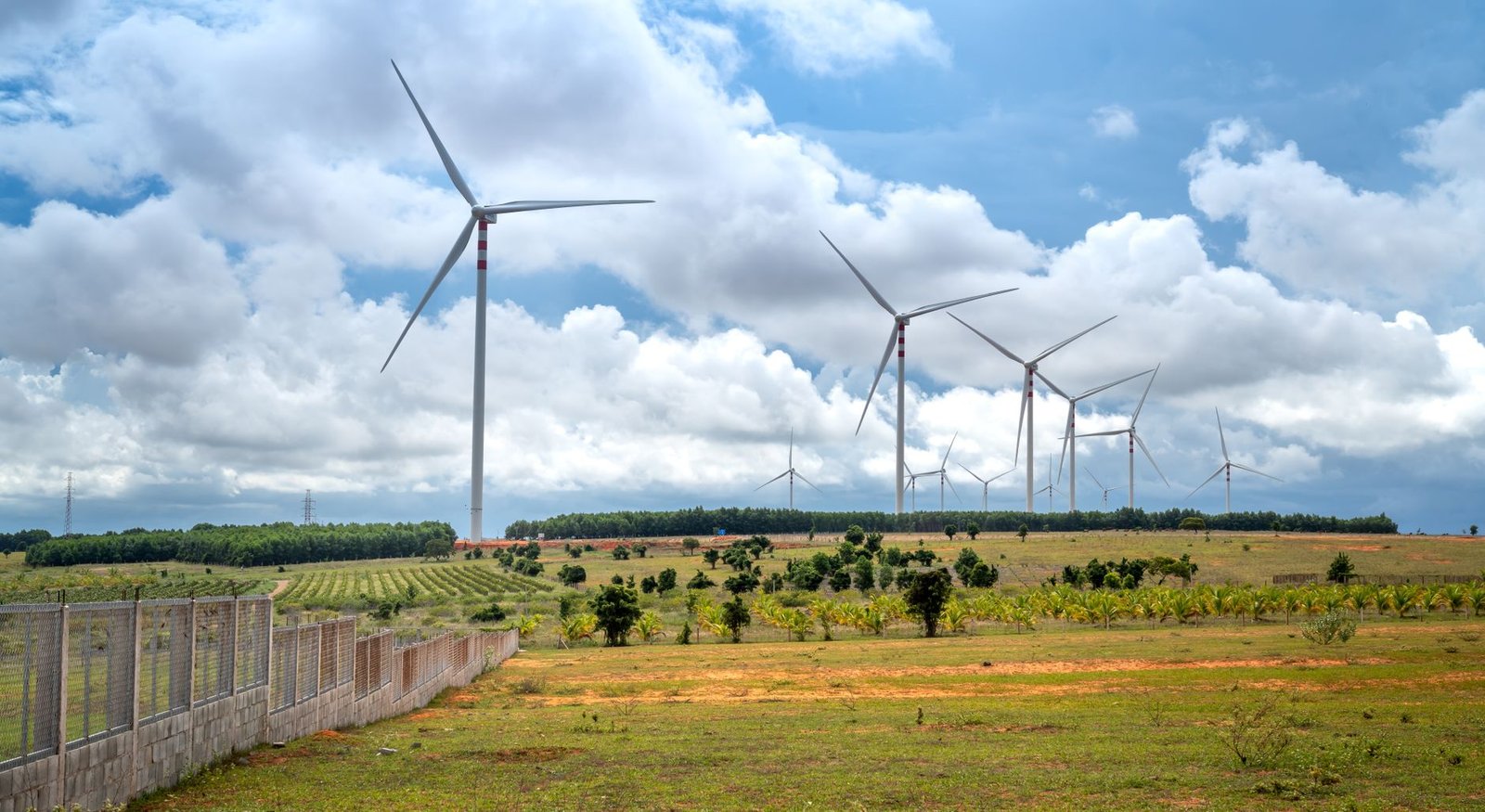
While wind power gains momentum worldwide as a clean energy solution, some political forces continue to resist its widespread adoption. A recent court decision in the United States underscores these tensions. The US District Court in Oregon has mandated that the Department of Defense (DoD) re-engage in the approval process for new wind projects, a significant move toward reviving the stalled wind energy sector.

- The US court ruled against the DoD’s attempt to halt wind projects over security claims.
- The decision affects both offshore and onshore wind projects in the US.
- The DoD’s national security rationale centered on radar interference from wind turbines.
- This judgment could potentially reignite interest and investment in wind technology.
- The future of AI in managing wind energy grids looks promising with new advancements.
The Legal Battle Over Wind Energy
In August 2025, the US found itself at a crossroads when the Department of Defense withdrew from the standard wind project assessment process. This procedure is crucial, as it ensures that new wind farms do not interfere with military radar systems. Imagine the DoD’s radar as a sensitive eardrum detecting faint army footsteps in the distance. If the clamor of wind turbines drowns these signals, it could spell trouble for national security. However, the court found that the DoD’s reasons for halting participation weren’t legally justified.
Radar Interference: A Question of National Security
The Trump administration previously used **radar interference** as a justification for stalling wind projects. The argument posited that the blades of wind turbines could distort radar signals, posing potential threats through false positives or missed targets. However, this claim failed to hold up under judicial scrutiny. Judges even reviewed classified reports presented by the DoD, which were intended to substantiate these concerns. Despite these efforts, legal doors leading to a blanket prohibition on wind energy remained closed.
Tactics Used in the Wind War
Beyond legal claims, the administration adopted various strategies to deter wind development. Notably, a cash-incentive scheme was in place to dissuade companies from proceeding with wind projects, essentially paying them to hold back on green innovations. Such trials weren’t just limited to offshore endeavors; onshore efforts suffered similarly. The legally mandated process, which involved evaluating and adjusting wind farm plans for radar compatibility, was effectively ignored by the DoD, further stalling progress.
Resurrecting Wind Development
With the recent court judgment, there’s renewed hope for the **American wind energy sector**. The decision has reset expectations and responsibilities, seeking cooperation between the DoD and developers. By returning to the negotiation table, both parties can ensure that security needs and environmental goals coexist. This is akin to balancing an intricate equation where both sides need to trust and communicate for a sustainable result.
The Synergy Between AI and Wind Energy
As the legal dust settles, the stage is set for AI to play a transformative role in wind energy innovation. With AI, **wind farms** can be optimized for efficiency and minimal interference with radar systems. Imagine an intelligent conductor orchestrating a symphony, tuning each instrument to match the perfect pitch. Similarly, AI can analyze and adjust turbine operations in real-time, maximizing energy production while maintaining military security.
This advancement hints at a future where AI not only aids in operational efficiencies but also acts as a mediator between industry needs and security protocols. Such technologies promise a groundbreaking shift, ensuring that clean energy doesn’t compromise national safety.
Looking ahead, the marriage between AI and wind power holds immense potential. As these technologies evolve, they promise to drive significant advancements in renewable energy management, fundamentally reshaping how societies harness and control energy. We stand on the precipice of an era where AI could become an invaluable ally in overcoming obstacles and paving the way for an environmentally secure future.
