



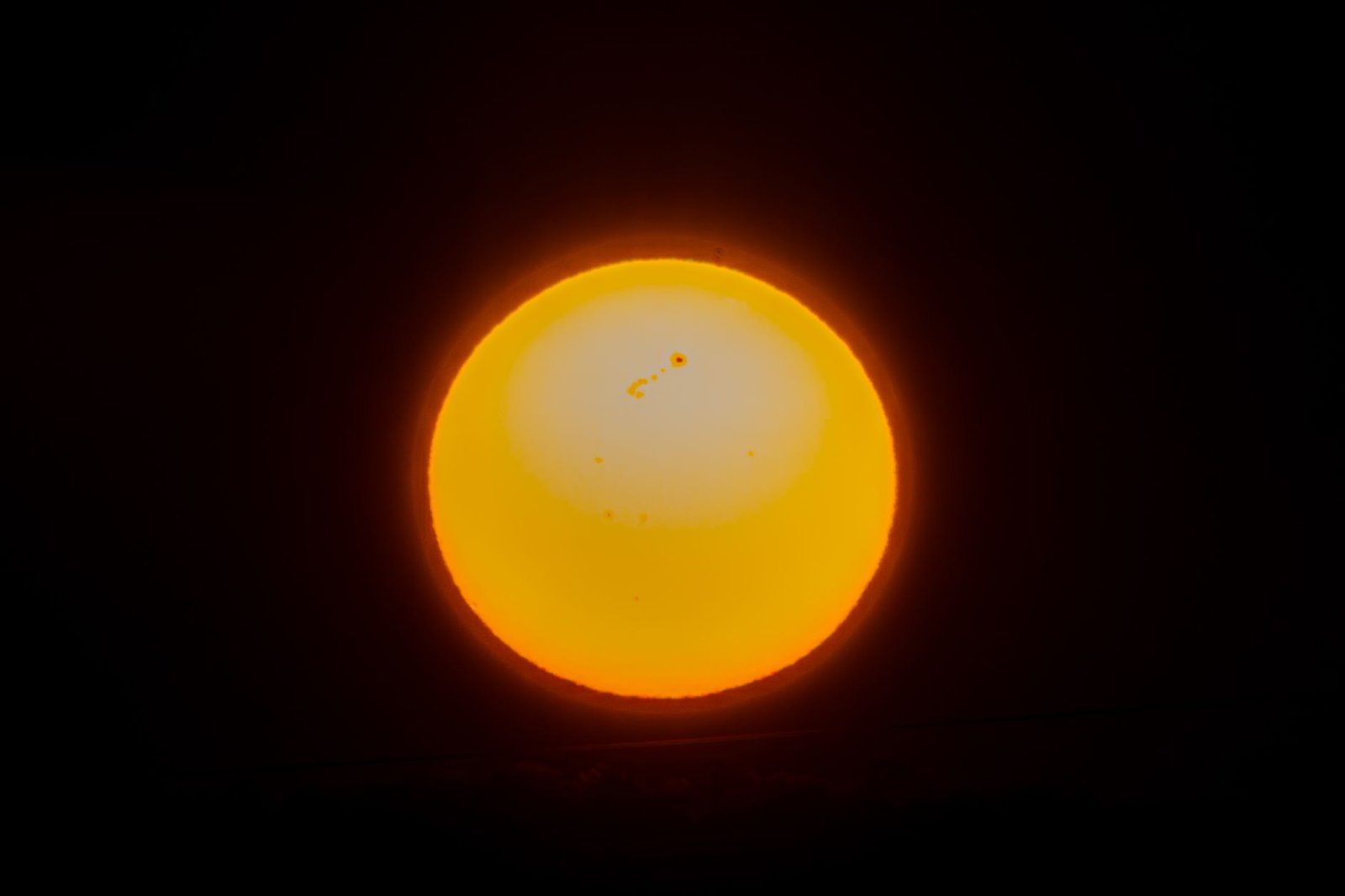
The Sun, our closest star, continues to unveil its secrets as advanced technology peers into its fiery depths. For the first time, scientists have observed swirling plasma vortexes on the Sun’s surface, revolutionizing our understanding of solar dynamics.
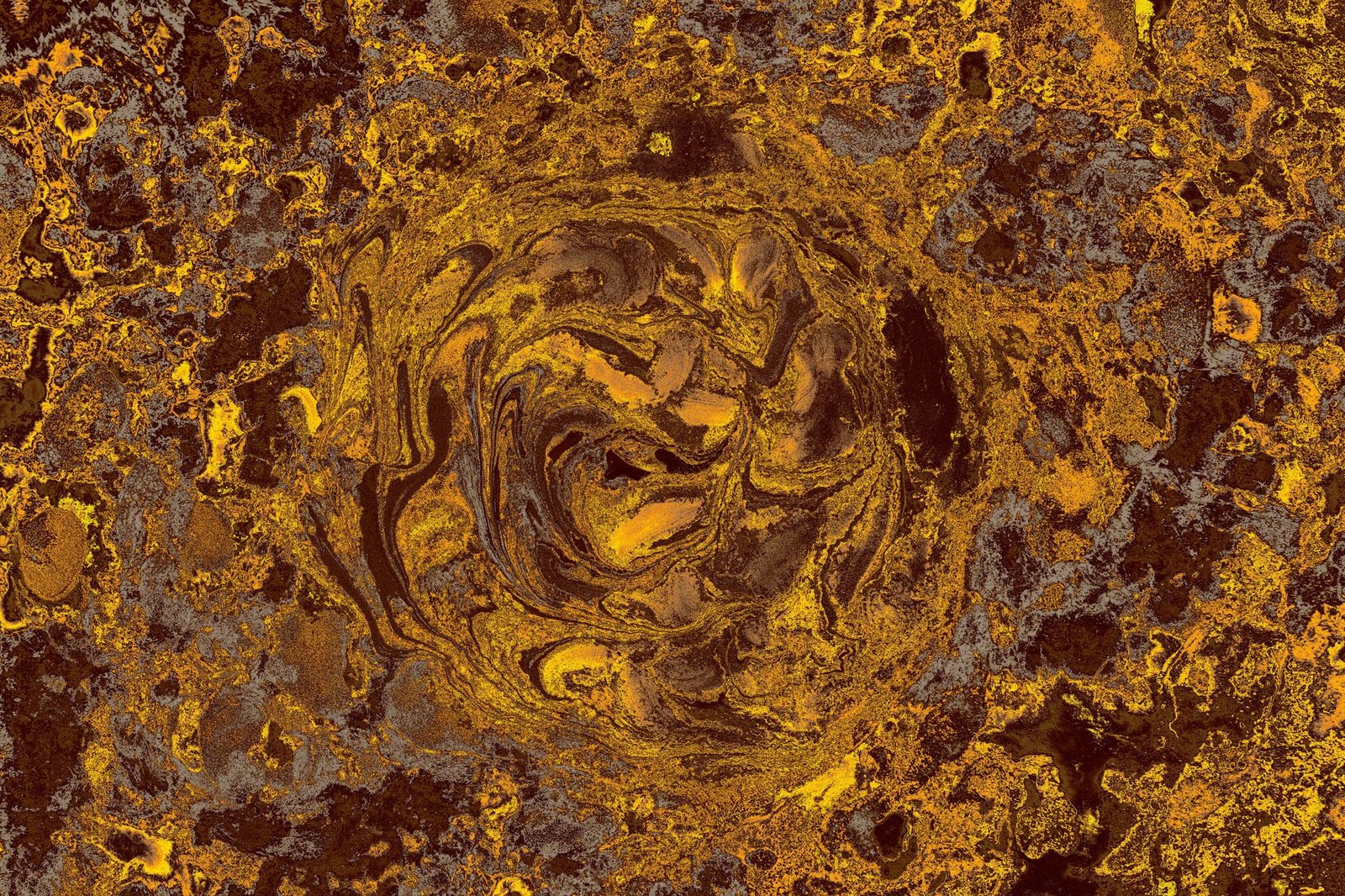
Key Takeaways
- Scientists have confirmed the presence of Kelvin-Helmholtz instabilities on the Sun.
- The discovery alters how scientists view heat and energy transfer on the Sun.
- Larger telescopes have made this groundbreaking observation possible.
- This knowledge could impact solar physics and space weather forecasting.
A Solar Revelation
In the realm of fluid dynamics, when two fluids glide past each other at different velocities, the boundary between them can twist and form swirling patterns called **vortexes**. This phenomenon, known as the **Kelvin-Helmholtz instability**, explains the rippling of water surfaces and the curved formations in clouds caused by wind.
Bringing Theory to Light
For years, scientists speculated this instability might occur with plasma on the Sun, yet no empirical confirmation existed until recently. Led by researchers David Kuridze and Friedrich Wöger, a team from the National Solar Observatory has verified that these instabilities are not only present but are widespread on the Sun’s surface. This revelation suggests new ways of considering how **heat**, **mass**, and **magnetic energy** are transferred through the Sun’s atmosphere.
The Telescope That Unveiled the Sun
It turns out these solar plasma whirlpools stayed concealed for so long partly due to their diminutive size, beyond the resolution of smaller telescopes. Throughout history, telescopes with mirrors under two meters were unable to visualize these minute structures, leaving a gap in solar observation capabilities.
The Role of Advanced Technology
This limitation was overcome with the inauguration of the **Daniel K. Inouye Solar Telescope**, the largest of its kind with a four-meter mirror, situated in Hawaii. Operational since November 2021, this telescope has provided the precision needed to observe these plasma structures.
Imagine trying to capture the spins of a dancer from a great distance. A larger lens allows you to see the intricate details of their movements. Similarly, this telescope has unveiled the minute and intricate swirls on the solar surface, offering insights previously hidden from human eyes.
Implications for the Future
What does this mean for our understanding of the Sun and beyond? The discovery of these instabilities could drastically alter theoretical models of **solar dynamics**. This understanding is more than academic; it holds practical applications as well. Enhanced understanding of solar processes aids in predicting **space weather**, which can impact satellite operations and even power grids on Earth.
Beyond solar physics, this breakthrough could inspire **AI technologies** to enhance predictive models in complex systems. As we further explore space’s vastness, AI’s role in processing large data sets and unpredictable variables becomes ever more crucial.
In conclusion, the ability to perceive the Sun’s hidden patterns opens a portal to deeper understanding—not just of our star, but potentially all stars. The collaboration of innovative technology and insightful science epitomizes what the future holds, hinting at discoveries that remain just beyond the horizon.
