



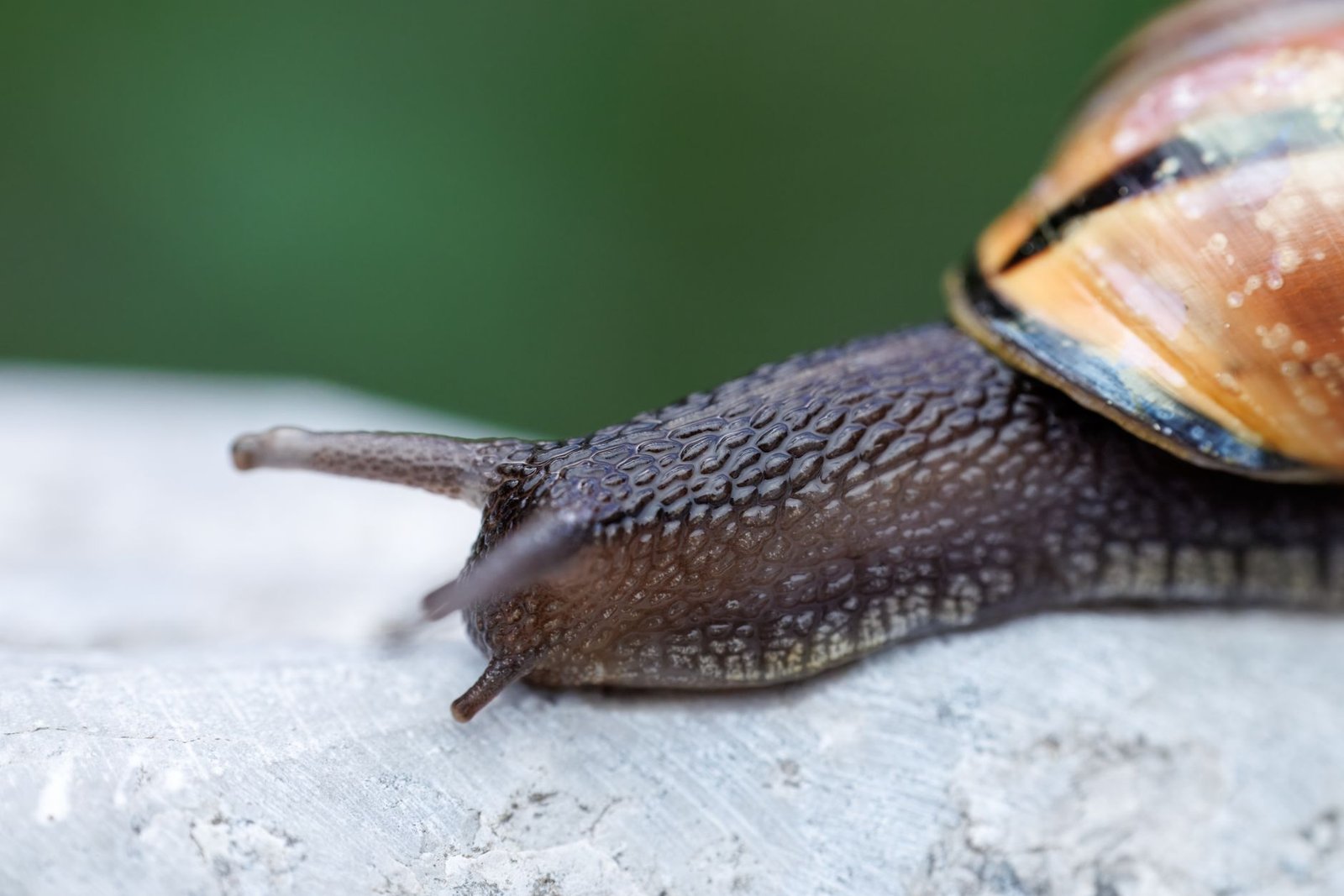
If you’ve ever marveled at how a snail effortlessly glides along surfaces or wondered about the slick trails they leave behind, then get ready to dive into the fascinating world of **snail slime engineering**. Recent research unravels how these seemingly simple creatures have mastered the art of engineering their slime to suit various functions.
Key Takeaways
- Snails produce different types of mucus with specialized properties for specific tasks.
- **Collagen** and **calcium** are crucial ingredients in manipulating these properties.
- Snail mucus holds promising potential for medical and cosmetic applications.
- Research into snail slime helps us better understand biomimicry and material science.
- Discoveries in snail mucus could inspire future AI developments in material engineering.
The Secret Ingredients of Snail Slime
The slimy trails left by snails are not just random. These creatures actually produce various **mucus types**, each with specific mechanical properties achieved through a clever combination of **collagen**, a primary protein in connective tissues, and **calcium**. Research conducted by a team of German scientists, recently published in the journal Science, shows that these components work together to create mucus with versatile characteristics.
Why Snail Mucus Matters
Beyond its slippery reputation, snail slime exhibits remarkable qualities that can be harnessed for diverse applications. For starters, its **anti-inflammatory** and **anti-aging** properties have made it a valuable ingredient in skincare. Moreover, in 2020, scientists discovered that combining snail mucus from a common garden snail with **gold nanoparticles** accelerated wound healing in mice, opening up new possibilities in medical treatments.
Diverse Roles of Snail Slime
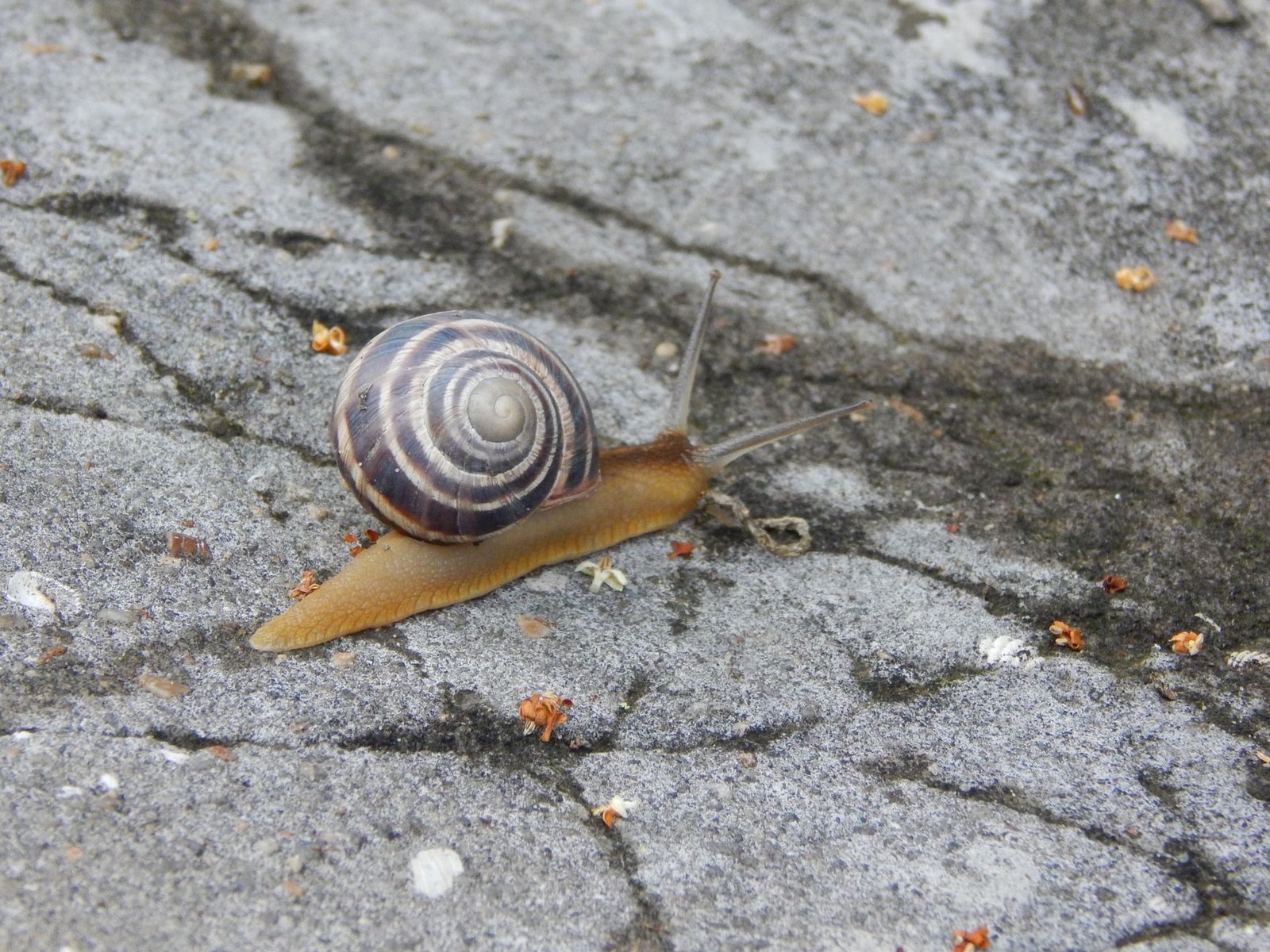
Snails secrete different types of mucus for distinct functions. The garden snail, for instance, uses mucus for hydration, adhesion, and lubrication. Such specialized functionalities make snail slime a topic of keen interest. The latest study focuses on the **grove snail**, also known as the lemon snail (Cepaea nemoralis), which is capable of producing five types of mucus, each with a unique role.
Adhesion and Locomotion
Among the different functions of snail mucus, there’s a **lubricant** that aids locomotion and an **adhesive** variant that helps the snail stick to various surfaces. Consider this: it’s much like how humans use different types of runners depending on the ground terrain—sneakers for running tracks and hiking boots for rocky pathways.
Protective Measures
One of the more intriguing types of snail mucus is the **epiphragm**, a protective layer rich in calcite that the snail produces when hibernating during winter. This layer effectively **seals** the snail’s shell, safeguarding it against predators and unfavorable environmental conditions.
What It Means for the Future
The study of snail mucus isn’t just about understanding these fascinating creatures; it offers insights with far-reaching implications. The unique properties of snail mucus can inspire **biomimicry**, the practice of mimicking biological processes to create innovative solutions in material science and beyond. This could eventually inform AI advancements, where **artificial intelligence** learns to develop new materials with highly specialized and adaptable characteristics.
As we continue to explore the natural world, understanding these extraordinary systems could well redefine how we approach problems in sustainability and engineering with the help of AI, leading us toward an exciting future where nature and technology converge in harmony.
