


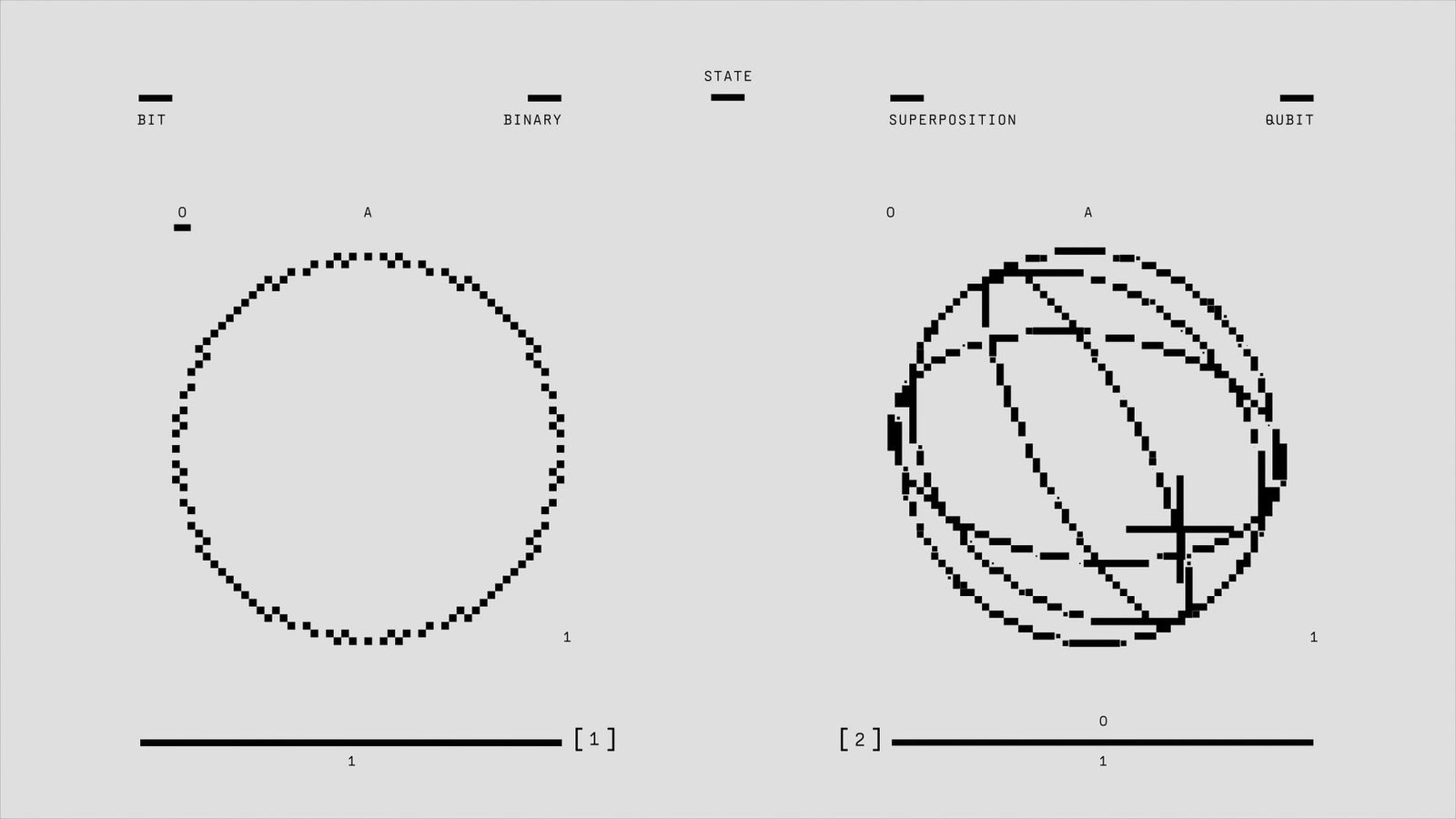
Imagine a world where **artificial intelligence** reshapes not just the future but the very language of mathematics itself. It’s happening now, and experts like James Maynard find themselves contemplating this shift as they stand on the brink of a new mathematical landscape.
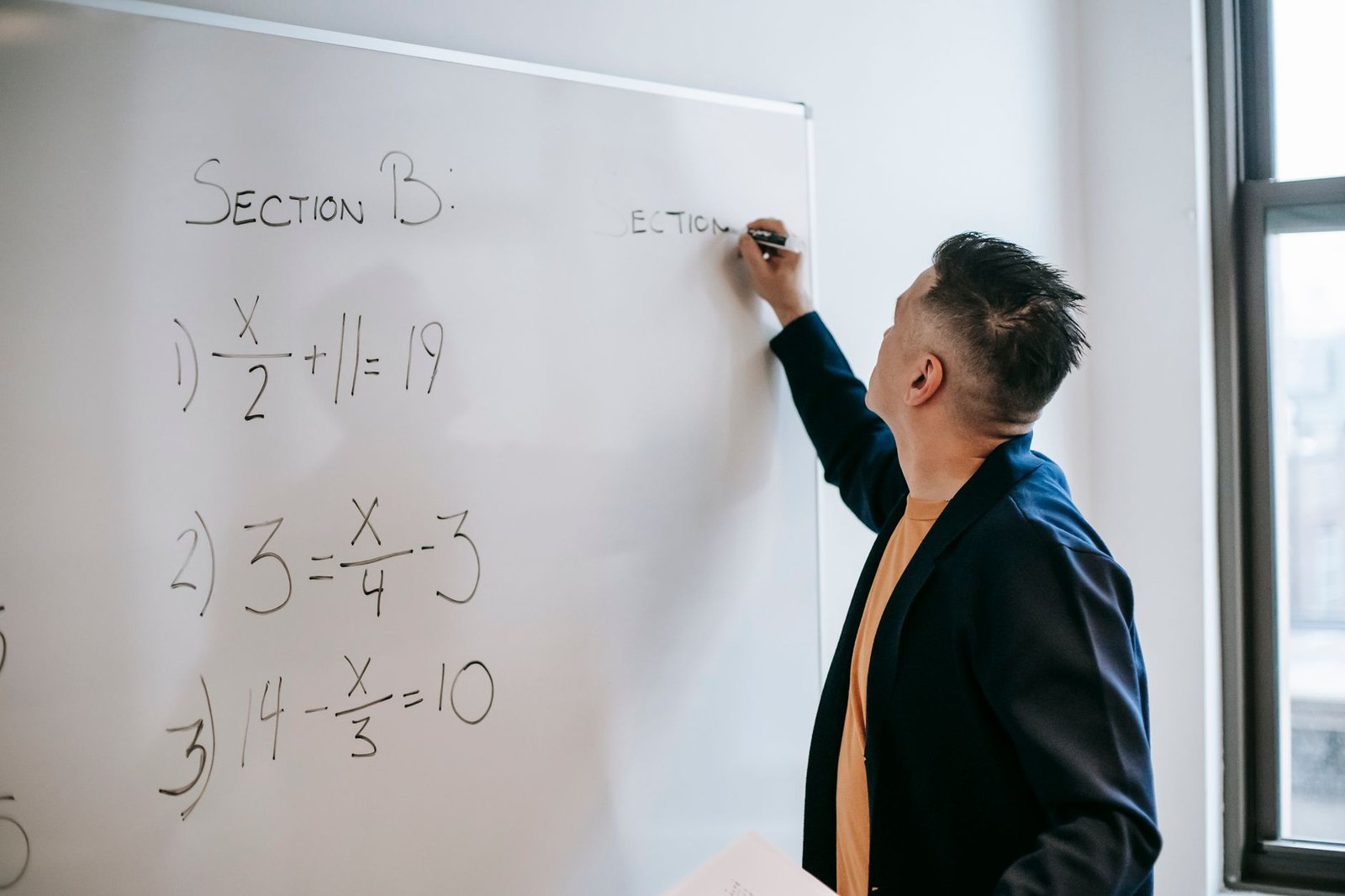
- AI is beginning to solve longstanding mathematical problems.
- The infusion of AI into math prompts a re-evaluation of traditional methods.
- Generative AI learns and mimics patterns within massive datasets.
- This technological shift could accelerate mathematical research and application.
- The future may see more integration between AI tools and mathematical discovery.
AI’s Entry into an Age-Old Discipline
The traditionally deliberate world of mathematics is experiencing an unexpected acceleration, thanks to **artificial intelligence (AI)**. Oxford Professor James Maynard, a decorated mathematician and Fields Medal recipient, expressed a blend of curiosity and uncertainty about AI’s growing role in his field.
From Theoretical to Transformative
Recently, OpenAI unveiled AI-driven solutions to ten long-standing mathematical conundrums that have puzzled academics for years. This mirrors how **generative AI**—which learns and simulates human-like creativity—has been applied in sectors like art and medicine. By recognizing intricate patterns and connections in vast datasets, AI moves beyond theory, offering transformative solutions in real numbers and equations.
How AI Learns Mathematics
At the core of AI’s mathematical prowess is its ability to **absorb and analyze extensive data**. Picture AI as a super-advanced student who can digest entire libraries of mathematical literature, not just reading but fully comprehending the material. This equips AI to recognize patterns and use this understanding to tackle complex problems.
One can liken this to assembling a puzzle: humans might excel at small sections, whereas AI has the capacity to look at the dispersed pieces and conjecture how they might fit together, seeing the whole puzzle with unprecedented clarity.
Implications for Traditional Mathematics
This AI-driven evolution necessitates a **re-evaluation of traditional mathematic methods**. Some worry it might overshadow human endeavors, yet others see it as a catalyst speeding up discovery and innovation. The traditional approach to mathematics—meticulous and driven by logical progression—might soon complement AI’s dynamic and expansive reach.
Reimagining Roles and Responsibilities
A new **symbiosis** between human creativity and AI computation could emerge. Consider AI as a tool, one that mathematicians can use to focus on more ingenious tasks while leaving arduous computations to machines. This shift, much like calculators in classrooms, could mark a significant leap in how mathematics is taught, learned, and applied.
The Road Ahead for AI in Mathematics
The potential for AI to continuously evolve in the realm of mathematics is substantial. Imagine a future where AI not only solves existing problems but predicts new mathematical phenomena, guiding human understanding in directions previously unimaginable. This could redefine the boundaries of mathematical theory itself, pushing us into new realms of possibility.
As AI becomes more integrated in everyday tools, it will likely serve as both a collaborator and independent problem solver for mathematicians around the globe. This collaboration promises to unlock new levels of efficiency and discovery, propelling mathematical research to unprecedented heights and solidifying AI’s role within this ancient discipline.
