



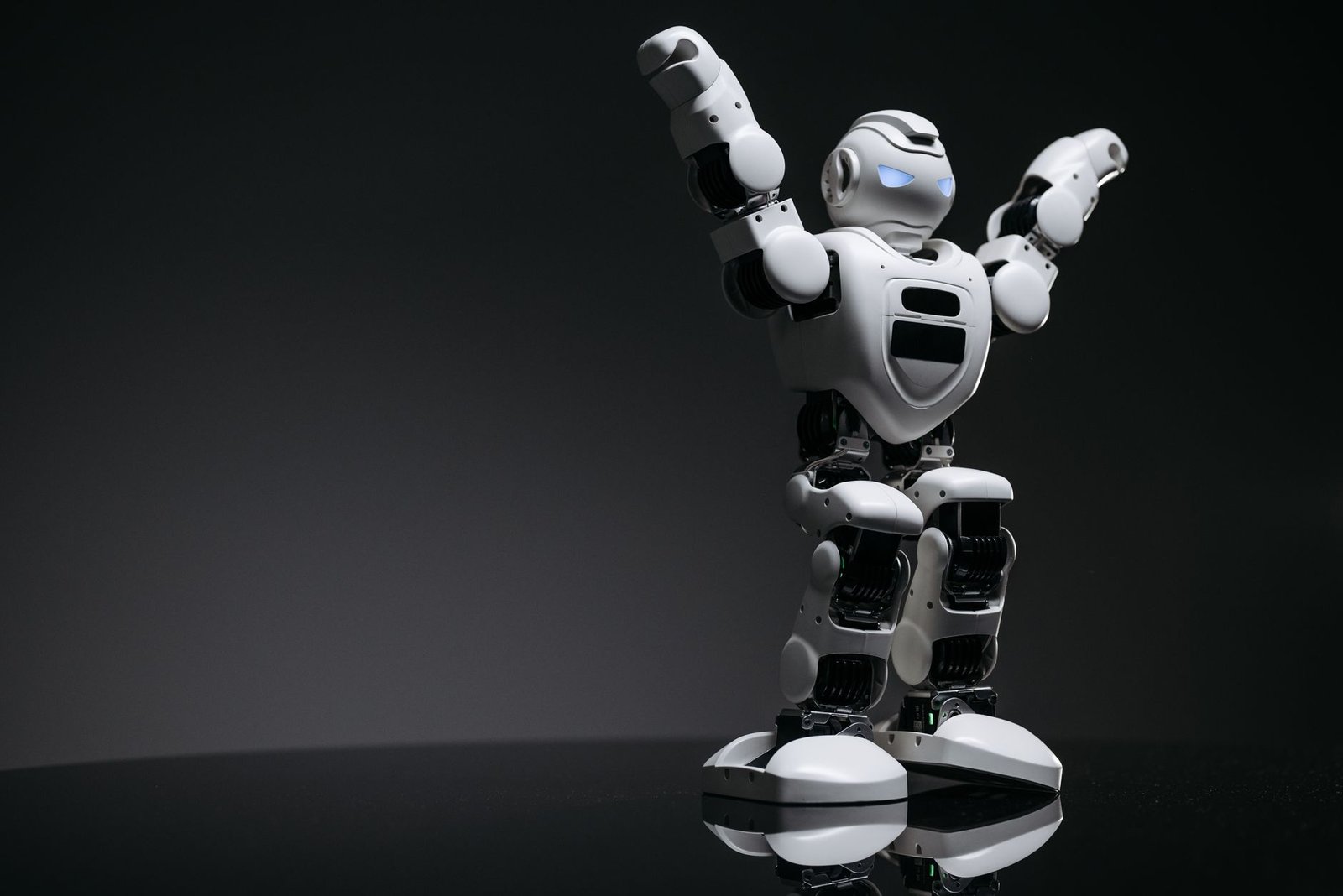
In a fascinating twist, a prominent U.S. distributor of Chinese humanoid robots is turning a significant challenge into an opportunity. Faced with increasing U.S. restrictions on foreign-made robotics, the move to produce domestic robots could reshape the landscape of humanoid technology in America.
Key Takeaways
- The U.S. distributor is pivoting to manufacturing its own robots locally.
- RoboStore previously sold over 1,500 Chinese-made robots for research and tech companies.
- The pivot is partly due to U.S. governmental restrictions on foreign robotics.
- This change could elevate the U.S. robotics manufacturing sector.
- The move demonstrates adaptability in a rapidly evolving tech landscape.
Rising to the Challenge: RoboStore’s Strategic Shift
**RoboStore**, a major player in robot distribution, has decided to pivot from solely distributing Chinese humanoid and quadruped robots to building its own. This strategic change comes on the heels of heightened U.S. regulations that aim to reduce dependence on foreign-made robotics, particularly those from China. **Humanoid robots**, which mimic human actions and features, have become valuable assets in various fields, from academia to advanced tech industries.
A Response to U.S. Measures
The decision for RoboStore to manufacture its robots in Long Island, New York, is a direct response to the U.S. government’s increasing focus on restricting foreign-made technology. The political climate has encouraged businesses like RoboStore to reassess their supply chains and production strategies. RoboStore’s CEO, Teddy Haggerty, highlighted that this endeavor will harness local talent and resources, tapping into the wealth of innovation within the country.
The Role of International Technology
For the past few years, **Unitree Robotics**, a Chinese firm known for its cutting-edge yet affordable robotics, stood as the key supplier to RoboStore. These robots have served as crucial R&D tools for leading institutions such as Harvard, MIT, and tech giants like Amazon and Nvidia. Their utility lies in their ability to provide a cost-effective yet high-tech solution for various projects—from research to product development.
Breaking Down Quadruped Robots
**Quadruped robots**, or four-legged robots, are engineered to mimic the movement and structure of animals like dogs. Their stability and flexibility have made them invaluable for exploring environments that are challenging for traditional wheeled robots. RoboStore’s widespread sale and distribution of these models have significantly influenced both educational and corporate research landscapes.
The Transition to Local Production
Transitioning to local production is no small feat. It requires infrastructure, skilled labor, and a deep understanding of the engineering behind these complicated machines. However, RoboStore sees this as more than just a necessity; it’s an opportunity to enhance the robotics landscape in the U.S. By bringing production stateside, RoboStore aims to foster innovation while reducing reliance on foreign technology.
Benefits of Domestic Robotics Manufacturing
This move is poised to provide several benefits: creating jobs, boosting local economies, and potentially lowering the cost and logistical constraints associated with international shipping. Additionally, manufacturing in the U.S. offers a level of transparency and security, ensuring that intellectual property and data integrity are tightly managed.
Imagine the scenario of a company wanting to build a complex **supply chain of robots** in a rapidly changing global market. Much like a start-up redefining itself to adapt to new market demands, RoboStore is navigating a path through this labyrinthine regulatory and economic landscape.
What This Means for the Future of AI in Robotics
This pivotal shift by RoboStore not only highlights the dynamism within the technology sector, but also signals an exciting future for AI-integrated robotics. As more companies follow suit, the U.S. could see a new era of innovation, leading to robots that are ever more intelligent and capable. The long-term potential is profound, from transforming everyday life to tackling large-scale global challenges.
As the robotics sector continues to evolve, we may witness a surge of breakthroughs that redefine how robots integrate into our world, enabled by strategic shifts like RoboStore’s. Embracing these changes could very well be the key to unlocking the next chapter in AI and robotics, ensuring a robust, secure, and transformative future for technology.
