




Ever imagined the tireless engines of space exploration taking a breather? Florida’s **Space Coast**, famed for its bustling space traffic, is experiencing an unusual calm. This slowdown marks a strategic pivot in SpaceX’s ambitious trajectory. But what fuels this transformation, and what lies ahead?
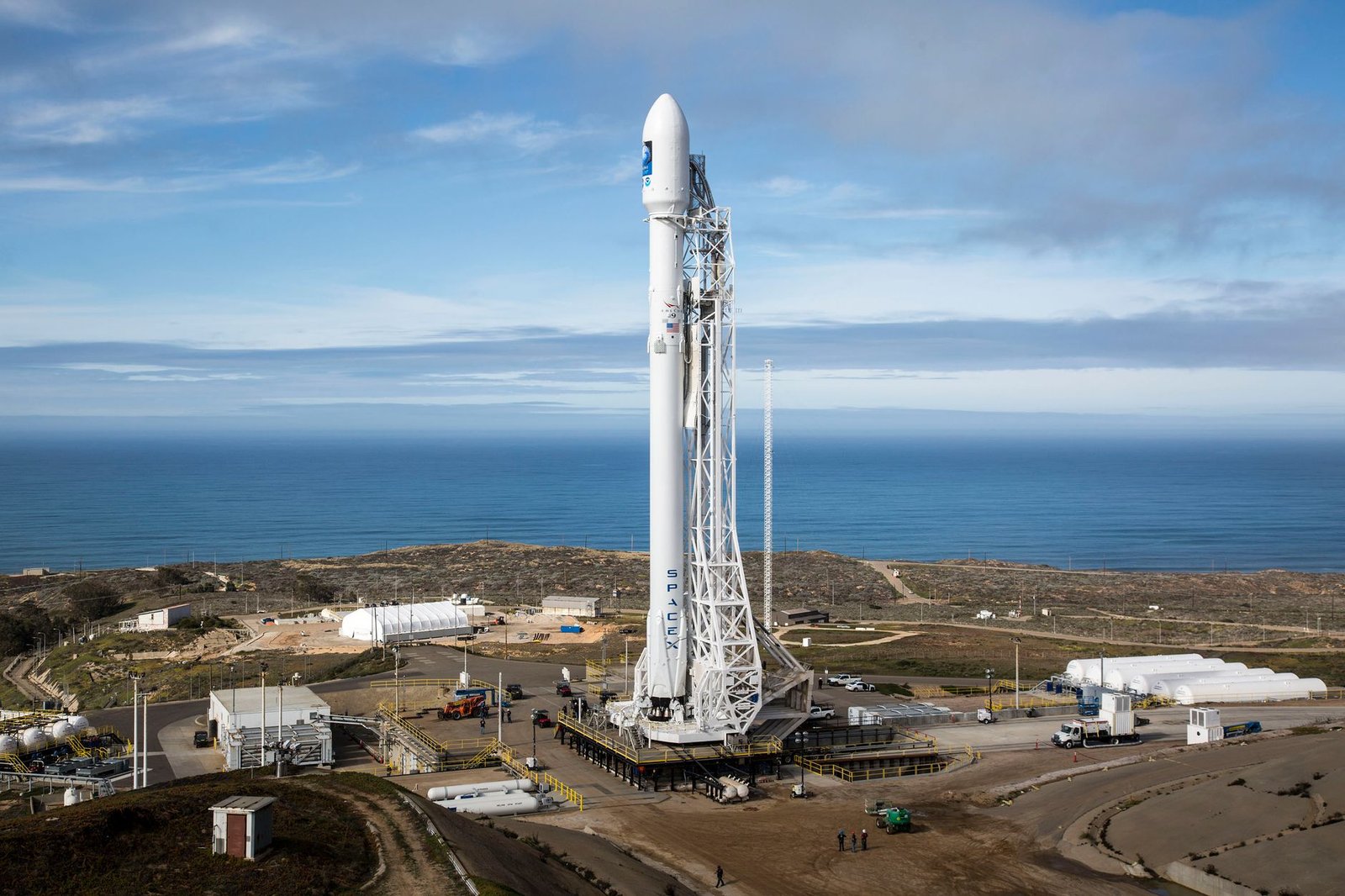
- SpaceX is reducing its Florida launch frequency this year.
- More launches will now emanate from California’s Vandenberg Space Force Base.
- The change aligns with awaiting the arrival of SpaceX’s **Starship**.
- Falcon 9 has been instrumental in deploying Starlink satellites.
- This transition could redefine the landscape of space exploration.
The Era of the Falcon 9
Over the past decade, the **Falcon 9** rocket has become the cornerstone of SpaceX operations from Florida’s launch pads. These **rockets** are reusable, a key innovation allowing SpaceX to affordably launch a high volume of missions. Much of this traffic was dedicated to launching satellites for the Starlink initiative, aiming to provide global internet coverage.
A Shift to the West Coast
This year, significant changes are unfolding. Rather than launching from Florida, SpaceX has pivoted to utilizing its West Coast facilities at **Vandenberg Space Force Base** in California. This move enables SpaceX to maintain its rigorous launch schedule while strategic developments occur in Florida.
Why the Change?
Why the sudden shift? The answer lies in waiting for the next phase of innovation: SpaceX’s **Starship**. The Starship is designed to be an even more powerful and flexible rocket than the Falcon 9, capable of carrying larger payloads and more demanding missions, potentially to the Moon and Mars. As the company prepares for this revolutionary step, the shift in launch locations is a tactical decision to manage resources and logistics effectively.
A Temporary Lull
The pause in Florida launches is not a sign of slowing ambitions. Instead, it reflects a strategic pause, much like an athlete taking a deep breath before the final sprint. With the arrival of Starship, SpaceX aims to redefine the boundaries of space capability.
Real-World Analogy
Imagine a bustling airport that suddenly appears quieter than usual. The reason? It’s undergoing renovations to accommodate next-generation supersonic jets that promise to cut travel times by hours. Similarly, SpaceX is pausing some of its Florida operations to prepare for the incoming capabilities of Starship, which aims to usher in a new era of space exploration.
The Horizon of Space Exploration
As we look forward, this strategic shift signals a thrilling future for **AI** and technology in space exploration. The development and deployment of rockets like the Starship will push the envelope of artificial intelligence, from autonomous navigation to advanced data analysis onboard spacecraft. The broader implications for AI are immense—new machine learning techniques could emerge from these pioneering efforts, enhancing everything from predictive analysis in satellite data to optimizing resource allocation on long-duration missions.
SpaceX’s strategic move from Florida to California is a meticulous step towards realizing grander cosmic dreams. As technology progresses, the realms of possibility expand, promising an exciting future powered by innovation and exploration. Prepare for a transformed space frontier, driven by the relentless pursuit of knowledge and an unending quest for what’s beyond the horizon.
