


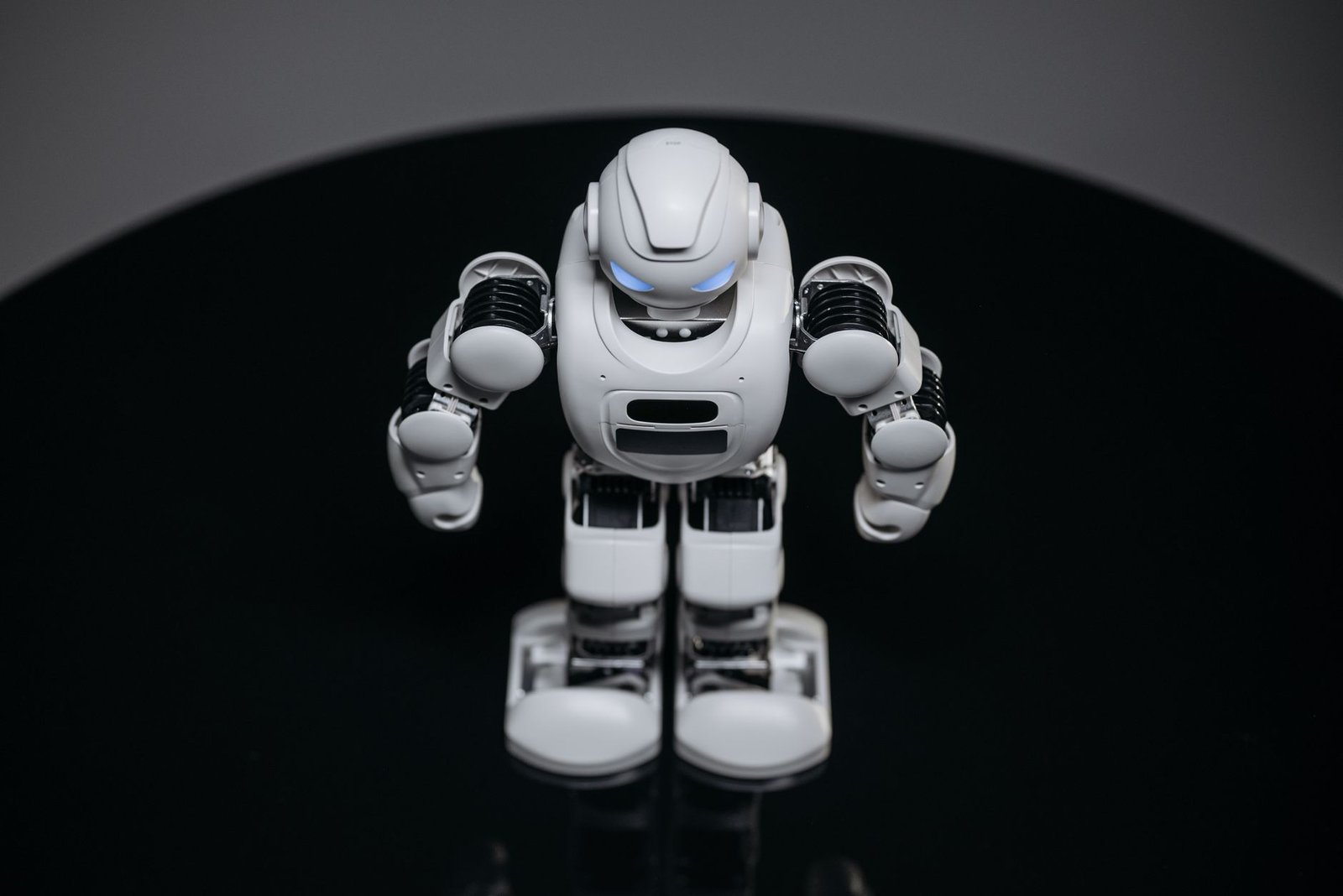
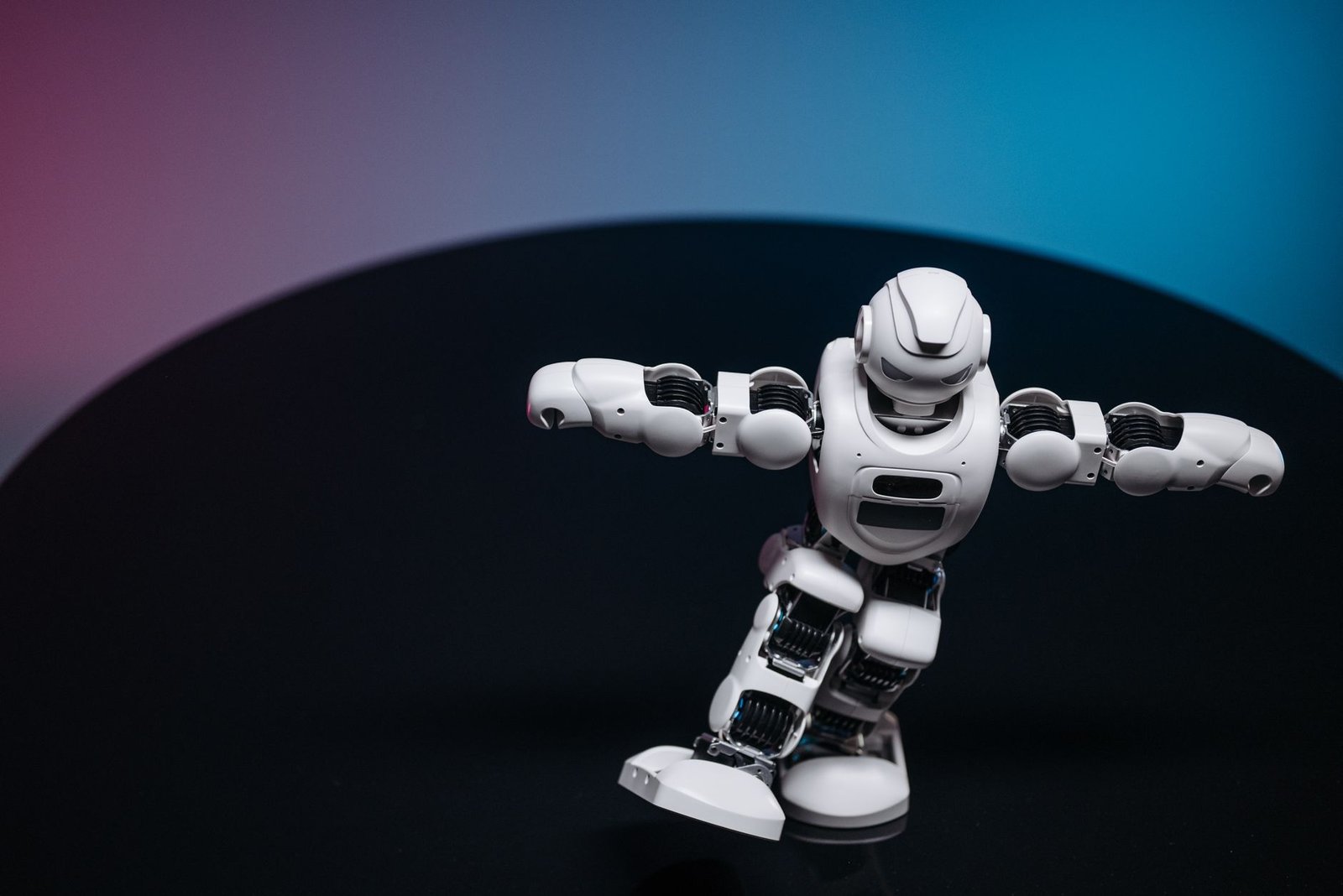
The world of robotics continues to astound us, as humanoid robots in China recently put on a display that was nothing short of spectacular. While one might expect their speed to capture headlines, it’s their delicate and precise movements that truly steal the show. How did these robots accomplish such feats, and what does it mean for their future capabilities?
Key Takeaways
- Robots at China’s games displayed remarkable mental acuity over sheer physical strength.
- Tasks requiring precision, like handling tweezers, showcased significant technological advancements.
- Speed was not the only focus; dexterity and adaptability were key highlights.
- Understanding robotic programming and AI integration is crucial to these developments.
- The event points towards a future where robots could handle intricate human-like tasks.
Unveiling the Power of Precision
In today’s technologically advanced world, speed often captures our imagination, particularly when humanoid robots clock speeds rivaling renowned athletes like Usain Bolt. However, the **true marvel** of the recent Robot Games in Beijing was the robots’ ability to perform tasks requiring incredible finesse. These tasks went far beyond simple brute force or rapid movements, delving into realms requiring nuanced control and dexterity.
The Mind Over Muscle
The phrase ‘mind over muscle’ can now be applied to robotics, thanks to the enhanced ***AI algorithms*** enabling these machines to execute tasks with surgical precision. Imagine a robot carefully using tweezers to handle tiny beads—a test demanding not just agility but also keen perceptual awareness and computational processing.
These abilities stem from advancements in **machine learning (ML)**, a form of artificial intelligence that enables machines to learn from data. Through ML, robots are programmed to adapt and refine their techniques by processing previous trial outcomes, thereby increasing their precision over time.
Breaking Down the Brains Behind the Bots
At the core of these robots’ dexterity lies a combination of **sensors and actuators**, integral for movement control. Sensors, which are devices that detect and measure physical properties like pressure and distance, provide data to the robot. The **actuators** are responsible for the movement by translating this data into actions.
A practical analogy: Think of how a human uses sight and touch to interact with objects. Similarly, the sensors act like eyes and skin for robots, while actuators function as muscles, allowing them to apply the right amount of pressure and precise movement required, especially for delicate tasks.
The Human-Robot Comparative Analysis
The sheer precision displayed by these **humanoid robots** might remind one of a skilled surgeon who operates with pinpoint accuracy. This goes to show how far AI has come in mimicking the human nervous system’s capacity to coordinate different motions seamlessly. The integration of these insights into AI development makes it clear that **robots are evolving** to acquire skills once thought to be exclusively human.
The Future Beckons: What’s Next for Robotic Evolution?
The success of these robots at such nuanced tasks underscores a transformative shift in AI capabilities. Looking forward, this evolution means we could witness robots playing a larger role not just in **industrial settings** but in personalized domains like healthcare, elderly care, and more. They might assist with precision tasks that require a gentle touch, paving the way for truly **collaborative human-robot environments**.
As robotics and AI continue to advance, it prompts a fundamental rethink of how these technologies are integrated into our daily lives. These events are more than just games; they are milestones charting a path to where **intelligent brawn meets finesse**. The implications for the future are profound, suggesting a world where the bounds of what robots can achieve are continuously expanding.
