




Imagine a world where every chat with your favorite AI assistant ends up consuming more of our planet’s precious resources than you ever imagined. As AI technology surges forward, so do the questions about its environmental footprint, particularly in terms of water use.
Key Takeaways
- Data centers consume significant water to keep AI systems cool.
- Complexities in measuring AI’s water use lead to confusion.
- Inconsistent data from tech giants adds to the uncertainty.
- Public protests highlight the contentious nature of AI’s resource consumption.
- The future of AI involves balancing growth with sustainability.
The Growing Concern Over Water Usage
Across the southwestern United States, from Texas to Arizona, protest signs are voicing a rising concern: “Protect our water,” “Water for people not AI,” and “Don’t mess with our water.” These catchphrases reflect a growing resistance to the escalating use of natural resources by data centers, which are springing up as tech companies scale up the capacity required for advancing AI technologies.
Why Data Centers Use Water
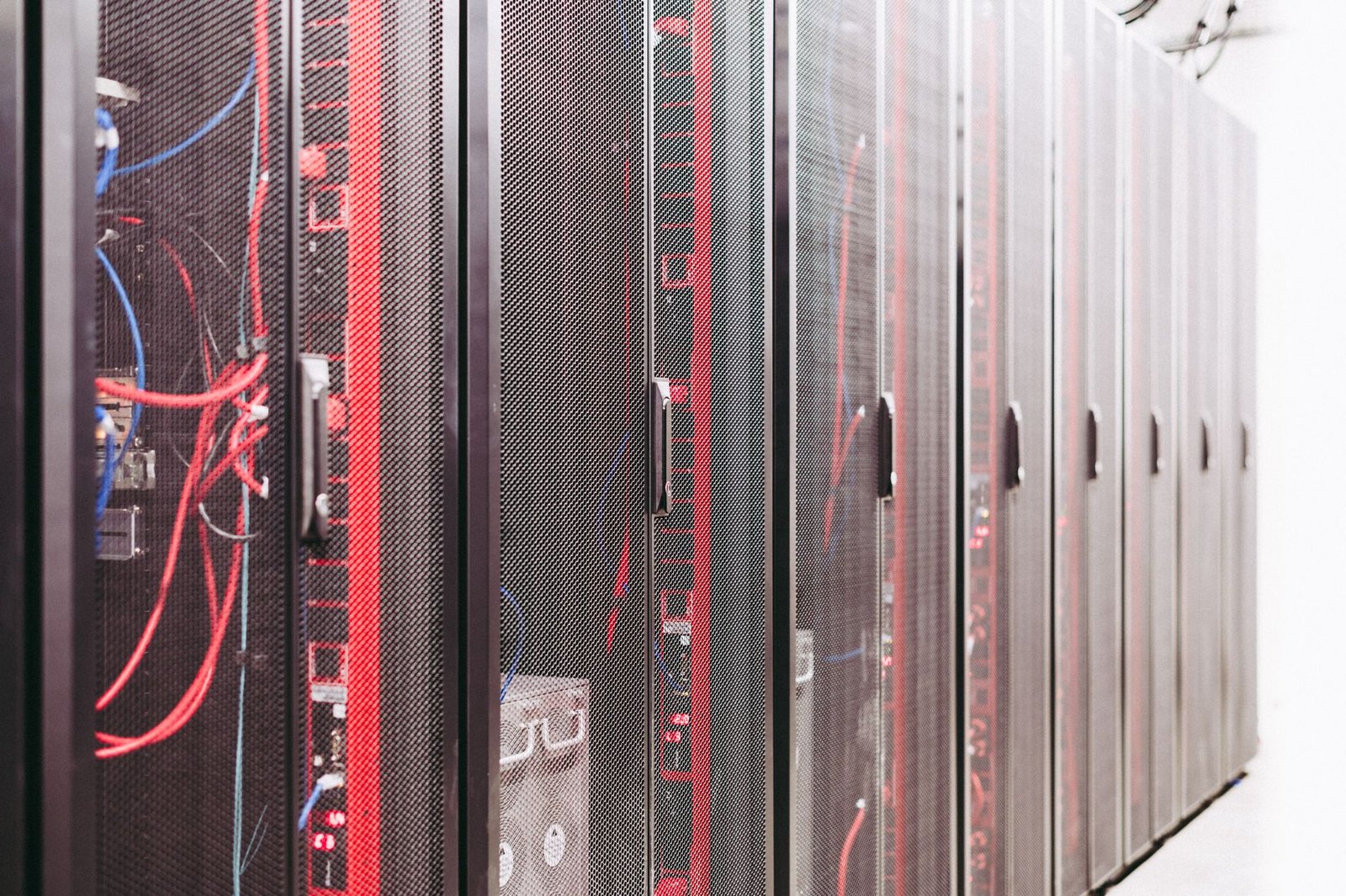
Data centers, the heartlands of digital processing, often use water to manage the intense heat generated by their processors. Much like how sweating helps humans cool off, these facilities use water to absorb and dissipate heat through evaporation. This cooling process is pivotal, given that the processors can reach temperatures soaring up to 176° Fahrenheit, similar to an overused laptop during an intense gaming session or heavy computational task.
Deciphering Mixed Messages
While it is widely acknowledged that data centers are energy-intensive, the extent of their water consumption remains murky. Various claims on the internet offer contrasting narratives: some suggest that each interaction with chatbots could use around 500 ml of water, while others dismiss the notion of a water crisis in AI development entirely. This disparity in information is compounded by the inconsistent and often incomplete consumption data provided by major tech companies.
The Real Picture
To understand the impact, let’s consider an analogy: imagine your local library expanding, adding not only books but also multimedia resources requiring extra cooling equipment. The library’s energy and water bills would likely increase, drawing scrutiny from the community. Similarly, tech companies are under the microscope as they build data facilities, prompting local populations to question if these expansions are worth the environmental cost.
Navigating the Future of AI and Environmental Impact
Looking ahead, the challenge for AI innovators is to strike a balance between technological progress and environmental sustainability. Sustainable engineering solutions, such as improved cooling technologies and better resource management strategies, are crucial. The path forward involves becoming more transparent with resource consumption data and pursuing policies that mitigate environmental impacts.
In conclusion, the dilemma of AI’s water usage represents a microcosm of a larger challenge: evolving technology in harmony with our environment. As we integrate AI deeper into our lives, a conscious effort is required to ensure that its advancements do not come at the expense of vital natural resources. The future of AI lies not only in its capability to change industries but also in its potential to lead by example in environmental stewardship.
