

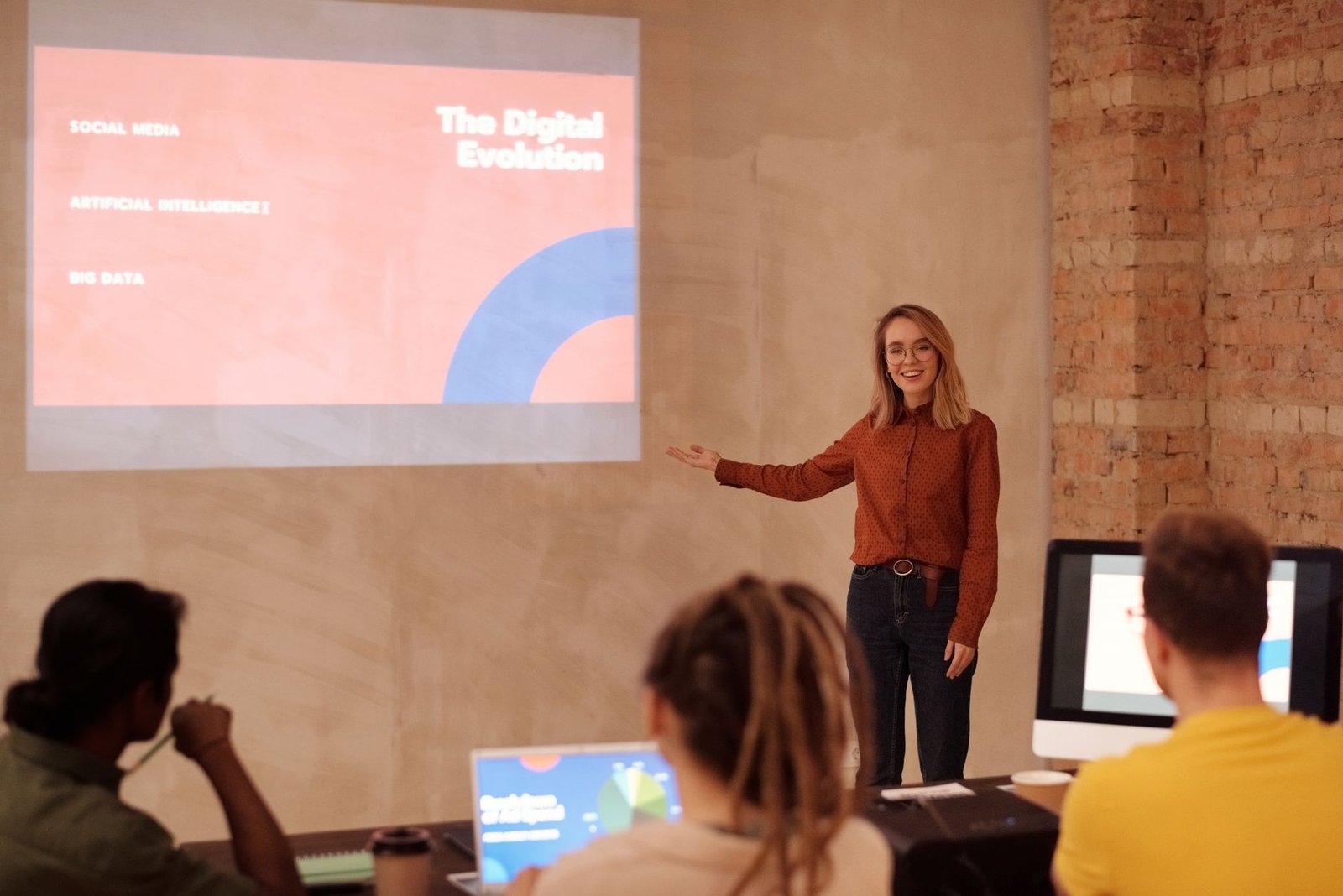
Imagine a world where every team member is as fluent in AI as they are in their mother tongue. Philips is making strides towards this vision, transforming its global workforce by integrating AI expertise into its core. Using innovative tools like ChatGPT Enterprise, Philips is not only reshaping its internal operations but also revolutionizing healthcare worldwide.
Key Takeaways
- Philips is using **ChatGPT Enterprise** to boost AI literacy among its **70,000 employees**.
- Training focuses on the **responsible use of AI** to enhance healthcare outcomes.
- Employees are empowered to harness AI to solve real-world problems.
- The initiative paves the way for **sustainable AI integration** in daily operations.
- This could set a benchmark for how large corporations embrace AI for social good.
The Vision: AI Fluency for All
In a rapidly technological world, understanding AI is becoming as crucial as knowing how to use a computer. Philips envisions an organization where every employee is equipped with the knowledge to responsibly implement AI solutions. This initiative isn’t just about technological training, but about crafting a culture of innovation within the company.
The Role of ChatGPT Enterprise
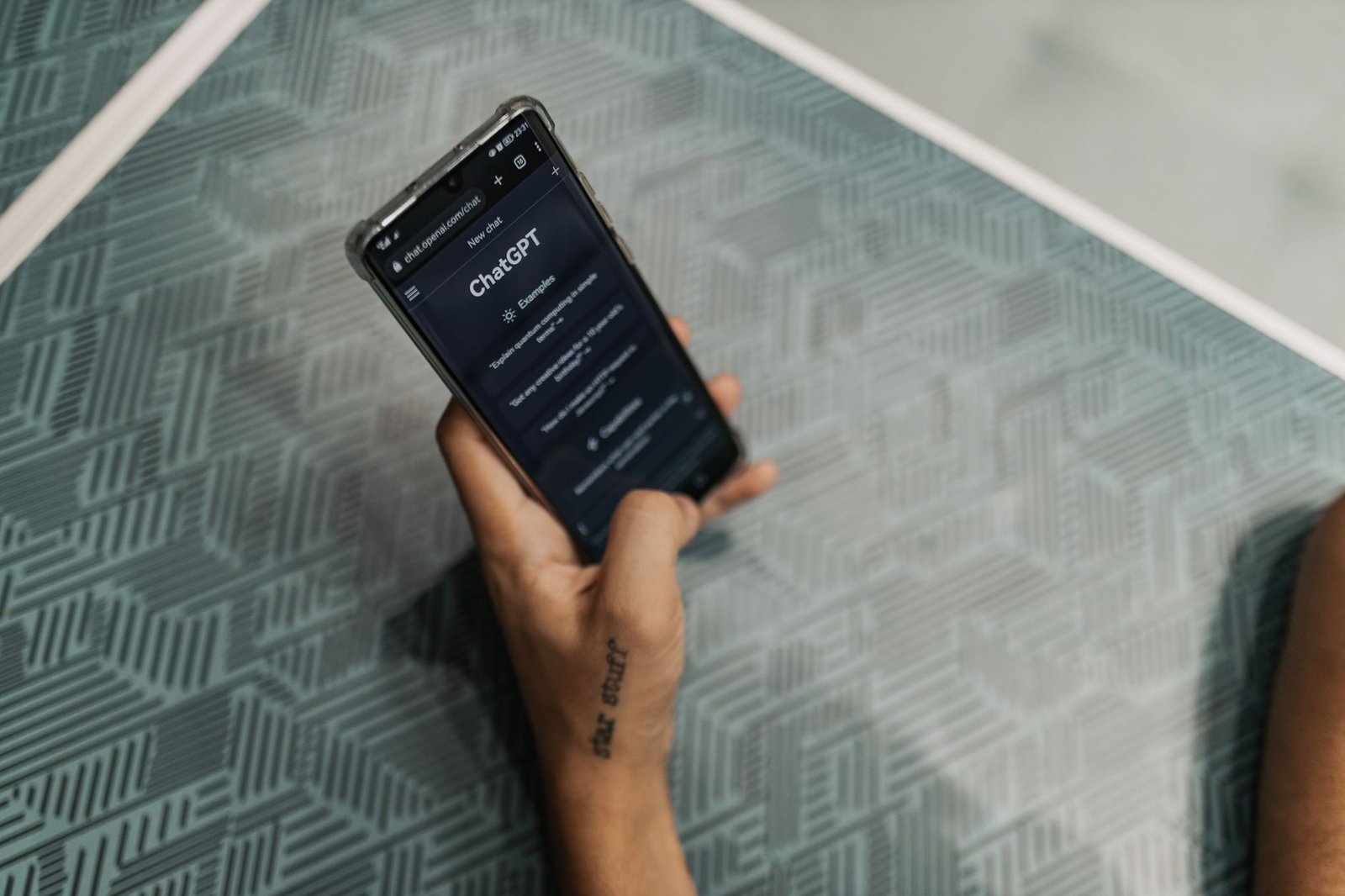
At the heart of this transformation is **ChatGPT Enterprise**, an advanced AI tool designed to facilitate seamless interaction with complex systems. By using this platform, Philips employees can easily grasp AI concepts and apply them in ways that can substantially improve healthcare delivery. ChatGPT acts as a conversational partner, demystifying AI jargon and making it accessible to all, similar to having an expert on call for every project.
Responsible AI Use: A Priority
AI’s potential is enormous, but so are its ethical challenges. By focusing on **responsible AI use**, Philips seeks to build trust not just within the company, but also with patients and healthcare partners globally. Employees learn to evaluate AI-driven decisions critically, ensuring that AI technologies are built and used ethically and transparently.
Example: Improving Patient Outcomes
Consider a department working on enhancing patient diagnostics. With AI tools, they can analyze vast amounts of data faster than any human could, identifying patterns and predictions that improve diagnostic accuracy. An employee trained in AI can oversee this process, always ensuring that the algorithm’s recommendations align with ethical standards and clinical guidelines. This leads to more confident diagnostics and faster treatment plans, enriching patient care.
The Broader Impact
Philip’s initiative is not just an internal policy; it’s a pioneering step that could serve as a model for industry-wide adoption. By prioritizing **AI literacy**, Philips positions itself as a leader in ethically and effectively integrating AI into business models. This agile approach allows employees to adapt quickly to technological advancements, ultimately fostering a work environment that is both innovative and ethically sound.
The Future: AI as a Standard Literacy
Looking ahead, as more companies follow in Philips’ footsteps, AI literacy could become as common as computer literacy in our educational and professional requirements. This transformative journey for Philips could be the precursor to a future where AI tools are as ubiquitous—and necessary—as laptops and smartphones today. By investing in AI education, Philips not just secures its position at the forefront of tech innovation, but also sets the stage for a smarter, more capable workforce dedicated to making a positive impact on the world.
