



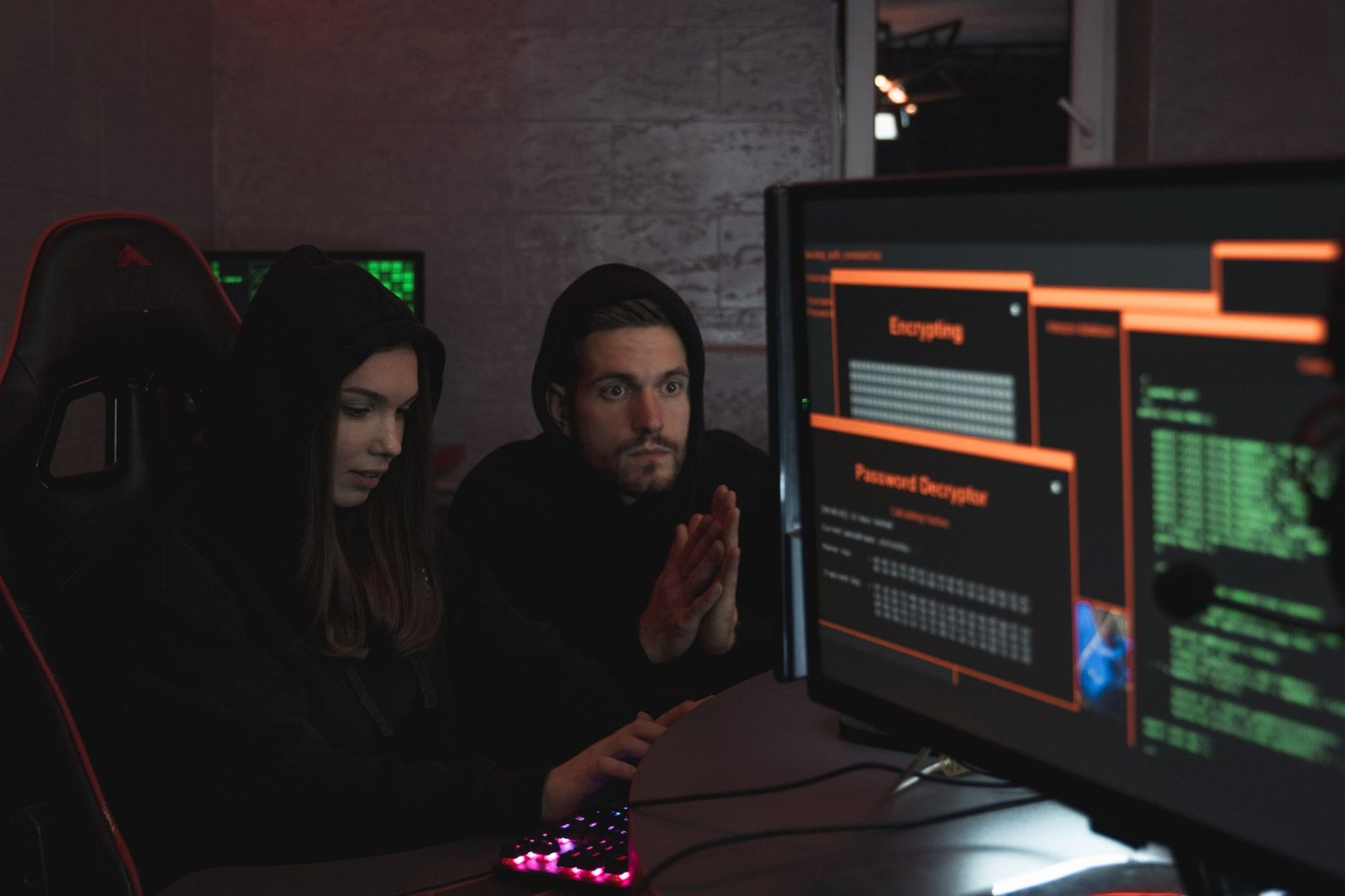
Imagine a powerful collaboration where human ingenuity meets cutting-edge technology. This is the new frontier of **red teaming**—a critical practice where proactive threat assessments in cybersecurity are enhanced through a synthesis of people and AI.
Key Takeaways:
- Red teaming involves using teams or simulations to identify and address security vulnerabilities.
- Integrating AI into red teaming processes expands the scope and depth of threat detection.
- AI augments human decision-making, providing analysis on a scale no single team could achieve alone.
- As AI technology evolves, red teaming will adapt to meet emerging challenges, ensuring robust security systems.
The Essence of Red Teaming
Red teaming is essentially a rigorous method used in cybersecurity to test the effectiveness of an organization’s defenses. These teams simulate attacks to uncover vulnerabilities. Traditionally, red teams were composed of skilled human experts who would think like adversaries to probe for weaknesses. The integration of **artificial intelligence**—systems capable of performing tasks that typically require human intelligence—takes this practice to new heights.
How AI Enhances Red Teaming
By incorporating AI technologies, the landscape of red teaming is dramatically transformed. AI algorithms can process vast datasets faster than any human can, identifying patterns and potential threats that might go unnoticed. For instance, AI can analyze network traffic data to detect anomalies, while machine learning models learn from past incidents and adapt to recognize novel attack vectors. This means that AI doesn’t replace human red teams but empowers them to focus on strategic areas requiring human intuition and creativity.
A Real-World Example: AI-Powered Phishing Simulations
Consider a scenario where AI systems are used to execute phishing simulations. These simulations are designed to test how well employees recognize and respond to phishing attacks. Traditional methods might involve concocting a few generic fake emails. In contrast, AI can generate realistic and sophisticated phishing attempts based on data about employee behavior patterns, increasing the effectiveness of the exercise. This not only trains employees but also highlights specific vulnerabilities in human behavior that need addressing.
The Human-AI Collaboration
This blend of human insight and AI capability is a powerful combination. Human team members bring creative thinking and contextual understanding, while AI contributes with its ability to handle large-scale data analysis and precision. Human experts can steer AI capabilities to explore new directions and hypotheses, essentially guiding the AI’s “thinking” process. This partnership enhances the red team’s ability to forecast potential threats and devise innovative solutions to mitigate them.
Looking Ahead: Future Implications for AI and Red Teaming
As AI technologies continue to advance, the scope of red teaming will expand further. We can expect red teaming processes to become more dynamic and adaptive, staying ahead of increasingly sophisticated cyber threats. In the future, AI could autonomously conduct initial assessments of system vulnerabilities, leaving human teams to address the most complex issues. This means not only increasing the efficiency and efficacy of cybersecurity measures but also continuously evolving to keep up with malicious actors. The fusion of human expertise and AI promises a future where cybersecurity becomes more robust and resilient, protecting data and systems in ways previously unimaginable.
