



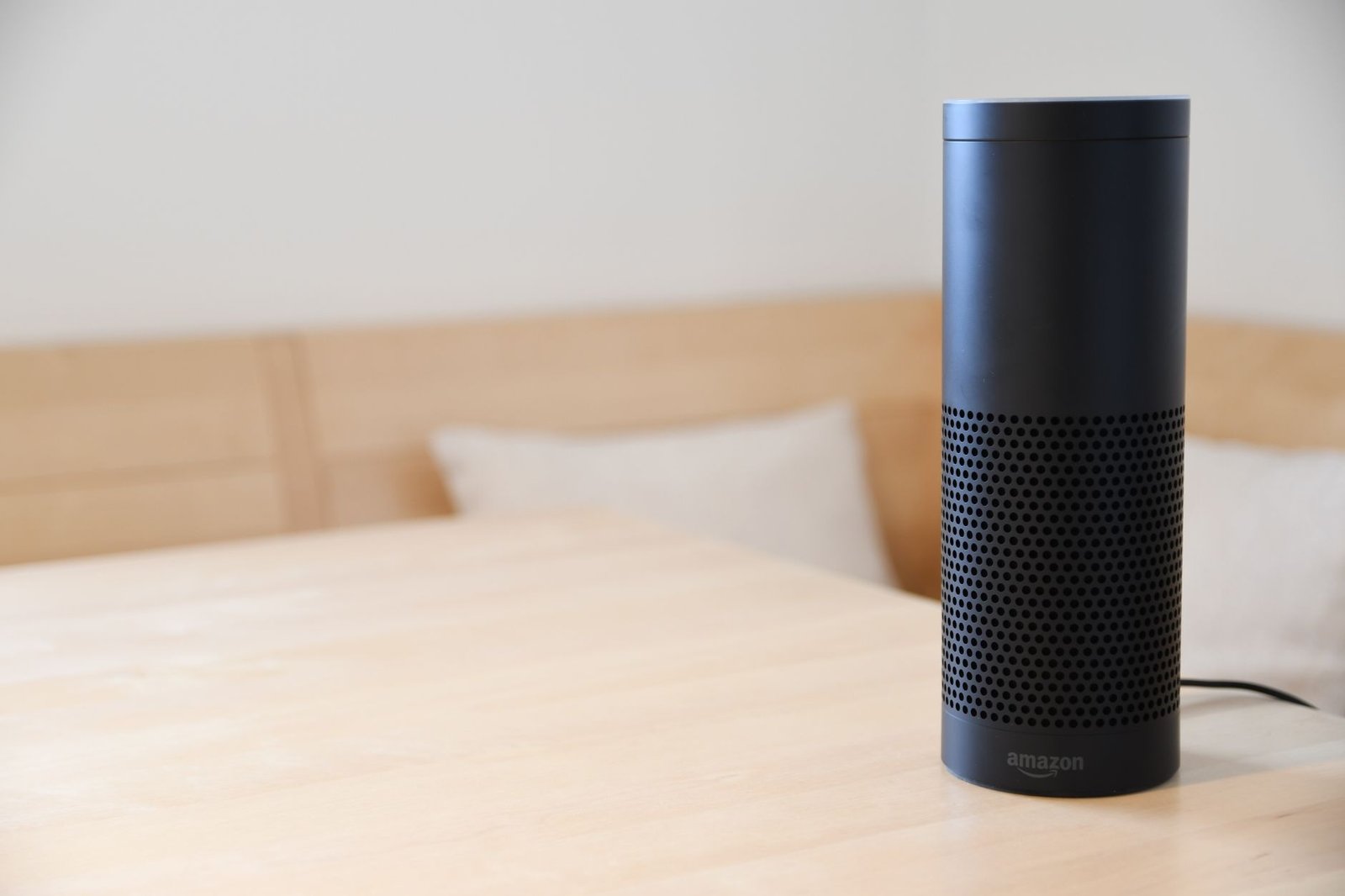
Imagine your house reacting intelligently to your voice commands, powering up based on your mood, or even suggesting dinner based on your day’s work. OpenAI appears ready to usher in such an intriguing reality with their latest **AI device**—an innovation that does more than just play your favorite tunes.
Key Takeaways
- OpenAI is developing a new AI device, speculated to be a smart speaker.
- The device is said to retail between $300 and $400.
- This technology will likely integrate advanced language models.
- OpenAI aims to innovate how we interact with digital environments.
- Competition is heating up in the smart home ecosystem.
Why Does This Matter?
Rumors are swirling that **OpenAI**, a leader in artificial intelligence research, is branching into the consumer electronics space. Their upcoming product, potentially a smart speaker, is expected to cost between $300 and $400. While this price range suggests a premium product, what’s driving the buzz is what it could signify for AI’s role in our daily lives.
The Evolution of Smart Speakers
Smart speakers are not new; devices like the Amazon Echo and Google Home have made significant strides in artificial intelligence integration. However, the **AI-driven smart speaker** from OpenAI hints at an unrivaled level of sophistication, leveraging their advanced language models to offer a more intuitive interaction than current market leaders.
Understanding Advanced Language Models
At the core of OpenAI’s innovations are **language models**—algorithms capable of understanding and generating human language. These models, like the famed GPT series, analyze vast amounts of text data to learn language patterns, context, and even subtle nuances. Imagine trying to explain a concept by drawing from a library of almost infinite examples—that’s essentially what these models do.
What Sets OpenAI Apart?
OpenAI’s tools have already shown their prowess in generating human-like text, but implementing this in a **smart speaker** could redefine user experience. Unlike current voice assistants that often require distinctly worded commands, future iterations could understand more natural, conversational language. It’s akin to chatting with a tech-savvy friend who anticipates your needs rather than a machine awaiting orders.
A Real-World Analogy
Picture this: You’re hosting a party, and the music subtly shifts from upbeat dance tracks to a mellow mix as guests wind down—without manual intervention. OpenAI’s smart speaker, by interpreting social cues and contextual clues, could automate such adjustments, creating seamless smart home experiences.
The Market and Competition
This development by OpenAI introduces a new contender into an already competitive market dominated by giants like Amazon, Apple, and Google. The question remains: Can OpenAI carve out a substantial niche? Their emphasis on language and understanding might appeal to users tired of rigid command structures, looking instead for a device that’s truly responsive.
Yet, with great innovation comes increased scrutiny over privacy concerns. OpenAI, renowned for their ethical approach to AI growth, will likely emphasize transparent data practices, ensuring users feel secure integrating such tech into their homes.
The Future of AI
As OpenAI ventures into this realm, the potential applications for such technology are vast. Beyond homes, future iterations could permeate sectors like **education, healthcare**, and even entertainment, offering tailored solutions powered by AI’s nuanced comprehension of human interaction.
The debut of OpenAI’s **AI smart speaker** could be a harbinger of changes in how we perceive and engage with artificial intelligence at home. As these devices grow more sophisticated, the line between technology and human interaction will blur, leading us toward an era where AI isn’t just a tool, but an ever-present partner in our lives.
