



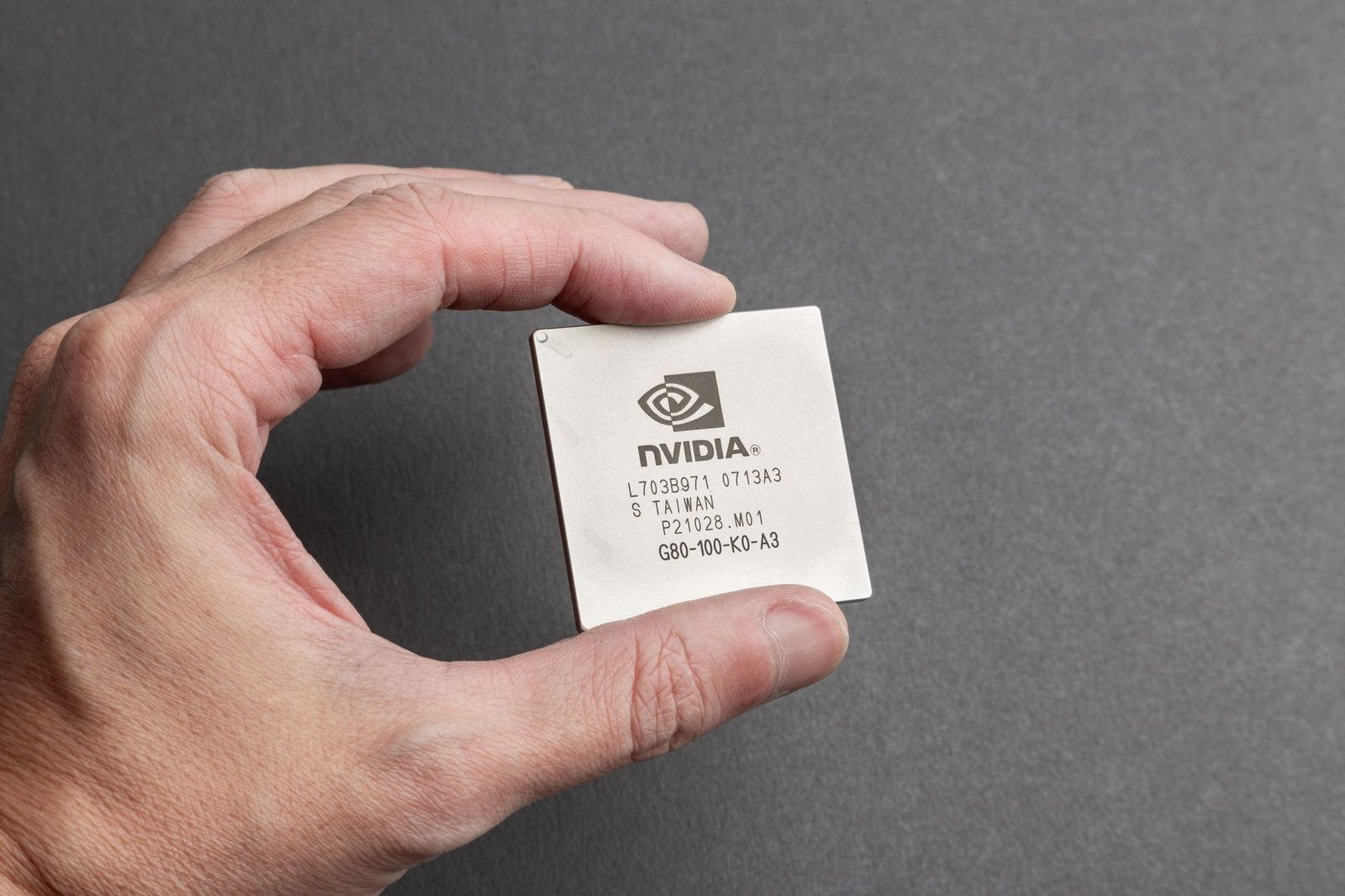
Imagine a world where AI systems anticipate your every need—before you even think of it. With Amazon’s recent strategic move, this future might be closer than you think. As Amazon significantly increases its order of Nvidia GPU chips, let’s explore what this means and why it matters.

Key Takeaways
- Amazon is committing to a massive influx of Nvidia GPU chips to power its AI-driven services.
- This decision reflects a growing trend in AI development and implementation across industries.
- GPUs are crucial for processing the vast amounts of data required for advanced AI applications.
- The partnership with Nvidia extends beyond just purchasing more chips; it represents a long-term strategic investment.
- This move could accelerate advancements in AI applications for consumers and businesses alike.
The Backbone of AI: Understanding GPUs
At the heart of this technological evolution is the **Graphics Processing Unit (GPU)**. Originally designed to handle graphics rendering, GPUs have shown unmatched prowess in processing extensive parallel tasks. Each **core** in a GPU can be likened to a mini-computer, and when thousands of these are working simultaneously, they excel at handling complex computations required for AI.
Think of a GPU as a nimble production line worker, capable of performing multiple intricate tasks at once, instead of a CPU’s more general capabilities. This makes GPUs indispensable for tasks involving **machine learning** and **deep learning**, where processing large datasets efficiently is key to developing smarter algorithms.
Why Amazon Needs More Power
The need for additional GPUs by Amazon underscores the surging demand for AI-powered services, from **voice-activated assistants** to **predictive analytics**. These chips will bolster Amazon’s data centers, serving as the crucible for experiments and innovations that define the AI landscape.
For instance, Amazon Web Services (AWS), a leader in cloud computing, relies on cutting-edge hardware to offer AI tools that empower developers worldwide. By tripling its Nvidia order, Amazon hopes to enhance its capability to deliver faster, more reliable AI services.
The Symbiotic Relationship with Nvidia
Amazon’s expanded relationship with Nvidia isn’t just about the hardware. It’s a strategic alignment geared towards pioneering advancements in AI technology. Nvidia, known for its innovative GPU architecture, collaborates closely with tech giants to push the envelope of what’s possible with AI.
This partnership highlights a shared vision for AI’s potential. By merging Amazon’s robust data collection and processing capabilities with Nvidia’s performance-driven hardware, the two companies are setting the stage for groundbreaking AI applications that could reshape various sectors, from healthcare to logistics.
Real-World Applications: Bringing AI to Life
Consider, for example, the way **autonomous vehicles** are revolutionizing transportation. These vehicles rely heavily on AI powered by GPUs to navigate, interpret real-time road data, and make split-second decisions. The same principles apply to Amazon’s ambitions: envisioning and shaping technologies that mirror the intuitive decision-making abilities of these vehicles.
Similarly, in the retail sector, AI-driven insights can optimize operations, enhance customer experiences, and personalize recommendations, though they require substantial computational power offered by enhanced GPU capabilities.
A Glimpse Into the Future of AI
Amazon’s strategic move to triple its order of Nvidia GPU chips signifies more than a business transaction; it’s a beacon of what’s to come. As AI continues to evolve, with increasing applications across diverse fields, companies like Amazon are building the infrastructure necessary to support and accelerate these changes.
Looking ahead, this investment might result in unprecedented breakthroughs in AI, transforming how businesses operate and how consumers interact with technology. Whether it involves refining existing systems or pioneering new frontiers, the future of AI stands on solid ground, with GPU technology helping to pave the way.
