



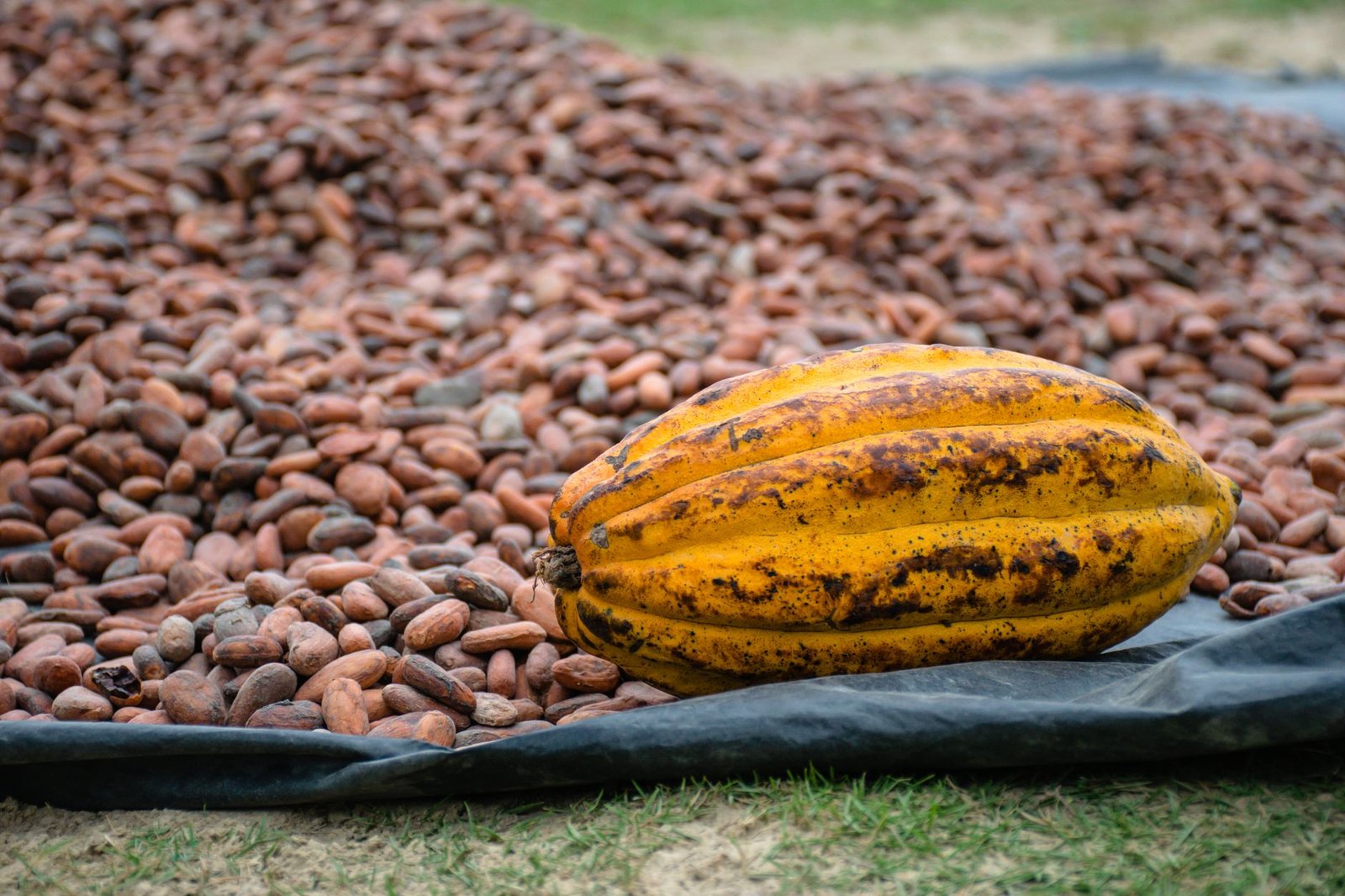
Imagine indulging in a cup of rich, exotic cacao—the precursor of modern chocolate—while living in an ancient civilization. A millennium ago, this was a reality in the region now known as northern Georgia. There, people savored cacao brought in from about 3,000 kilometers away in Central America. Such discoveries reveal more than just a taste for luxury; they highlight incredible trade networks and cultural connections of the time.

Key Takeaways:
- Cacao traces discovered in northern Georgia date back over 1,000 years.
- The presence of cacao indicates extensive trade routes reaching Central America.
- This discovery offers insights into the sophisticated civilization of the Mississippian people.
- Studying ancient trade can illuminate potential future patterns in global economic connections.
The Ancient Feast in Georgia
In what we now call Georgia, the Indigenous city of Etowah hosted grand feasts. At one such event around the 11th century, pots were used that contained traces of cacao. As a raw ingredient of chocolate, cacao was an exotic fruit from far-off tropical lands—an impressive feat for the time.
The Role of Archaeology
A team led by Adam King, an archaeologist from the University of South Carolina, discovered chemical residues and ancient DNA of cacao on the inner surfaces of potsherds from these feasts. Theobroma cacao, or cacao tree fruit, naturally thrives in tropical climates. The discovery of cacao in Etowah implies expansive trade routes that spanned vast distances, challenging what we previously understood about historical trade and exchange.
Cultural Significance and Trade Networks
The finding sheds light on the broader cultural and economic frameworks of the Mississippian people. They were not only builders of monumental mound structures but also had a taste for foreign delicacies and a sophisticated system enabling long-distance trade. One can equate this to the modern-day import of specialty goods, indicative not just of economic connections but cultural exchanges that contribute to societal sophistication.
Understanding Trade Dynamics
Trade was not merely about acquiring goods but also about creating relationships and connections. Just as today’s nations forge bonds through the exchange of goods and services, the Mississippian people developed integral societal relationships, advancing culturally and economically. This ancient network echoes the dynamics of today’s global marketplace, where materials and ideas circulate beyond borders, creating a web of intricate interdependencies.
Lessons for Future AI Technologies
As we progress into a future shaped by artificial intelligence, we can draw parallels between the complex trade systems of old and the way AI is spreading across different domains today. In the same way that cacao stimulated cultural growth, AI can catalyze advancements in areas ranging from healthcare to transportation.
The capability to build extensive networks and adapt to new inputs was crucial for the ancient Mississippians, and it remains vital today. **Artificial intelligence** technologies that can analyze big data are being developed to optimize these modern frameworks, potentially unveiling new pathways for innovation and collaboration.
Peering into the history of trade and cultural connectivity, we gain insights that prepare us for the transformative interactions AI promises in the future. As we continue to build and extend our own networks—technologically and culturally—understanding the past helps illuminate the roads ahead.
