



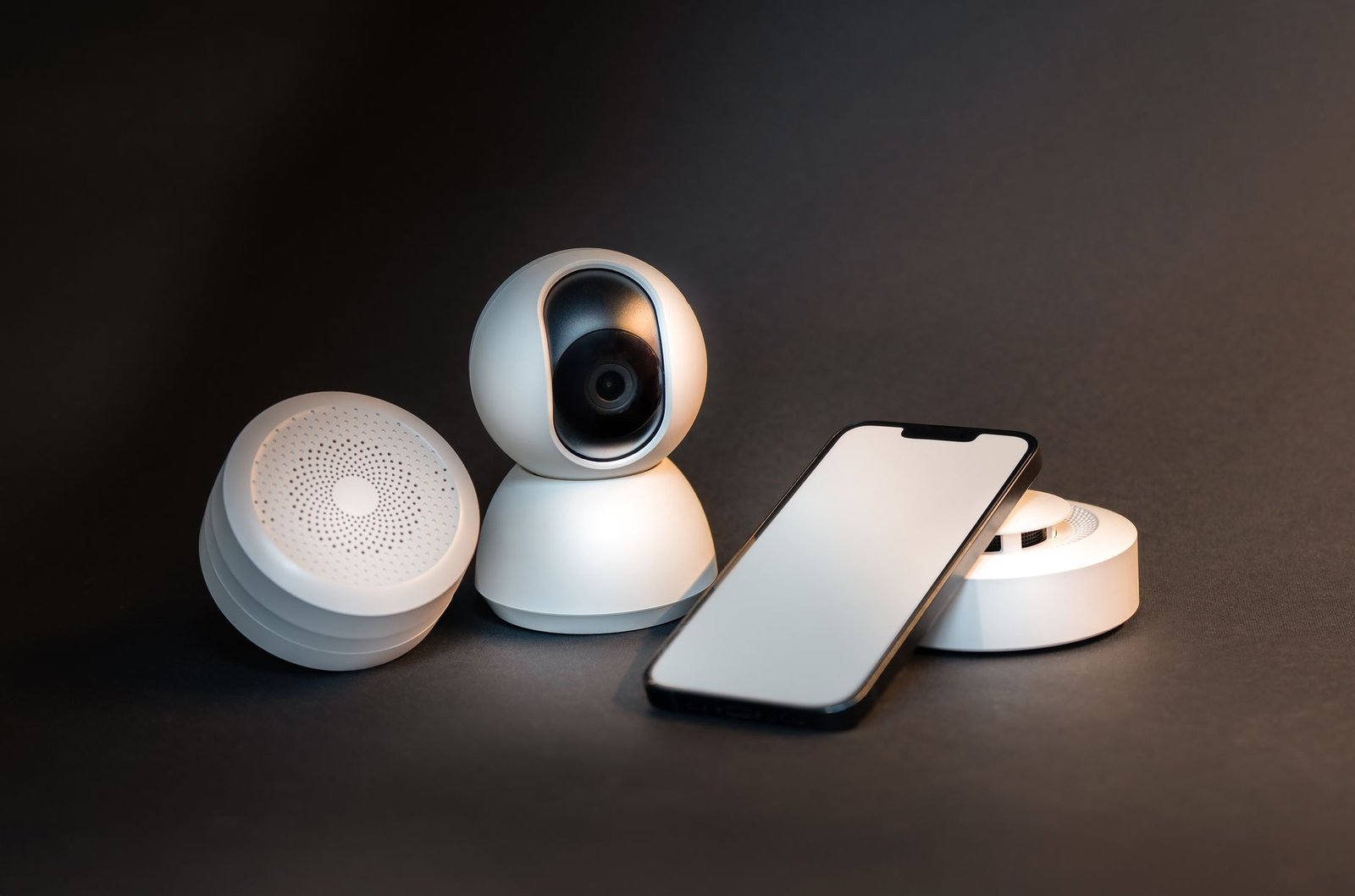
After years of anticipation, Apple’s Siri has finally transformed into the digital assistant we all hoped it would be. Yet, despite this significant leap in technology, the reaction appears muted. Why? Let’s delve into how Apple has revamped Siri, and why its evolution feels more like catching up than breaking new ground.

- Apple has significantly improved Siri’s functionality and intelligence.
- The update comes at a time when the AI assistant landscape is crowded with advanced competitors.
- Siri’s evolution highlights Apple’s focus on privacy and user experience.
- This raises questions about the balance between innovation speed and user trust.
- The future of AI assistants remains promising, with potential for personalized and smarter AI experiences.
What Changed with Siri?
Apple’s overhaul focused on enhancing Siri’s **capabilities** to make it smarter and more intuitive. The new Siri can now handle complex queries, offer more relevant information, and even understand context better. This means that Siri doesn’t just hear your commands; it comprehends them in a way that’s akin to having intelligent conversation.
Understanding Contextual Awareness
One of the most significant improvements is **contextual awareness**. Imagine having to ask a friend for directions, and they not only provide the quickest route but also suggest alternatives based on current traffic. Siri can now link commands together, understand the sequence in which questions are asked, and provide answers that build upon previous inquiries.
The Current Landscape of AI Assistants
Despite these enhancements, Siri’s update isn’t creating the waves it might have in earlier years. This is primarily because the AI assistant market has seen significant advancements from competitors like Google Assistant and Amazon Alexa. In this era, where **natural language processing** (the ability of a computer to understand human language) is becoming increasingly sophisticated, simply being capable isn’t enough to turn heads.
AI assistants are now expected to bring more than just utility; users want them integrated into various aspects of life, offering proactive assistance based on user behavior, preferences, and even emotions.
A Crowded Race
Picture a marathon where runners are continually pushing the boundaries of what’s possible. Siri, after lagging, has now accelerated its pace. However, as it sprints forward, it finds itself among other runners who’ve maintained a steady and leading pace. In this context, Apple’s achievement seems like catching up rather than breaking ahead.
Apple’s Unique Stance
One of Apple’s key differentiators is its unwavering commitment to **privacy**. While other tech giants may prioritize rapid innovation, Apple consistently weighs the potential impact on user data security. This approach reassures users about the safety of their personal information, even if it sometimes means innovation unfolds at a slower pace.
For instance, Siri’s **on-device processing** ensures that many actions are performed without data leaving the user’s device, minimizing the risk of data breaches or misuse.
Balancing Trust and Innovation
Apple’s recent updates prompt an essential question: How do companies maintain user trust while racing towards rapid advancements? Apple’s latest move proves that ensuring **user trust** is just as crucial as technological achievements in the AI domain.
The Road Ahead for AI Assistants
As we look to the future, the transformation of Siri is a stepping stone towards **more personalized AI assistants**. The horizon holds the promise of AI entities that don’t just execute commands but understand user nuances and offer anticipatory guidance.
What this evolution signifies is a world where AI assistants become an even more integral part of our daily lives, transcending beyond task execution to become true companions in decision-making processes.
In conclusion, while Siri’s latest update might not have shattered expectations, it reaffirms Apple’s commitment to delivering safe and intelligent digital experiences. As AI continues its explosive growth, the balance between advancement and user trust will define the next decade in technology.
