




Imagine a future where nuclear power could propel humanity deeper into the cosmos, making long-term space habitats a reality. That future edged closer recently with a groundbreaking launch from Miami-based City Labs, marking a significant milestone in space technology.
Key Takeaways
- City Labs launches BOHR, a satellite with unique nuclear power capabilities, into orbit.
- BOHR’s success could pave the way for nuclear-powered Moon bases and interplanetary travel.
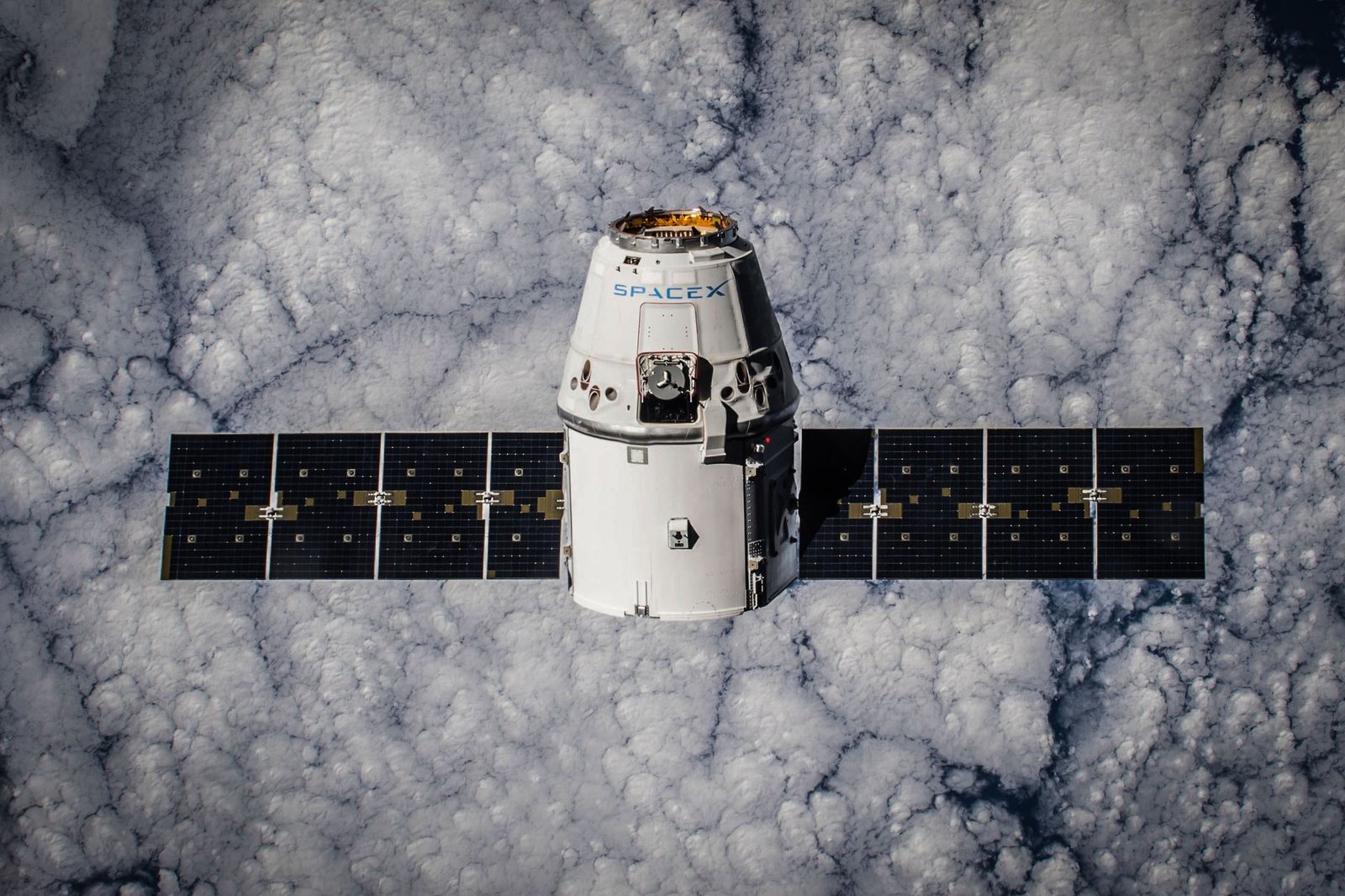
- The satellite was deployed via a SpaceX Falcon 9 rocket.
- This innovation represents a critical step in the commercialization of space-based nuclear power.
- Expect increasing interest in the potential of nuclear energy for space exploration.
Pushing the Boundaries of Space Power
City Labs has unveiled the BOHR satellite, standing for Betavoltaic Orbital High-Reliability, underscoring its pioneering ambitions in nuclear micro-power technology. Though small, its launch is a big leap forward in commercializing nuclear energy for space. The significance lies not just in the technology but also in the broader implications for sustainable energy solutions beyond Earth’s atmosphere.
Why Nuclear Power in Space?
Unlike traditional solar panels, which rely on sunlight and can be ineffective in dark or shaded environments, nuclear power offers a continuous and potent energy source. Imagine a flashlight that never dims; this is what nuclear power can do for satellites and potential lunar or Martian bases, providing a steady energy supply even in the absence of sunlight.
The Launch of BOHR
The BOHR satellite took flight as part of a SpaceX rideshare mission, a cost-effective way for smaller satellites to hitch a ride into space. Deployed by the esteemed Falcon 9 rocket, BOHR now orbits at altitudes ranging from 350 to 400 miles above Earth. Sharing the journey with 80 other payloads, it stands out for its unique energy capabilities.
A First Step Towards Scientific Revolution
This initial experiment with the BOHR satellite serves as a crucial proof of concept. While it doesn’t yet represent a full-fledged nuclear reactor, which could revolutionize space travel and lunar colonization, it marks the beginning of what could become a transformative era in space exploration. Consider it similar to how the first successful flight paved the way for modern aviation.
Real-World Applications
Think of how smartphones changed our daily lives; space-based nuclear power can revolutionize interplanetary travel and habitation. With a reliable energy supply, establishing a permanent base on the moon or a manned mission to Mars becomes feasible. This technological leap could not only fuel rockets for extended missions but also support complex life-support systems required for human survival in space.
The Broader Implications
The development of such technologies reflects a growing push to harness the unique benefits of nuclear power beyond terrestrial limits. By exploring nuclear technologies in space, we can also drive innovations that may have terrestrial applications, such as advanced power solutions for remote or disaster-stricken regions on Earth.
Looking Ahead: The Future of AI in Space Exploration
The launch of the BOHR satellite leaves us with tantalizing possibilities for the future. As we begin to harness nuclear energy for space travel, AI plays an increasingly vital role in managing complex systems and data processing tasks beyond human capabilities. The nexus of AI and nuclear technology could accelerate humanity’s steps toward becoming an interplanetary species, heralding an era where AI-driven analytics and insights optimize every aspect of long-haul space missions.
