



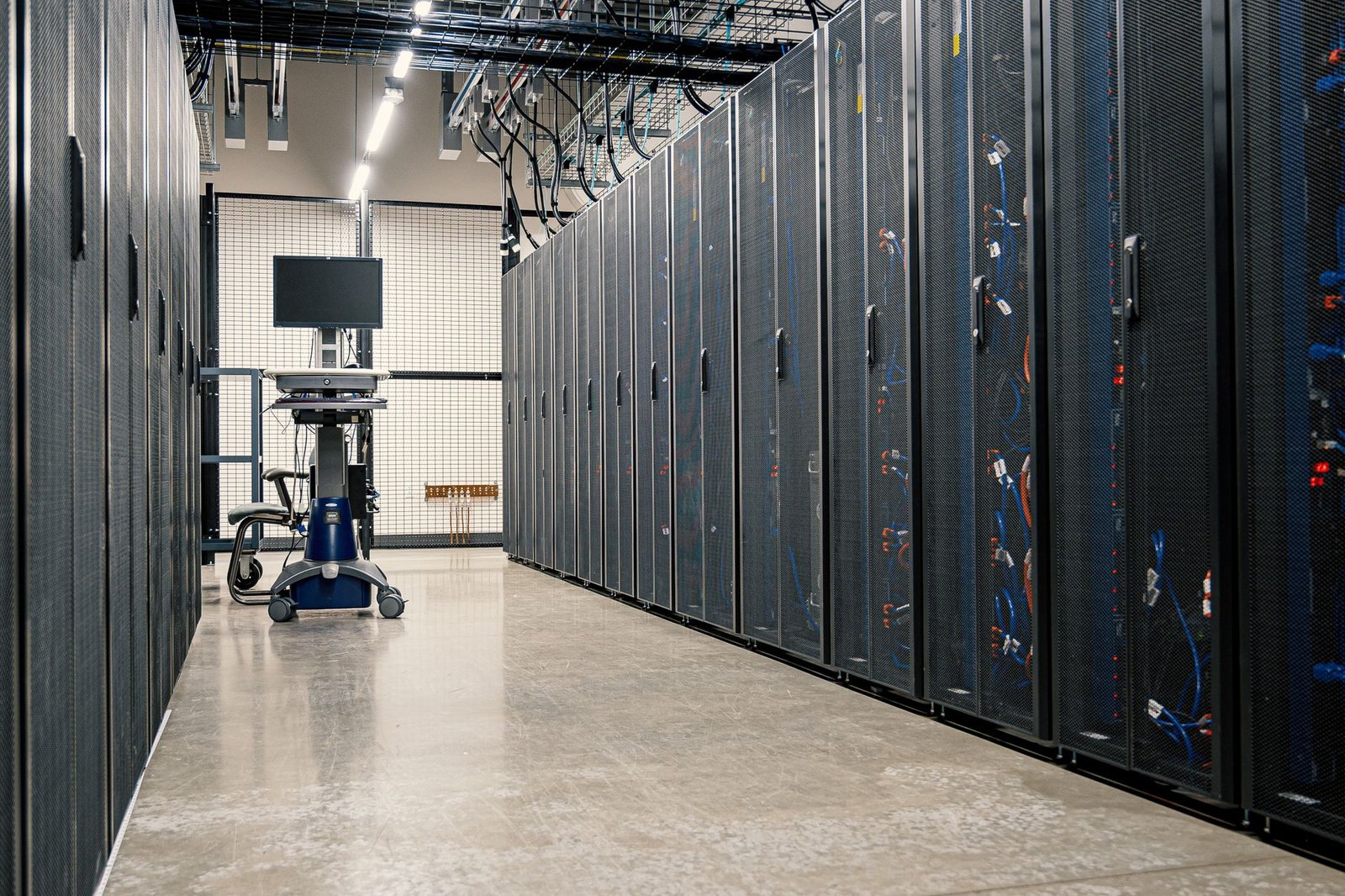
Imagine a modern world where the immense power of **data centers** could be temporarily dimmed to keep your everyday lights on. This isn’t just a speculative scenario—it’s a reality being navigated by grid operators in the United States.
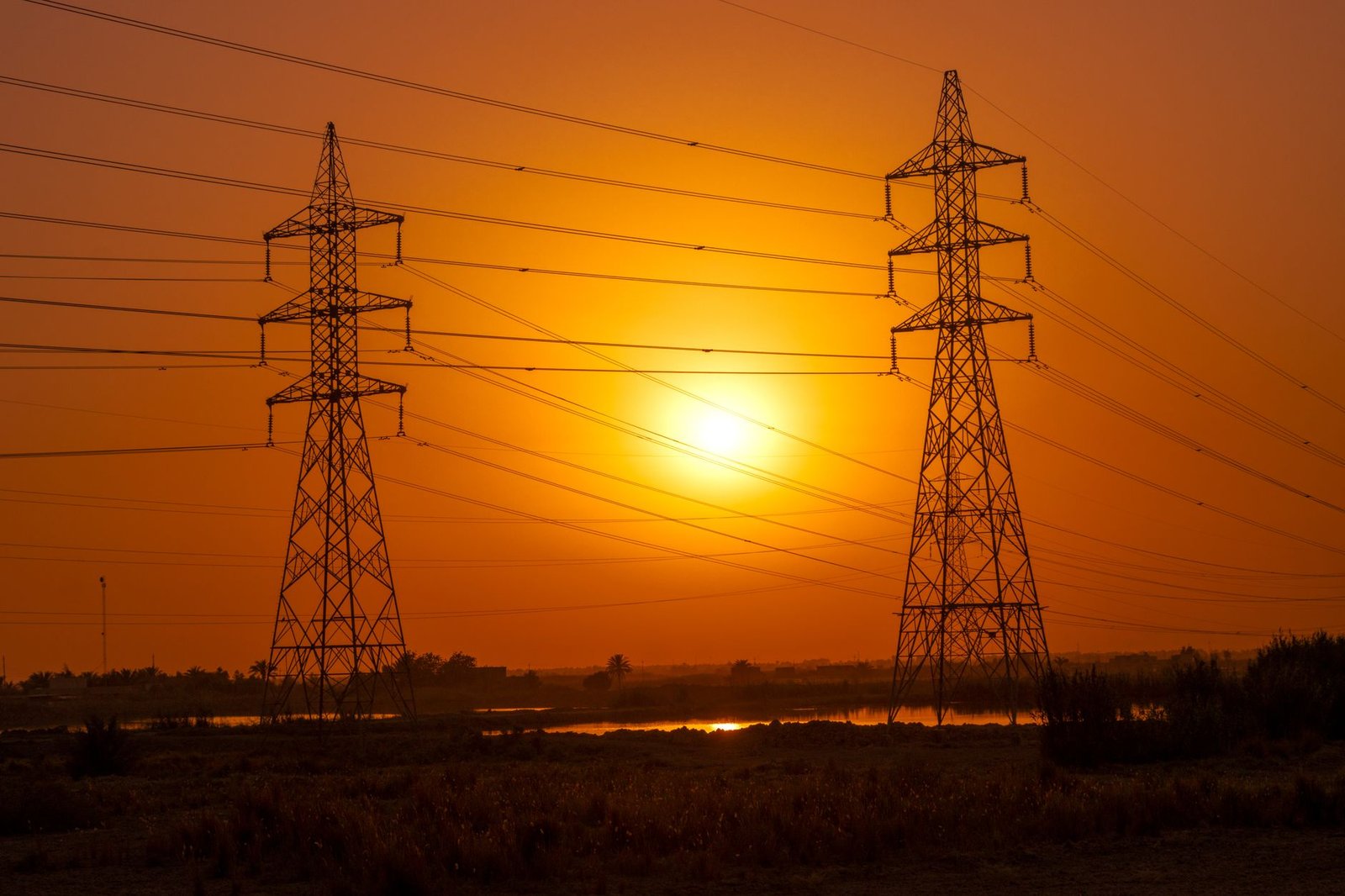
To provide an engaging insight into this growing challenge, here’s what you should know:
- Data centers are pivotal, but their rapid growth strains power grids.
- Power cuts for data centers are being considered to avoid widespread blackouts.
- The increasing energy demand of AI and data processing is driving these changes.
- Expect solutions that marry power efficiency with burgeoning data needs.
The Growing Energy Appetite of Data Centers
As technology weaves itself into every fabric of our lives, the role of **data centers** has become more crucial than ever. These hubs manage everything from your favorite social media content to the backend of business operations globally. However, with the **explosive increase** in AI applications, demand for data processing power is surging like never before.
But what actually constitutes a data center? Simply put, it’s a facility used to house **computer systems and associated components** like telecommunications and storage systems. They aren’t just a part of the digital world—they’re its backbone. Much like a busy city relies on a constant flow of electricity, online services depend entirely on the uninterrupted function of these centers.
Why Power Cuts Are Being Considered
When we consider the relentless pace of technological advancement, it stands to reason that power grids are under immense pressure to keep up with **energy demands**. However, the current infrastructure struggles to match the rapidly rising needs without risking blackouts, which could ripple across major cities serviced by the grid.
Here’s where the rubber meets the road. For example, imagine multiple skyscrapers suddenly demanding energy at the same time. If the grid can’t supply enough power, there’s a risk of overloading—the equivalent of too many devices trying to draw energy from a single extension cord. Such a scenario necessitates tough decisions, including potentially reducing power to data centers in crucial moments to ensure broader grid stability.
Balancing Power and Progress
The challenge presents a paradox: data centers are essential for the **digital economy** and the progression of AI technologies, yet their growing energy footprint demands sustainable solutions. Much like juggling many balls, operators of the largest power grids in the U.S. face the challenge of equitably managing their resources.
**AI advancements**, particularly in machine learning and large-scale computations, require substantial resources. Yet, this doesn’t sideline the importance of innovating towards more **power-efficient alternatives**. Some solutions being explored include optimizing algorithms for energy efficiency and implementing cutting-edge hardware that demands less power.
A Real-World Illustration
Consider the situation akin to a booming construction project in a bustling city. As more skyscrapers rise, the demand for resources escalates, leading to potential resource bottlenecks. Similarly, data centers’ growth challenges our energy infrastructure, prompting an urgent need for forward-thinking strategies that can accommodate growth without sacrificing stability.
Looking Ahead: A Path Forward
As we journey further into a future dominated by **AI innovations**, it’s crucial to explore which pathways promise a sustainable equilibrium. The prospective **solutions lay in cutting-edge research** targeted at creating smarter, energy-efficient data centers.
Moreover, partnerships between tech companies and energy providers may yield ingenious solutions to balance demand and supply effectively. What remains indisputable is that the path forward demands a concerted effort from all stakeholders—from policy-makers to technology developers—to ensure that as we harness technology’s potential, we do so responsibly.
The next decade will likely witness spectacular technological innovations, all powered by data centers. The real challenge lies in ensuring these advancements are accompanied by sustainable energy strategies, securing a brighter future for both our global communities and the intricate digital ecosystems that bind us together.
