


The world of Artificial Intelligence is buzzing with advancements like never before. Two game-changing innovations are setting new benchmarks: ChatGPT and Whisper APIs. These powerful tools have opened up enormous possibilities, simplifying how we interact with machines and expanding the horizons of AI applications. Dive into this immersive experience of what these technologies offer and how they can revolutionize the future.
- ChatGPT and Whisper APIs are reshaping communication between humans and machines.
- Both technologies enable developers to integrate advanced language and audio features into applications.
- Key features include natural language processing and real-time audio transcription.
- These tools are scalable, cost-efficient, and adaptable across industries.
- They pave the way for more intuitive user experiences and innovative solutions in AI.
Unveiling ChatGPT API
Imagine having a conversation with a machine that feels almost human. This is what ChatGPT offers. Developed by OpenAI, ChatGPT is an API that delivers powerful conversational capabilities, enabling developers to generate human-like text responses. It’s built on the robust GPT architecture, a generative pre-trained transformer model that learns from vast data sets.
Breaking Down the Complexity
When we talk about natural language processing (NLP), it refers to a field within AI focused on the interaction between computers and humans through natural language. What makes ChatGPT stand out is its ability to understand context, tone, and intent, a feat achieved through deep learning algorithms. This allows applications to offer more relevant and coherent responses.
Consider ChatGPT like a digital bilingual friend who can fluently converse in different languages and styles. This ability extends its usage from customer service bots to creative content generation, making it highly versatile.
Introducing Whisper API
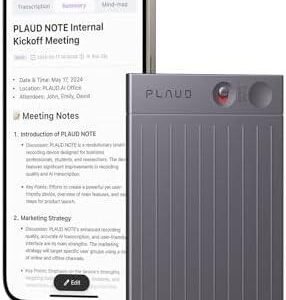
Complementing textual interactions, Whisper API empowers developers to integrate advanced audio processing capabilities into their applications. Whisper specializes in audio-to-text conversion, simplifying transcription tasks and making them more accessible and efficient.
The Mechanics of Whisper
Let’s break it down: Whisper operates using a deep learning architecture adept at analyzing spoken words and converting them into written text. Its high accuracy stems from being trained on diverse audio samples, allowing it to transcribe different languages and dialects effectively.
The utility of Whisper can be likened to having a supercharged transcription assistant that doesn’t just convert speech to text but understands nuances such as background noise and accents, ensuring clarity and precision.
Real-World Applications and Impact
Imagine a healthcare app that uses ChatGPT to provide real-time patient responses and Whisper to accurately transcribe doctor-patient interactions. These APIs not only streamline operational tasks but also enhance the accuracy and reliability of information delivery, essential in high-stakes environments like healthcare.
By incorporating advanced language models and audio processing tools, businesses can create customized solutions that adapt to users’ needs, resulting in enhanced customer satisfaction and operational efficiency.
The Horizon of AI-Driven Solutions
What ChatGPT and Whisper signify is just the beginning. They herald a new era where AI becomes deeply integrated into everyday applications, driving personalized experiences and improving accessibility. As developers explore these APIs, the future of AI holds limitless potential for creating responsive, engaging, and intuitive systems that learn and evolve over time.
Ultimately, the journey these technologies embark on could redefine how we interact with machines, providing seamless and intelligent experiences that are yet to be fully imagined.
