

Imagine a world where coding is as easy as typing in your native language. This is the vision that OpenAI’s latest innovation, an AI-powered keypad, promises to bring to life. But is it the game-changer it appears to be? Read on to discover how this unique gadget might revolutionize how some programmers work, while leaving others scratching their heads.
- OpenAI’s AI keypad enhances coding with intuitive suggestions.
- It leverages machine learning to predict your coding needs.
- The device is particularly beneficial for speeding up repetitive tasks.
- Designed primarily for coders, but it could mystify non-coders.
- Could signify a significant leap in human-computer interaction for programming.
What Exactly is the AI Keypad?
The **AI keypad** is a compact, programmable device created by OpenAI designed to integrate AI capabilities directly into the coding experience. Think of it as an enhanced keyboard, specifically catered to help software developers by offering machine-intelligent suggestions and shortcuts. The keypad’s functionality extends beyond mere autocomplete features available in many code editors today; it actively anticipates your next move and adapts its suggestions accordingly.
How Does It Work?
The secret sauce of the AI keypad lies in **machine learning**, a branch of artificial intelligence where algorithms are trained to recognize patterns in vast amounts of data. This allows it to suggest code snippets or entire lines of code based on your previous inputs. Over time, as you continue using it, the device becomes smarter and more aligned with your coding habits and style.
Why Might Coders Love It?
For developers juggling tight deadlines and mountainous backlogs, the AI keypad is like having an extra set of capable hands. It can significantly increase productivity by reducing the time needed for repetitive and mundane tasks. Instead of typing each line of code manually, the keypad provides intelligent predictions, allowing developers to write code faster and with fewer errors.
A Real-World Example
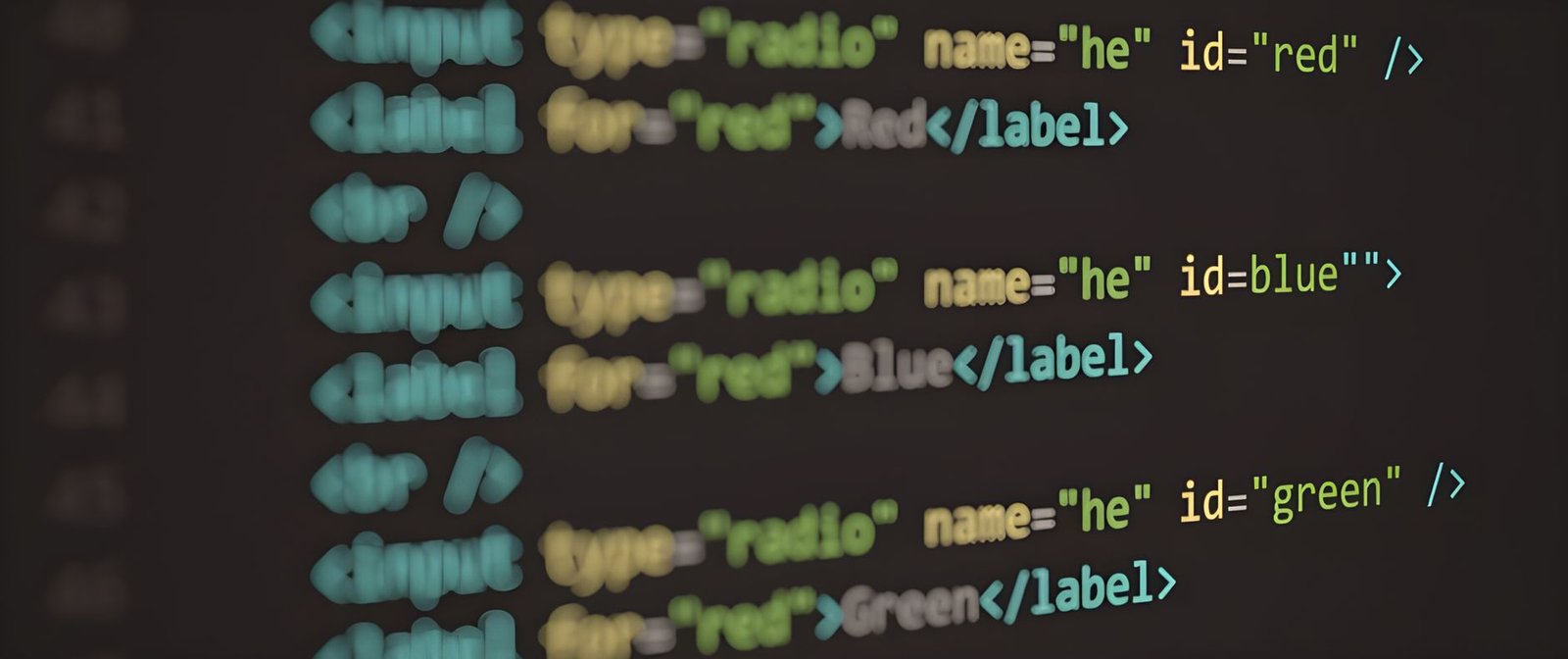
Imagine you’re a developer working on a web application. You’ve spent hours repeating similar code structures for different sections. With the AI keypad, as soon as you type the first few characters of a common structure, it predicts the remainder, letting you insert the whole piece of code instantly. This not only reduces keystrokes but also minimizes the mental overhead of remembering every tiny detail.
Why It Might Be Mystifying for Others
However, not everyone will find the AI keypad immediately intuitive. Non-coders might view the tool as a mystery, given its specialized functionality tailored for programming tasks. While it’s designed to support coding, its focus and utility may not extend to everyday PC users. Furthermore, some seasoned programmers might question relying too heavily on AI for crafting code, as understanding the logic and flow is crucial in high-quality software development.
The Future Implications
The introduction of tools like the AI keypad hints at an exciting evolution in human-computer interaction, particularly within **software development**. As more developers adopt these technologies, there could be a significant shift towards more intuitive, AI-driven interfaces in various programming environments. This could eventually broaden the accessibility of coding, enabling more people to engage in software creation with less traditional training.
In conclusion, OpenAI’s AI keypad is more than just a fancy gadget; it’s a glimpse into a future where technology plays a more active role in creative processes. For some, it represents a paradigm shift in how software is crafted. As AI continues to weave itself into the fabric of daily life, such tools may become standard, pushing the boundaries of what’s possible in AI-assisted creativity. The real question is, how ready are we to embrace this change?
