



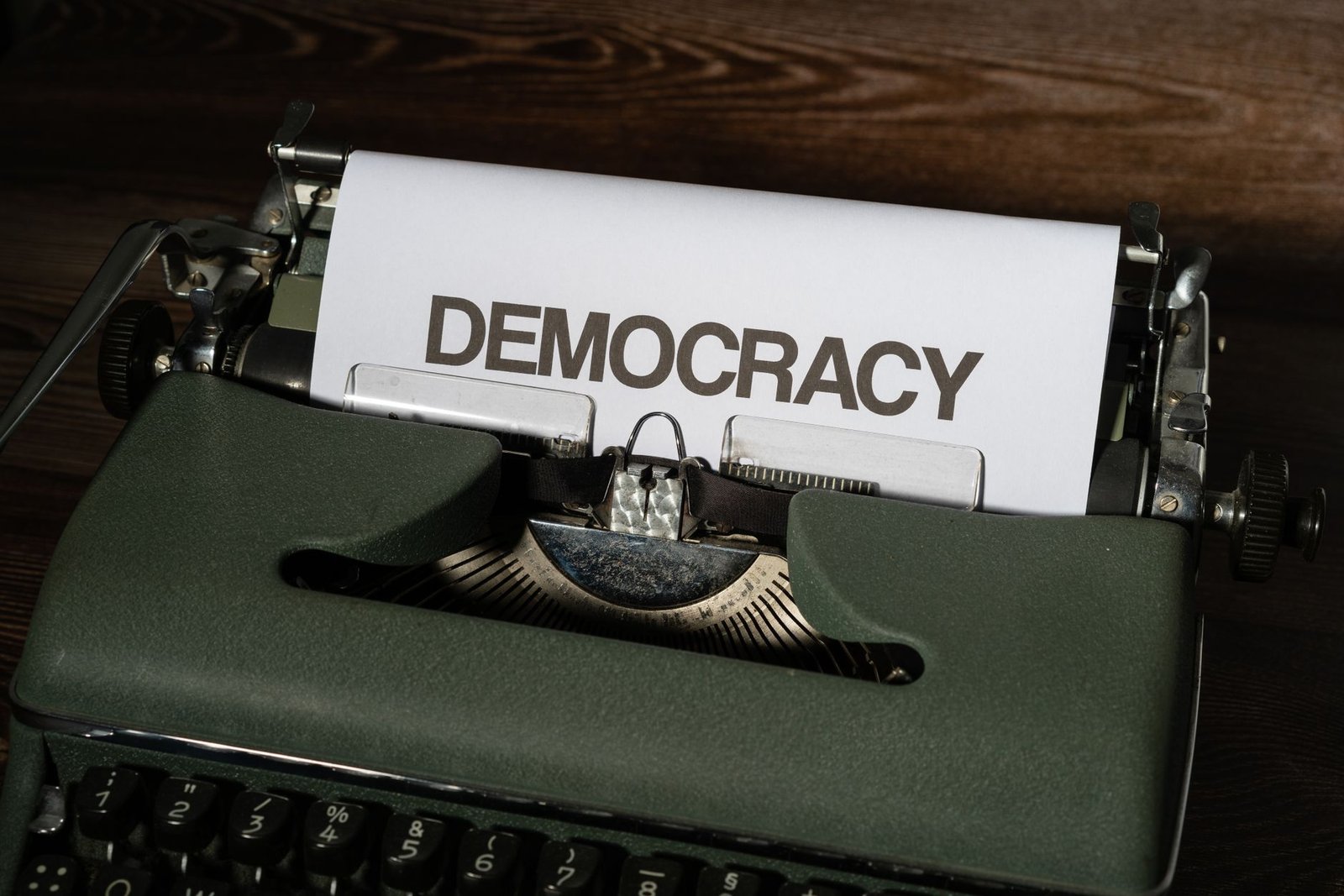
In a significant turn of events, the pursuit of privacy and journalism took center stage as the **Department of Justice** retracted its attempt to seize phone records from **New York Times** reporters. This move followed a stern critique from a federal judge, illustrating the ongoing battle between governmental authority and press freedom.
Key Takeaways
- The **Department of Justice** withdrew its demands for reporters’ phone records.
- US District Judge Arun Subramanian played a pivotal role in scrutinizing the DOJ’s actions.
- The case highlighted tensions between government power and journalistic independence.
- Technology and law intersect differently in the digital age compared to previous standards.
- The outcome may influence future cases concerning press freedom and source confidentiality.
The Struggle for Source Confidentiality
This legal drama unfolded around journalists who reported on the speculative security risks of an aircraft provided to the Trump administration by Qatar. It brings critical issues to light: the **protection of journalistic sources** and how such protection clashes with government interests. But what exactly is at stake here?
Journalists often rely on confidential sources to unveil truths that may otherwise remain hidden. The sanctity of this confidentiality is vital; it forms the backbone of investigative journalism. This clash with the government stemmed from a desire to uncover who these sources were, but Judge Subramanian’s firm position put the brakes on these efforts.
The Role of the Judiciary in Ensuring Balance
During the hearing, Subramanian didn’t mince words while examining the Justice Department’s intent, essentially drawing a line on what the government can demand from the media. His grilling of the legal team lasted nearly an hour, marking his disapproval of the excessive reach into press activities. This case exemplifies how in a world where technology easily records and stores vast amounts of data, legal frameworks need to evolve to protect the core principles of democracy.
Data Privacy in the Digital Age
As technology advances, so does the complexity of maintaining privacy. Personal data like **phone records** can be revealing and are especially sensitive when linked with journalistic pursuits. Imagine a digital footprint as a trail of breadcrumbs, leading investigators to the doorstep of the source. The key question is: how do we ensure these trails are protected in order to maintain a free press?
The pressing need to balance transparency, security, and privacy demands fresh approaches. For instance, consider the analogy of a lock and key. In the digital sphere, new locks (privacy regulations) must be created to safeguard a well-disguised key (the journalist’s source). The framework around this needs consistent updates as new privacy challenges emerge.
The Broader Implications for Ai and Data Handling
AI plays a transformative role in how data is managed and analyzed. Algorithms can sift through millions of records at blazing speeds, potentially identifying sources based on metadata alone. As AI technology continues to evolve, there must be careful implementation to ensure it does not infringe upon civil liberties. Lawmakers and tech developers must work collaboratively to set ethical guidelines for AI applications, especially in sensitive areas like journalism.
Looking forward, this case sets a precedent that may reverberate through future legal challenges involving media rights and government access to digital data. As the boundaries between privacy and technology continue to shift, the way we handle information today will shape the journalism landscape of tomorrow. It’s a critical juncture where AI can either serve as a guardian of privacy or a watchdog of intrusion, depending on how its capabilities are harnessed.
