



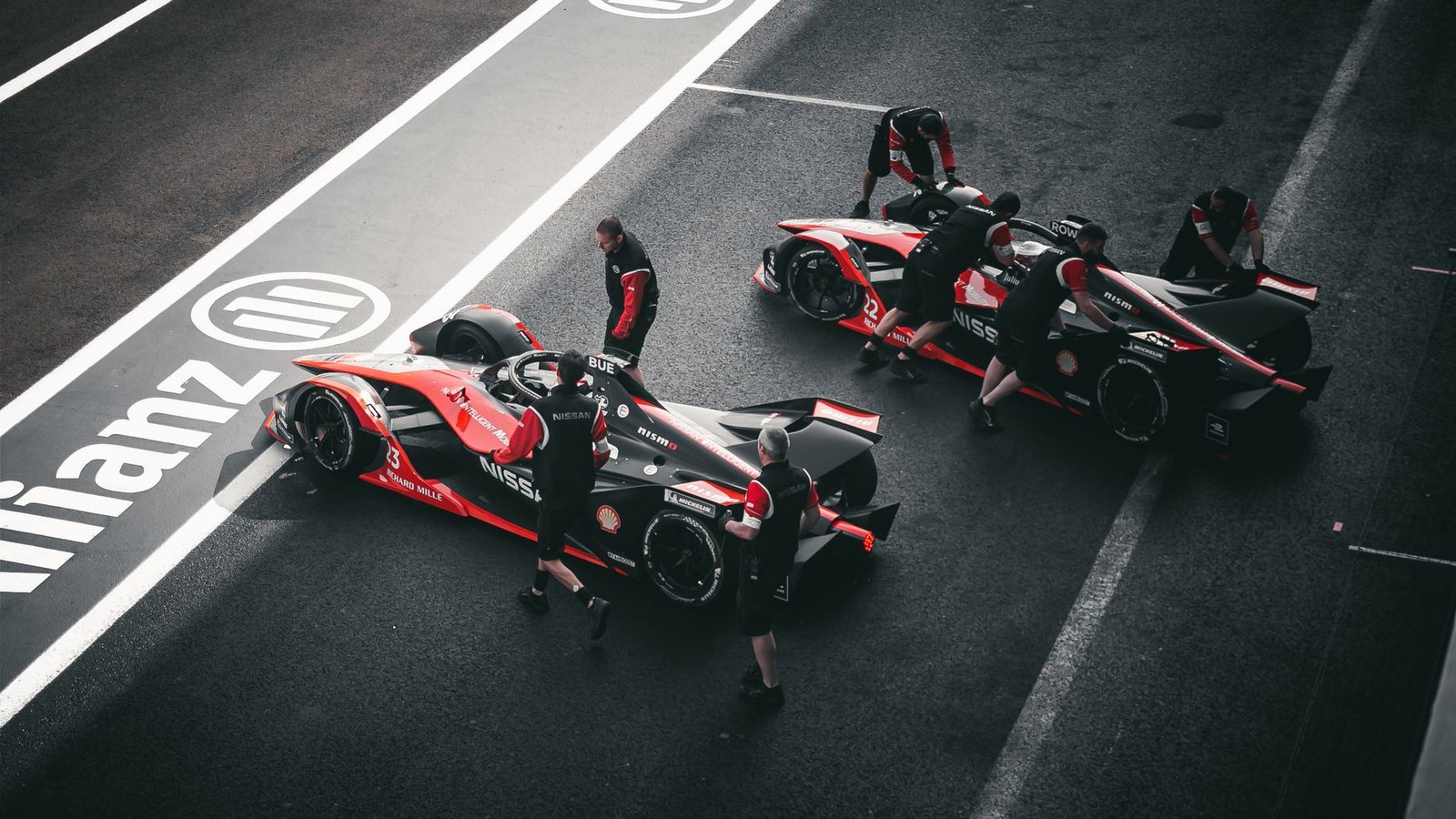
Imagine a world where electric race cars not only exist but are outpacing the gasoline-fueled powerhouses we’ve admired for decades. That’s the reality Formula E is ushering in with its latest innovations.

Key Takeaways
- The new GEN4 car in Formula E can rival the power of Formula 1 cars.
- Season 12 starts in December 2026 with a 21-race schedule.
- Several traditional race tracks are now part of the Formula E circuit.
- The GEN4 car presents new opportunities and challenges for track selection.
- Advancements in electric vehicle technology are driving this evolution.
A New Era of Racing
As Formula E completes its current chapter, a technological revolution is set to unfold with the introduction of the GEN4 car. This new single-seater electric vehicle is expected to redefine what we know about competitive racing. Imagine an EV that can outstrip some of the fastest cars on the planet—that’s the power and potential of GEN4. However, with greater speed comes the need for more suitable race environments. Older circuits may no longer accommodate the advanced capabilities of these cars.
Expanded Season and Locations
Marking the future with a bold statement, Formula E unveils a 21-race lineup spanning 13 cities for its 12th season in 2026–2027. Pulling in tracks traditionally reserved for its rivals, the circuit now features classic racing locations. The season kicks off with a double-header in Saudi Arabia on December 18 and 19, the only events for 2026. As the calendar flips to 2027, the competition intensifies across America. Racers will face the Mexico City circuit on January 16, the Circuit of the Americas in Texas by February 7, and then head to the Miami International Autodrome on February 20.
A Shift to Traditional Tracks
This season introduces tracks usually associated with Formula 1, a move that illustrates Formula E’s evolution. By adopting grand circuit venues, such as the Circuit of the Americas, known for its high-speed straights and complex turns, the sport showcases its growth and enhanced capabilities. The inclusion of these tracks not only boosts the sport’s global appeal but also its technical demands, pushing teams and drivers to adapt swiftly.
Why Traditional Tracks?
As speeds rise, the landscape of eligible venues must evolve. Traditional tracks offer the necessary infrastructure and safety features to support increased velocities and competitive dynamics. It’s akin to moving from a small backyard go-kart track to a massive roller coaster with higher loops and faster drops. These professional tracks meet the security and performance standards needed to fully realize the potential of the GEN4 car.
The Technology Behind GEN4
This advancement in Formula E isn’t just about speed. The technological innovations integrated into the GEN4 vehicle highlight the incredible progression of electric vehicle engineering. From improved battery lifespan to enhanced aerodynamics, these cars are crafted to leverage every bit of electrical efficiency. Overcoming the traditional limitations of electric motors, such as weight and energy density, the GEN4 demonstrates how electric technology can revolutionize not just transportation but high-stakes racing.
Electric racing in this form becomes more than a sport; it turns into a living laboratory for electric vehicle advancement, turning podiums into proving grounds for future consumer EV technology.
The Road Ahead
The developments in Formula E signal a future where electric power isn’t just viable but desirable and preferred in various applications, including transport and industry. As this sport gains momentum, it underscores a broader shift in technology and society toward sustainable innovation. These race-tested electric technologies could soon make their way into your driveway, transforming everyday vehicles with unparalleled efficiency and performance.
In essence, the rise of Formula E’s GEN4 is more than a blip on the racing circuit; it’s a beacon lighting the path to a future where speed and sustainability go hand in hand.
