


Imagine having a digital assistant that not only answers your questions but actively works alongside you, managing tasks and troubleshooting problems in real-time. Salesforce’s revamped **Slackbot** is stepping into this role, transforming the landscape of workplace automation and challenging tech giants like Microsoft and Google.
Key Takeaways:
- Slackbot has evolved from a simple notification tool to a sophisticated **AI agent**.
- Its **integration with enterprise data** enables complex task management and decision support.
- **Anthropic’s Claude** powers Slackbot, with plans to integrate more AI models from major players like Google.
- Early testing within Salesforce shows high adoption and significant productivity gains.
- Salesforce envisions Slackbot evolving into a central hub coordinating multiple AI tools.
From Notifications to Genuine Assistance
In its early days, Slackbot handled basic tasks like reminders and notifications within Slack channels. Now, Salesforce has upgraded it into a full-fledged **AI agent**. Equipped with advanced search capabilities and **large language model (LLM)** technology, Slackbot can access and synthesize data from diverse sources such as sales records, cloud storage, and even historical chat logs.
A Leap Into the Future with Claude
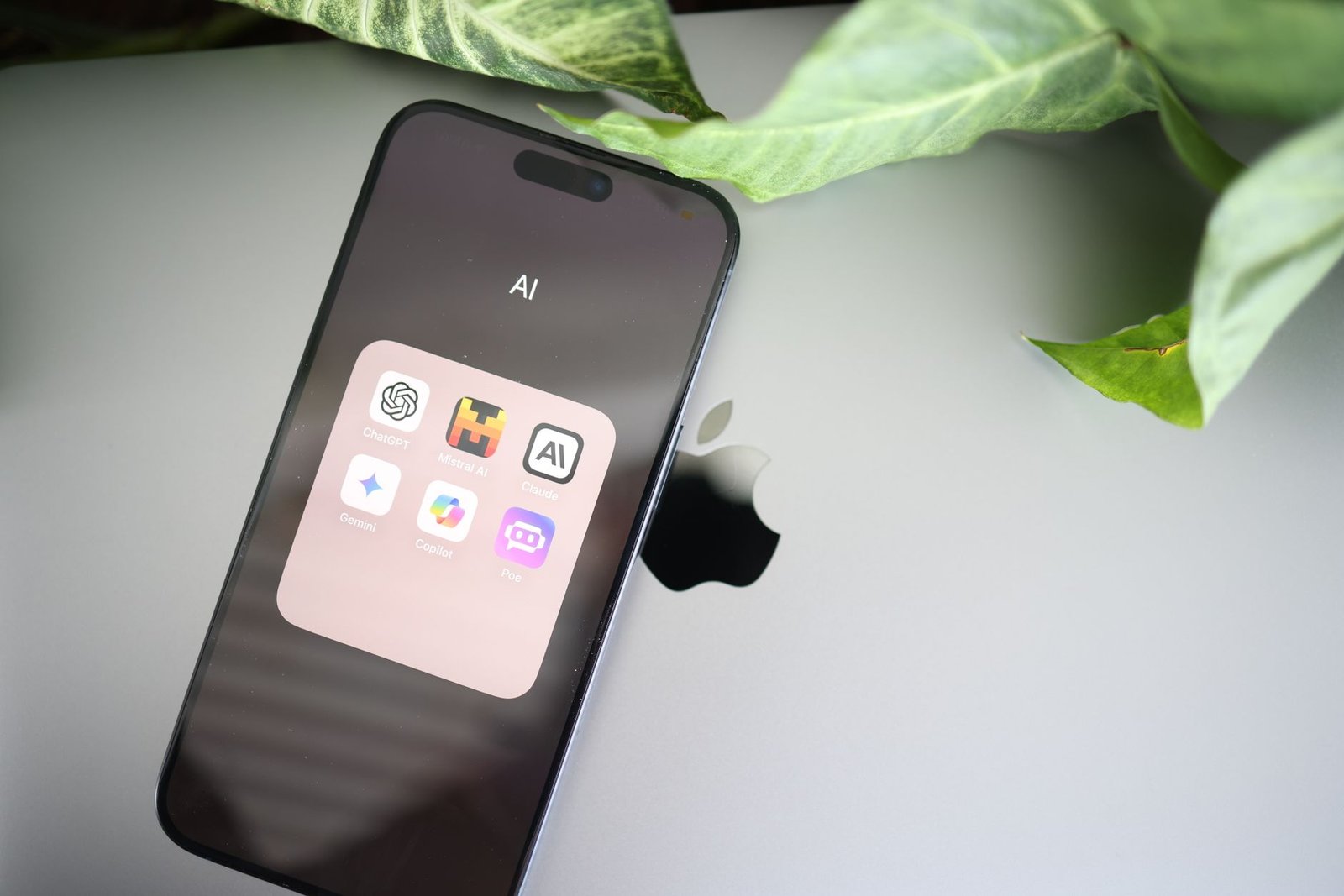
The new Slackbot leverages **Claude**, an AI model from Anthropic, initially due to its compliance with U.S. government standards. This ensures data security and privacy for federal clients. While Anthropic’s model leads the charge, Salesforce is exploring partnerships with others, including **Google’s Gemini**, known for its robust performance and cost-efficiency.
Real World Impact: Salesforce’s Internal Experiment
Internally, Salesforce arranged for 80,000 employees to beta test the updated Slackbot. The result? Over two-thirds used it, with 80% becoming regular users, reporting productivity increases and a 96% satisfaction rate—the highest of any AI feature within the company’s offerings.
From Simple Help to Executive Insights
Slackbot serves as a digital curator, transforming scattered enterprise data into coherent insights. For instance, it can analyze customer feedback, synthesize related data, and present conclusions in Slack’s **Canvas**, a collaborative document tool. This capacity allows users to swiftly move from analysis to action, enhancing decision-making processes.
Imagine your digital assistant could not only fetch reports but also discern trends within them—much like a savvy manager summarizing a lengthy meeting into a concise, actionable summary. This capability makes Slackbot invaluable in fast-paced corporate settings.
Competing Against Giants: A Unique Position
Facing rivals like Microsoft’s **Copilot** and Google’s **Gemini**, Slackbot’s biggest asset is its seamless integration within the existing Slack environment. This integration reduces the need for extensive setup or training, offering users immediate, contextual assistance while they work.
The Road Ahead: AI as an Invisible Partner
Salesforce’s vision positions Slackbot as a **super agent**, potentially collaborating with other AI agents to streamline tasks across an organization—a concept still in development but set to revolutionize how teams operate. As AI grows more embedded into everyday tools, Slackbot is poised to advance, driving efficiency and heralding a new era in workplace productivity.
Looking ahead, the reshaping of work through AI agents like Slackbot suggests a shift away from traditional software toward conversational interfaces and proactive digital assistance. As these technologies mature, the dream of a truly intelligent, unobtrusive digital assistant becomes ever more attainable, marking an exciting evolution in how we work.
