



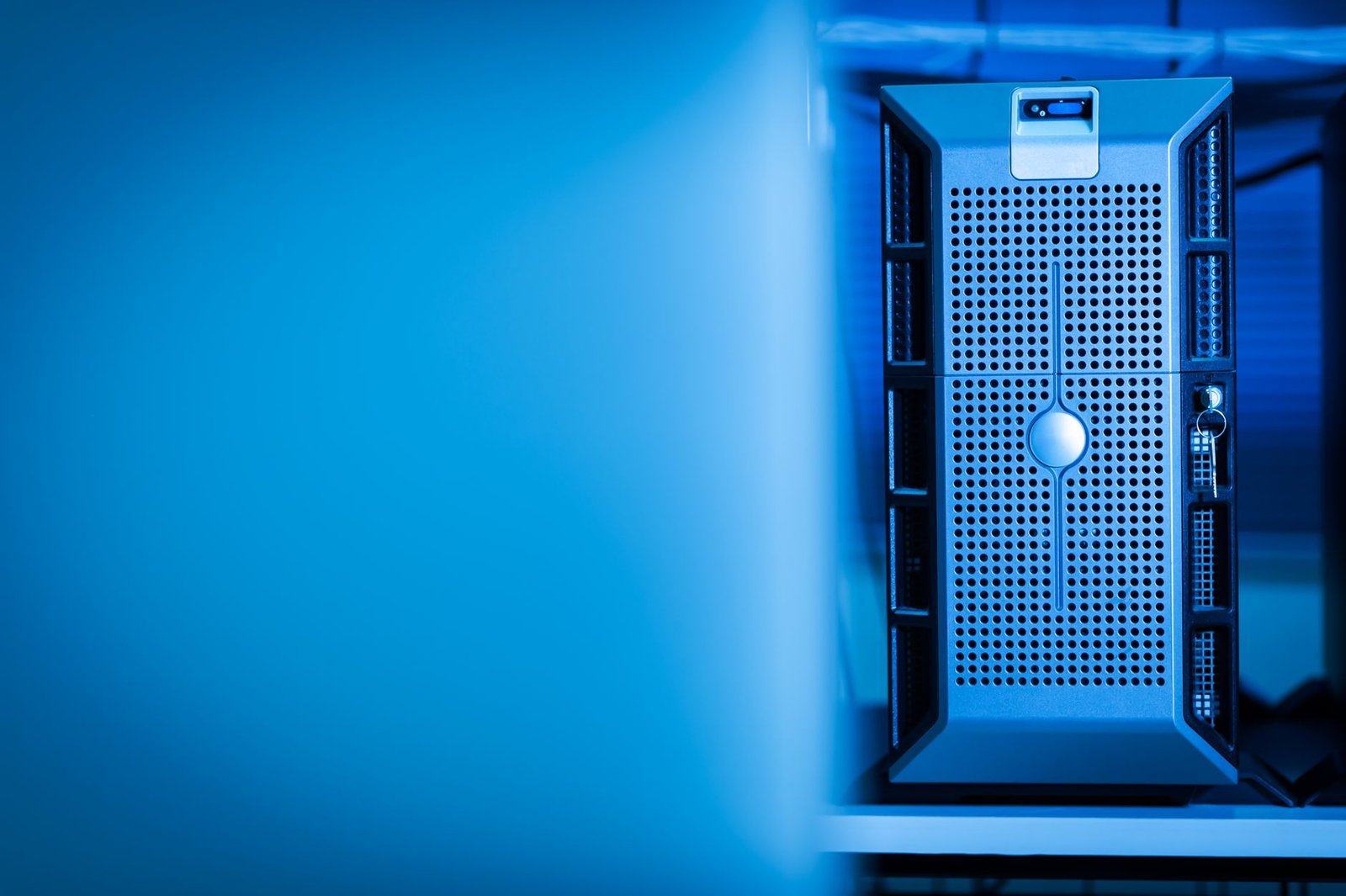
The relentless march of artificial intelligence (AI) is pushing technology boundaries to their limits. An often-overlooked aspect of this push is the infrastructure that supports these computing behemoths, particularly data centers. Nvidia, a leader in AI hardware, is now turning heads with its innovative approach to cooling these facilities, promising less water use without compromising performance.

Key Takeaways
- Nvidia’s new data center design significantly reduces water and power consumption.
- Liquid cooling is replacing traditional methods to handle rising heat.
- Concerns remain about the construction and energy needs of these facilities.
- Costs of implementing this new design are yet to be fully disclosed.
- The innovation marks a step forward for sustainable AI infrastructure.
Revolutionizing Data Center Cooling
Data centers, the backbones of our digital world, are notorious for their heavy resource consumption. Traditional cooling systems gulp vast amounts of water and energy to maintain optimal temperatures. As AI workloads intensify, cooling requirements grow, too, leading to increased energy bills and environmental concerns. However, Nvidia’s latest **Rubin generation** reference design proposes a **fully liquid-cooled data center** that tackles these challenges head-on.
A Fiery but Cool Approach
In this new design, Nvidia shifts away from air cooling, where chilled air circulates to absorb heat. Instead, **liquid cooling** channels liquid directly to the heat sources. This method is akin to how high-performance car engines are cooled, using liquid instead of air to more efficiently draw away heat, without needing to blast cooling systems at full power.
The immediate benefit? You dramatically slash the **water usage** and energy consumption. No more vast cooling towers guzzling water; the system operates efficiently at higher temperatures, akin to letting a car engine run hot because it’s been engineered to withstand it. This makes the data center a more eco-conscious choice.
Challenges in the Data Center Evolution
Despite its promise, the design does not fully address all environmental concerns, especially those related to the **construction** and ongoing **power demands** of such massive facilities. Building these centers is energy-intensive, and they still require substantial electricity to run AI tasks.
Moreover, Nvidia’s announcement glossed over the **financial implications**. Transitioning to liquid-cooled designs may require significant upfront investment. For instance, a homeowner switching from an air conditioner to central cooling might experience an initial sticker shock, but long-term savings and system efficiency could offset the initial costs.
The Real-World Impact
One can’t help but wonder about the trickle-down effects. Imagine if data centers worldwide adopted Nvidia’s advanced cooling strategy: local governments worried about water shortages could find relief, while tech companies could advertise more sustainable practices, attracting environmentally-conscious consumers and investors.
The Horizon of Sustainable AI
As AI continues to reshape industries, the **sustainability** of its supporting infrastructure cannot be ignored. Nvidia’s breakthrough is more than just a technical advancement; it’s a paradigm shift encouraging other tech giants to rethink how they handle the growing demands of AI. As we look forward, the true test will be whether these practices become widespread or remain niche innovations.
In the years to come, marrying AI’s capabilities with eco-friendly infrastructure will not only reduce our environmental footprint but also drive forward the next wave of technological progress—ensuring the future we build is both smart and sustainable.
