




Imagine an AI gadget that not only understands your needs but now engages you in conversation. The AI wearable, Friend, has re-emerged more sophisticated than before, offering a chatty upgrade and a heftier price tag. Could this be the next big leap in interactive technology, or just another costly gizmo?
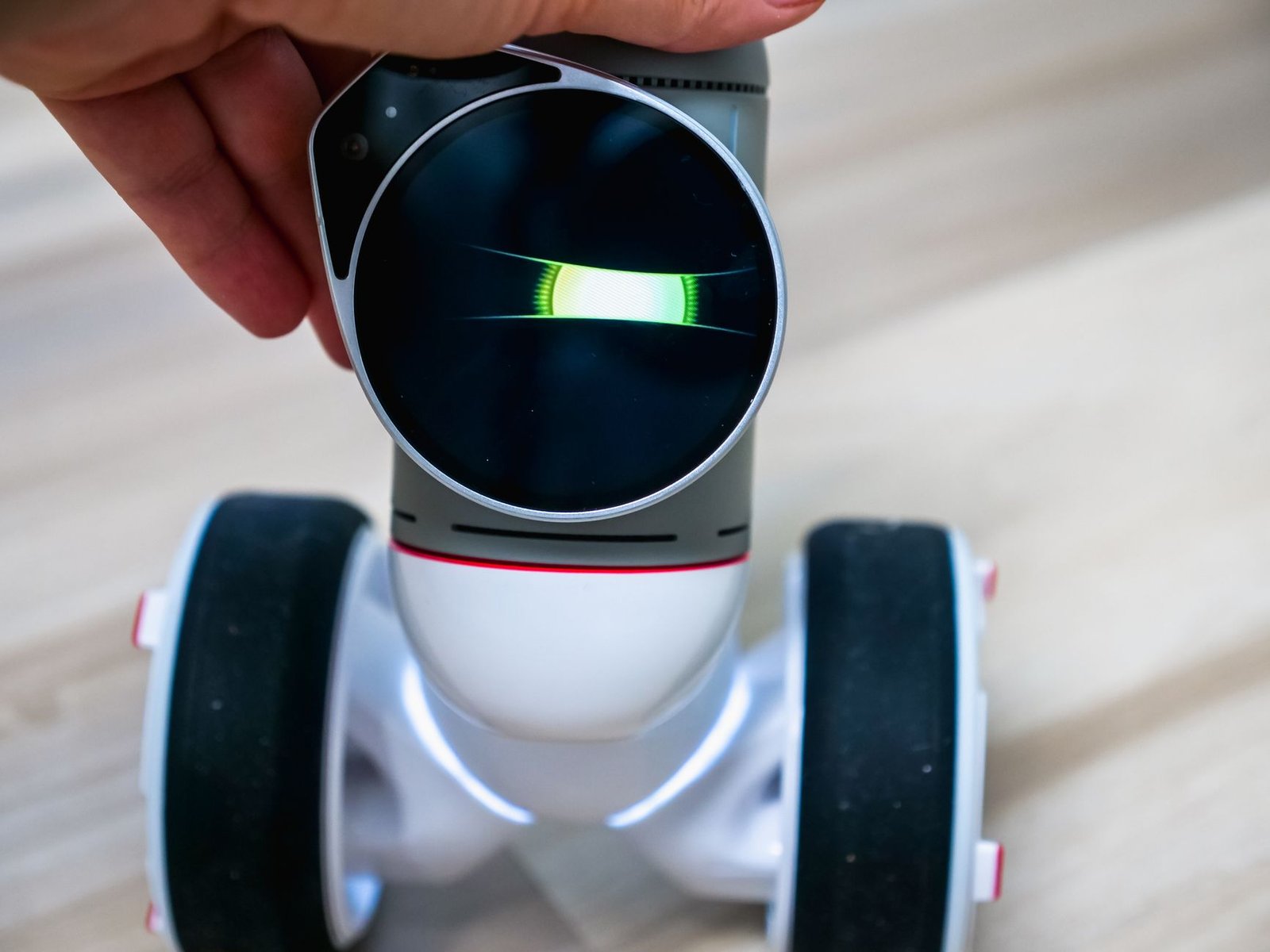
- Friend, the AI wearable, now features a conversational voice interface.
- Its new communication abilities come with an increased cost.
- The tech upgrade emphasizes natural language processing.
- Friend aims to make smart assistants more relatable to users.
- Future AI trends may involve more human-like interactions.
The Evolution of Friend: More Than Just a Gadget
Friend is an intriguing piece of technology that has gradually evolved from a mere wearable to a personal AI companion. With its latest update, it has adopted a conversational voice interface, allowing it to verbally communicate with its users. But what does this entail?
**Natural Language Processing (NLP)** is at the core of this new capability. NLP enables a computer to understand, interpret, and respond in human language, making conversations with Friend feel more like talking to a fellow human than issuing commands to a machine. This technology bridges the gap between digital interactions and human conversations, bringing a new level of intimacy and efficiency to device-user interactions.
A Cordial Companion or a Luxurious Frill?
While the latest update makes Friend more engaging and potentially more useful, it does so at a significant cost increase. This has sparked discussions about whether the added features justify the new price. Enthusiasts argue that the enhancements provide a more immersive user experience, making smart wearables more than mere tools but part of our everyday life.
Consider how **Siri** or **Alexa** have become household names, acting as digital helpers that manage our schedules, control our smart homes, and even entertain us. However, unlike these static devices, Friend aspires to be more interactive, constantly learning and adapting to better suit the personal preferences of its owner. This could represent a crucial shift in AI development, emphasizing deeper personalization.
Functionality: The New Chatty Friend
Friend’s vocal abilities are not merely aesthetic. They expand its functionality by allowing for smoother, more convenient interactions. Picture yourself out for a run; instead of fumbling with your phone to change tracks, ask Friend, and it will comply seamlessly.
The ability to **process spoken language efficiently** implies a more robust AI system capable of processing vast amounts of data and responding in real-time. This responsiveness is the result of advanced machine learning algorithms that allow Friend to “learn” from each interaction, improving its performance over time.
Why It Matters: The Changing Landscape of AI
The rise of such technology can be seen as part of a broader trend towards creating **more human-like AI experiences**. As AI continues to mimic human interactions more convincingly, the implications for everyday technology use and human engagement are immense. The potential benefits are vast, from improved accessibility for those with physical limitations to making technology feel less like technology and more like a supportive ally.
To imagine the impact of these advancements, think of Friend as a team member who doesn’t just follow orders but engages in meaningful collaboration, understanding nuances and providing intelligent insights. As such wearables and their technology continue to evolve, they could redefine our expectations from personal devices and offer new dynamics in how we interact with machines.
Looking Ahead: The Future of Interactive AI
As wearables like Friend become more conversational and expressive, it reflects a broader trend in AI technology toward creating solutions that are not just intelligent but emotionally intuitive. This shift doesn’t merely aim at functional enhancement but also strives to enrich individual experiences, fostering a unique bond between humans and technology.
The future could witness AI companions capable of forging deeper emotional connections, transforming how we interact with every bit of our digital landscape. As technology continuously advances, the boundary between human and machine becomes ever more nuanced, promising a world where digital and personal experiences are seamlessly intertwined.
