




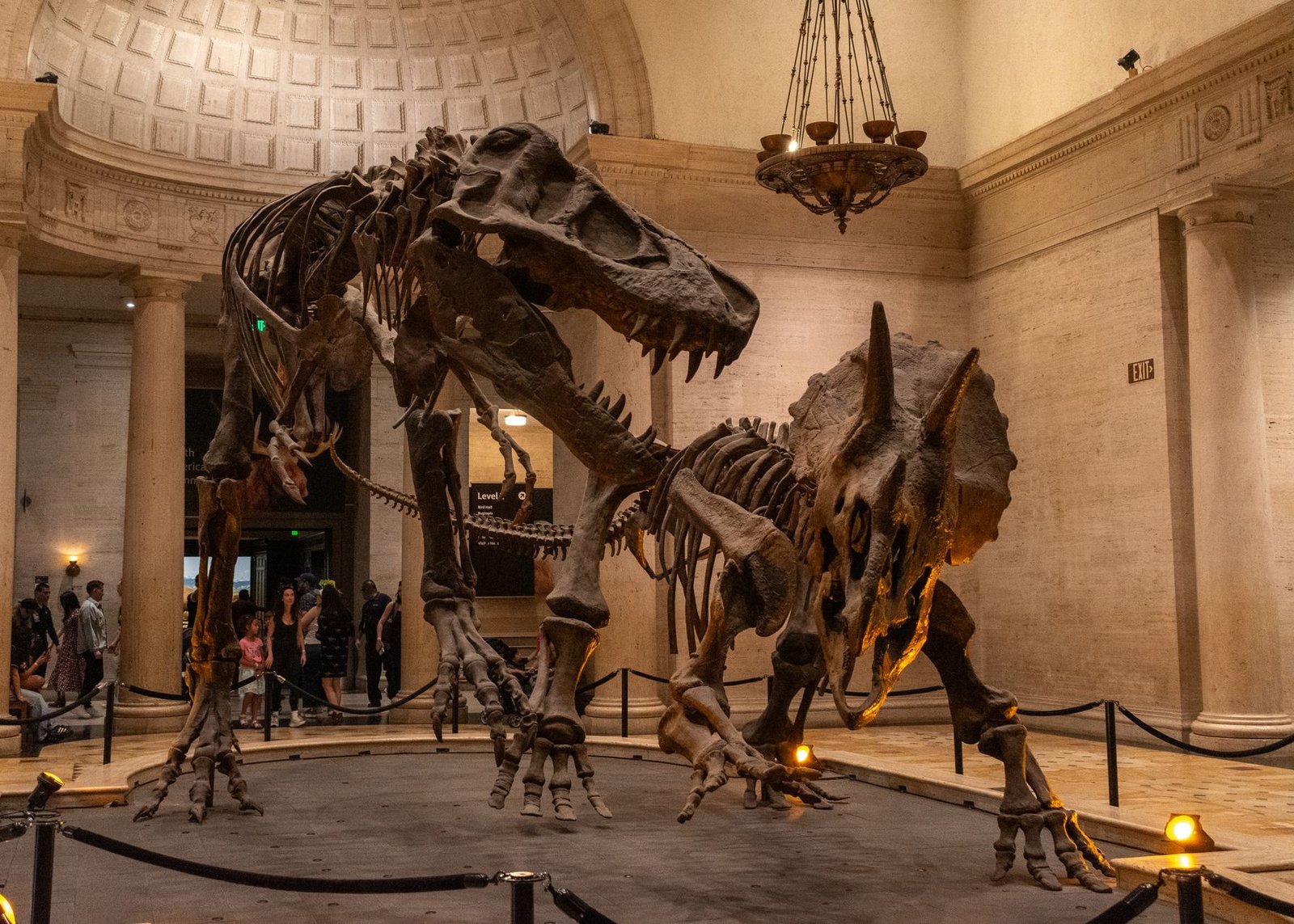
Imagine losing a valuable piece of our history, not because of theft, but due to the allure of wealth and status. The recent sale of a Tyrannosaurus rex fossil at Sotheby’s is a case in point, drawing attention to a trend that worries scientists: **private collectors outbidding museums**. This shift in fossil ownership is reshaping how we study our past and poses significant questions for the future of science.
Key Takeaways
- Private ownership of fossils can limit scientific access and research.
- Commercial interest in fossils threatens the integrity of paleontological studies.
- Museums often struggle to compete with wealthy buyers at auctions.
- Technology and AI tools might offer solutions for digital reconstruction and study.
The Rise of Private Fossil Ownership
With every auction, the gap between public institutions and private collectors continues to widen. **Private buyers**, often driven by the prestige of owning a rare piece of natural history, are willing to spend vast amounts of money. This trend not only inflates prices beyond the reach of museums but also restricts **scientific research** opportunities, as many of these fossils end up in private hands where they are not accessible for study.
Buying History: The Impact on Research
Paleontologists rely heavily on accessible fossil specimens to understand Earth’s ancient past. With restricted access due to **fossil privatization**, scientists find it increasingly challenging to study and document these remnants. The wealth-driven market interferes with the discipline’s foundational objective: to enrich public knowledge and understanding of prehistoric life.
A Tale of Two Worlds: Museums vs. Private Collectors
Museums, often relying on public funding and donations, find themselves outgunned in the auction arena. The tale of a world-class museum losing a bid to a private collector mirrors David versus Goliath, but this time, the stakes are scientific discovery and heritage preservation. These institutions serve as educational beacons, promoting public access to knowledge, whereas **privatized fossils** risk becoming mere trophies.
Real-World Implication: A Cultural Loss
Picture the Rosetta Stone locked away in a private study, inaccessible to the scholars who interpreted ancient languages by studying it. Similarly, fossil auctions turning prehistoric specimens into **luxury artifacts** deprive society of immense educational benefit. These fossils could provide insights into evolutionary biology, climate change, and even inspire future paleontologists.
AI and Technology: A Potential Solution
The tide might not be entirely against science. As the world leans into the **digital renaissance**, AI can play a crucial role in bridging the accessibility chasm. Advanced imaging technologies and machine learning techniques could help recreate fossil records virtually, offering digital access to all. This approach could democratize research, providing scientists worldwide with the resources they need, regardless of physical barriers.
Shaping the Future: From Scarcity to Abundance
Consider the digital economy, where non-fungible tokens (NFTs) turn unique items into widely accessible digital assets. Similarly, through AI, digitized fossils might transform the traditional landscape of paleontology from one of scarcity to abundance. Scientists could model how extinct species lived, moved, and interacted, all through their digital avatars.
Looking Forward: Protecting Our Scientific Legacy
The intersection of high-value auctions and paleontology reveals more than just a clash over finances; it represents a fundamental challenge to preserving scientific inquiry and public education. As our civilization grapples with the consequences of private ownership of historical artifacts, AI offers a hopeful avenue for **sustaining scientific heritage**. By embracing technological solutions, we can ensure that both the public and scientific communities continue to explore and learn from our planet’s storied past, thus enriching our collective future.
