




Imagine a world where your AI assistant not only communicates with you verbally but also physically accompanies you, enhancing the bond between humans and machines. OpenAI is reportedly venturing into this uncharted territory with its upcoming hardware device—a revolutionary gadget that’s set to blur the lines between digital interactions and physical presence.
Key Takeaways
- The device reportedly includes moving mechanical parts for a more interactive experience.
- It aims to be a physical representation of OpenAI’s ChatGPT, acting as a companion.
- This product could redefine how we understand the role of AI in everyday life.
- Expectations are that it will set a new benchmark for AI-driven consumer electronics.
- The blend of AI and hardware introduces novel possibilities in personal technology.
Breaking New Ground: AI as a Physical Companion
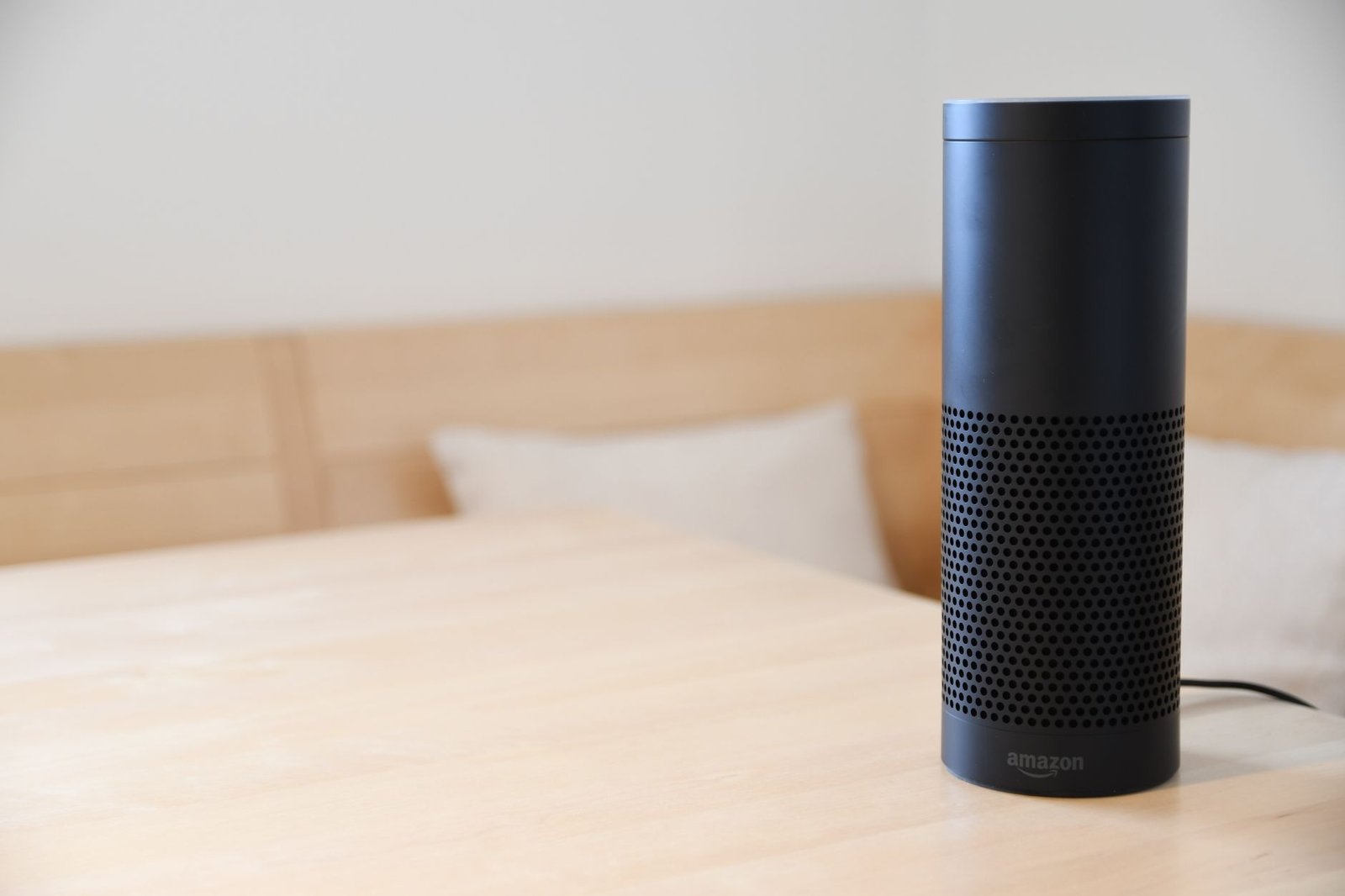
In a groundbreaking move, OpenAI is said to be developing a **screenless speaker** with components that can move autonomously. Although unusual for AI adaptations, this concept introduces an entirely new approach to interactive technology. Previously, AI assistants have been static, confined to the screens of our phones, computers, or smart speakers. OpenAI’s latest development hints at a leap beyond digital boundaries.
Mechanical Movements and Emotional Connections
So, what exactly does “mechanical elements that can move on their own” mean in the context of AI? Imagine a small, portable robot that follows you around, gestures while “speaking,” or nods to acknowledge your presence. These actions aim to make the AI seem more human-like and enhance the emotional connection between user and device. Such physical interactivity allows an AI to provide comfort in ways voice-only systems cannot, building an emotional bridge that makes the technology feel less like a tool and more like a **companion**.
The Vision Behind a Physical ChatGPT
This initiative aims to materialize OpenAI’s ChatGPT into a tangible entity. By transforming a mostly text-based AI into a more human-interactive experience, the company opens up possibilities for AI tools that meet social and personal needs beyond information processing. The ambition is not simply to answer questions or perform tasks but to create a **true companion**—an entity that can sense moods, engage in conversation, and possibly even entertain you with its antics.
Understanding a Screenless Approach
You might wonder why OpenAI opted for a **screenless** device. The lack of a visual interface is both daring and strategic. Removing the screen strips away the distractions of visual information, focusing purely on auditory and physical interaction. This approach mirrors the human way of bonding— through voice and presence rather than text and visual content. It’s like having a guide dog that leads and listens but does not rely on visual cues, enabling a more natural and inclusive experience.
A Real-World Analogy: The Loyal Companion
Consider how pet dogs impact the elderly. They neither communicate through a screen nor rely purely on voice. Their presence, responsiveness, and unique quirks create an emotional connection that helps with loneliness and provides companionship. Similarly, OpenAI’s device can serve as a loyal, AI-powered companion, redefining user and technology interaction through warmth and empathy, rather than function alone.
The Future of AI and Everyday Life
What does this mean for the future? The integration of **AI into physical forms** foreshadows a new frontier in personal technology. As AI becomes more sophisticated, its applications in home and personal life are expanding. The creation of a movable, interactive AI device represents a significant shift towards more integrated and intuitive user experiences. In the long term, this development could reshape not just how we use technology but how we relate to it emotionally and socially.
In this exciting future, AI won’t just answer our queries; it will become a part of our lives, influencing our day-to-day interactions just as a family member or friend would. As we anticipate the launch of OpenAI’s innovation, we’re not just looking at another gadget—but potentially, the evolution of AI as an integral part of human society.
