



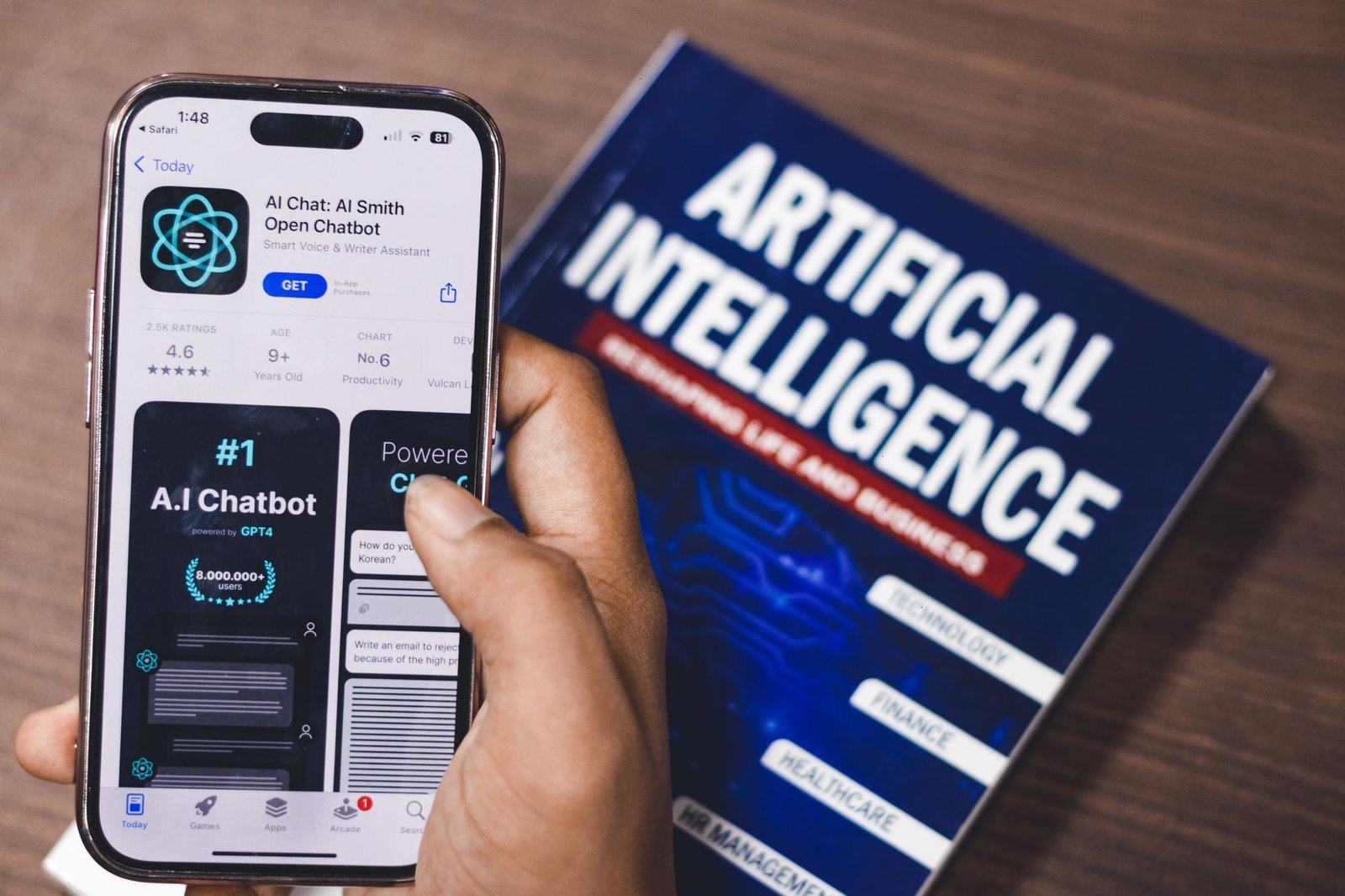
The world is abuzz as Google makes a monumental shift in its AI strategy. As September looms, it’s time to say goodbye to Google Assistant on smartphones and welcome Gemini, the next-gen AI companion. What does this mean for tech enthusiasts and everyday users alike?
Key Takeaways
- Google Assistant on Android devices will be phased out starting September 4.
- Gemini is set to be the new AI platform replacing Google Assistant.
- This transition affects not just phones but also smart gadgets connected to them.
- Google smart home devices have largely already switched to Gemini.
- The shift indicates a more integrated and advanced AI environment.
Understanding the Shift
Google has long been at the forefront of AI technology, and while Google Assistant made its mark, it’s time for a more advanced system to take the reins. With Gemini, Google aims to deliver an AI experience that’s more integrated and capable than ever before. This migration isn’t just about retiring an outdated service; it’s about stepping into a future that promises richer interactions and seamless connectivity.
What is Gemini?
Gemini might sound mysterious, but it represents a fresh leap in AI technology. Essentially, Gemini is Google’s upgraded AI platform, envisioned to be more intuitive and comprehensive than its predecessor. Think of Gemini as a new language assistant, capable of more natural conversations and enhanced context awareness—similar to chatting with a wise, tech-savvy friend who knows what you need before you even ask.
The Impact on Daily Life
Removing Google Assistant from smartphones isn’t just a trivial update; it’s a significant shift impacting various connected devices. Smartwatches, headphones, and even cars with Android Auto are part of this sweeping change. Imagine driving home, seamlessly directing your car’s navigation system through voice commands that feel more like an organic conversation rather than a programmed interaction.
A Real-World Analogy
Consider an old, trusted friend you’ve known for years—this is Google Assistant. Now, imagine meeting someone new who shares your interests, anticipates your needs, and engages in riveting conversations—this is where Gemini steps in. While saying goodbye to a familiar face can be bittersweet, embracing a future filled with endless possibilities holds its own allure.
The Transition Process
The retirement of Google Assistant will commence on September 4, but for those reluctant to let go, there’s a silver lining. As the transition rolls out, it might take several weeks for all devices to fully disengage from Google Assistant, offering a grace period for users to ease into the change. For the forward-thinkers who have already switched, their day-to-day operations won’t see dramatic shifts.
What Lies Ahead
As Google pivots from Assistant to Gemini, the entire tech landscape stands to be transformed. This evolution is more than just an update; it’s a trajectory towards smarter and more intuitive solutions. With Google’s smart home devices already on board with Gemini, the integration into our daily lives has begun.
The future of AI holds boundless potential, and the phase-out of Google Assistant signals the dawn of a new era. As technology continues to advance, the promise of Gemini offers a glimpse into a world enriched by intelligent, empathetic, and proactive digital assistants. It’s an exciting time to be an AI enthusiast—stay tuned as we embark on this exhilarating journey into the future.
