



As construction sites around the world seek greater efficiency, innovation becomes the cornerstone. Starting with solar plants, Gritt aims to revolutionize how buildings rise by automating some of the most challenging construction tasks. This bold step promises not only to streamline construction processes but to change the very nature of building across industries.
Key Takeaways
- Gritt has launched with $34 million in funding to automate challenging construction site tasks.
- Robots specifically designed for the construction industry could set new standards for efficiency and safety.
- The initial focus is on solar plant construction, with potential to expand to other sectors.
- This innovation could significantly reduce build times and costs in the construction industry.
- The broader implications for urban development and infrastructure are profound, sparking a new era of AI-driven construction.
Pioneering Change in Construction
Gritt’s ambition is backed by substantial funding, aiming to make a technological leap in the construction sector, a field that has traditionally lagged behind in digital transformation. While groundbreaking technologies often remain confined to research labs, Gritt is taking a practical approach to integrate **robotics** directly into the core workings of construction sites.
What Makes Gritt Stand Out?
Their strategy is straightforward yet ambitious: automate the tasks that are repetitive, labor-intensive, or dangerous for humans. By starting with solar plant construction, Gritt is tackling a sector ripe for innovation. Given the global push towards renewable energy, improving efficiency in solar plant creation could have significant environmental benefits.
**Robots** can tirelessly perform tasks like laying out solar panels, fastening components, and conducting precise measurements. Each of these tasks, performed manually, requires significant labor hours and precision, often with a margin for human error.
Understanding the Technical Marvel
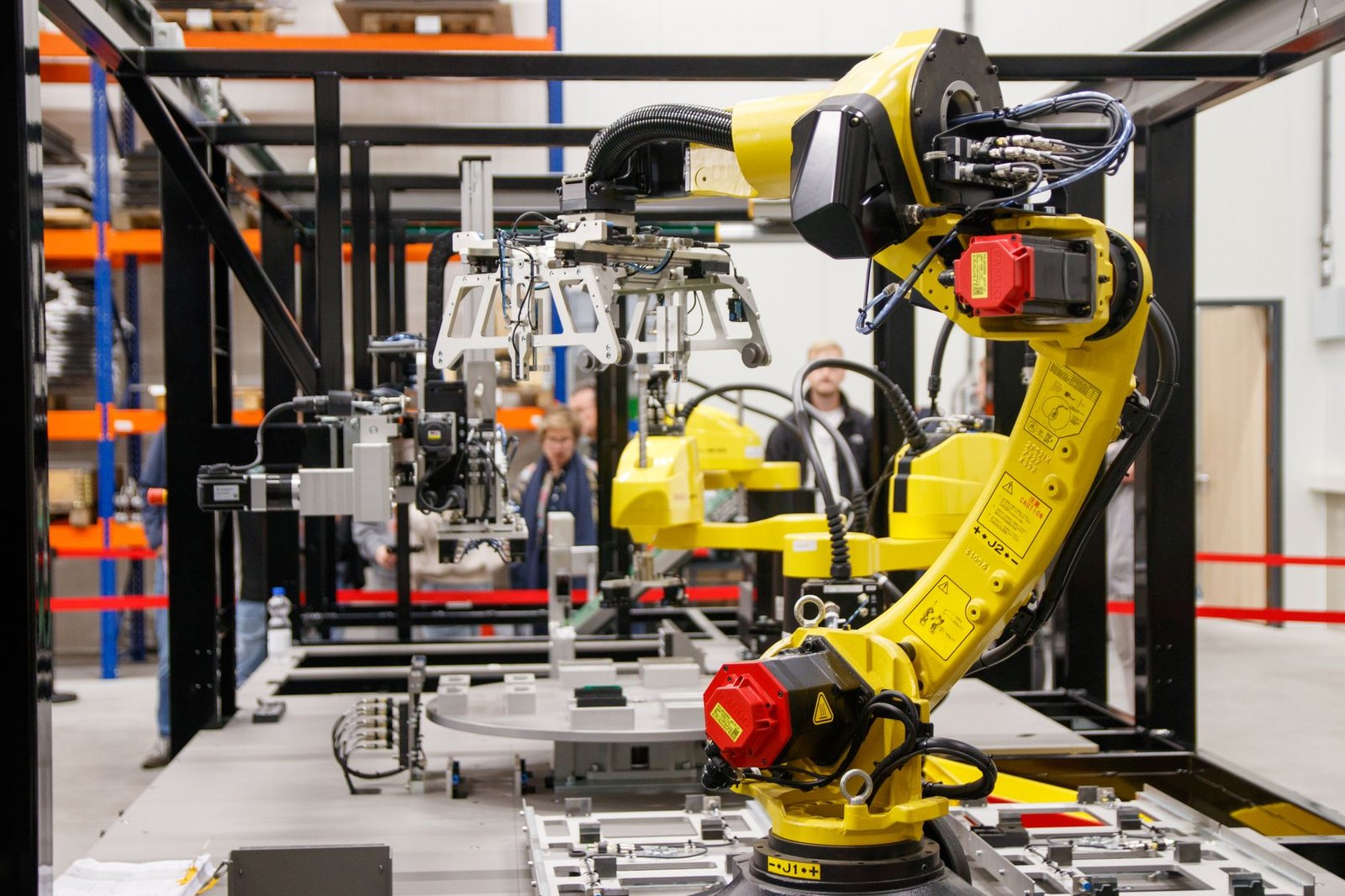
**Construction robots** are machines designed to perform specific tasks traditionally handled by human workers. These robots integrate **sensors** for navigation, **AI algorithms** for decision-making, and mechanical arms for executing physical tasks. By processing vast amounts of real-time data, these robots can adjust to changes in the environment, ensuring tasks are completed accurately.
Real-World Analogy: The Automated Factory Line
Imagine the transformation of automobile manufacturing over the past decades. The introduction of robotic arms in factories revolutionized car assembly lines, increasing production speeds and reducing errors. Similarly, Gritt’s robots promise to transform construction sites into hyper-efficient, semi-automated work environments, akin to modern-day factories. Such advancement could make construction less susceptible to disruptions while maintaining high precision.
Impacts Beyond the Construction Site
Beyond reducing labor costs and construction time, integrating Gritt’s technology could enhance safety on work sites. Construction is notorious for its hazardous conditions; by taking over perilous tasks, robots can reduce the risk of workplace injuries significantly. Furthermore, increased use of robotics could spur job creation in technology fields, as more skilled workers will be required to design, program, and maintain these machines.
What’s on the Horizon?
The implications of Gritt’s work extend into broader fields of urban development and infrastructure. As the world’s cities continue to expand, there is a growing need for rapid, cost-effective, and sustainable construction solutions. **AI in construction** will likely evolve from niche applications to mainstream tools, enabling builders to design smarter, more resilient urban landscapes.
Gritt’s development not only marks a significant step in construction innovation but signals the dawn of a new era where **AI-driven technologies** reshape tangible aspects of everyday life. As these ideas take root and grow, the potential for creating safer, greener, and more efficient cities becomes increasingly achievable.
