




Imagine ordering a ride with just a few taps on your phone, and the vehicle arrives precisely when it’s supposed to. This seemingly magical experience is made possible by a powerful ally—artificial intelligence. At Uber, AI isn’t just a buzzword; it’s the driving force behind creating exceptional, on-demand customer experiences.
- Uber uses artificial intelligence to optimize ride experiences and customer satisfaction.
- Data-driven algorithms help in predicting demand and supply balance efficiently.
- AI at Uber enhances driver-partner experiences as much as it benefits riders.
- Machine learning models provide personalized services based on user behavior.
- Future advancements in AI could significantly influence urban mobility trends.
The AI Backbone of Uber’s Services
To understand how AI works at Uber, let’s dive into the role of machine learning, a subfield of AI that involves training computers to learn from data. Uber leverages this to predict demand, adjust prices, and even reduce wait times. For instance, during peak hours, the algorithms can anticipate a surge in ride requests, prompting the system to implement dynamic pricing that adjusts fares accordingly to discourage high demand.
Predicting the Unpredictable
AI excels in scenarios where human intuition falls short. Uber’s AI systems analyze historical data and real-time inputs to predict patterns in urban mobility. Imagine an intelligent map where Uber can foresee a rainstorm in a city’s busiest district. This prediction allows them to proactively allocate more drivers to that area, reducing passenger wait times and optimizing the supply and demand.
Personalizing the Ride Experience
At the heart of any robust AI system is the ability to personalize services. Uber utilizes machine learning to provide customized experiences based on user behavior. If you’ve ever been recommended a specific route by the app that avoids heavy traffic, that’s AI working its magic. What’s more, these personalized interactions extend to driver-partners, offering suggestions about where to position themselves strategically to secure more rides.
Real-Life Analogy: AI as a Traffic Cop
Think of AI in Uber as a vigilant traffic cop that manages the flow of vehicles and passengers in real-time. Just as a cop directs traffic to prevent congestion and accidents, Uber’s AI algorithms guide drivers and riders, ensuring that everyone gets to where they need to go as smoothly as possible. This synergy of technology and human need is precisely what makes Uber’s on-demand service so efficient.
Engineering the Future of Urban Transportation
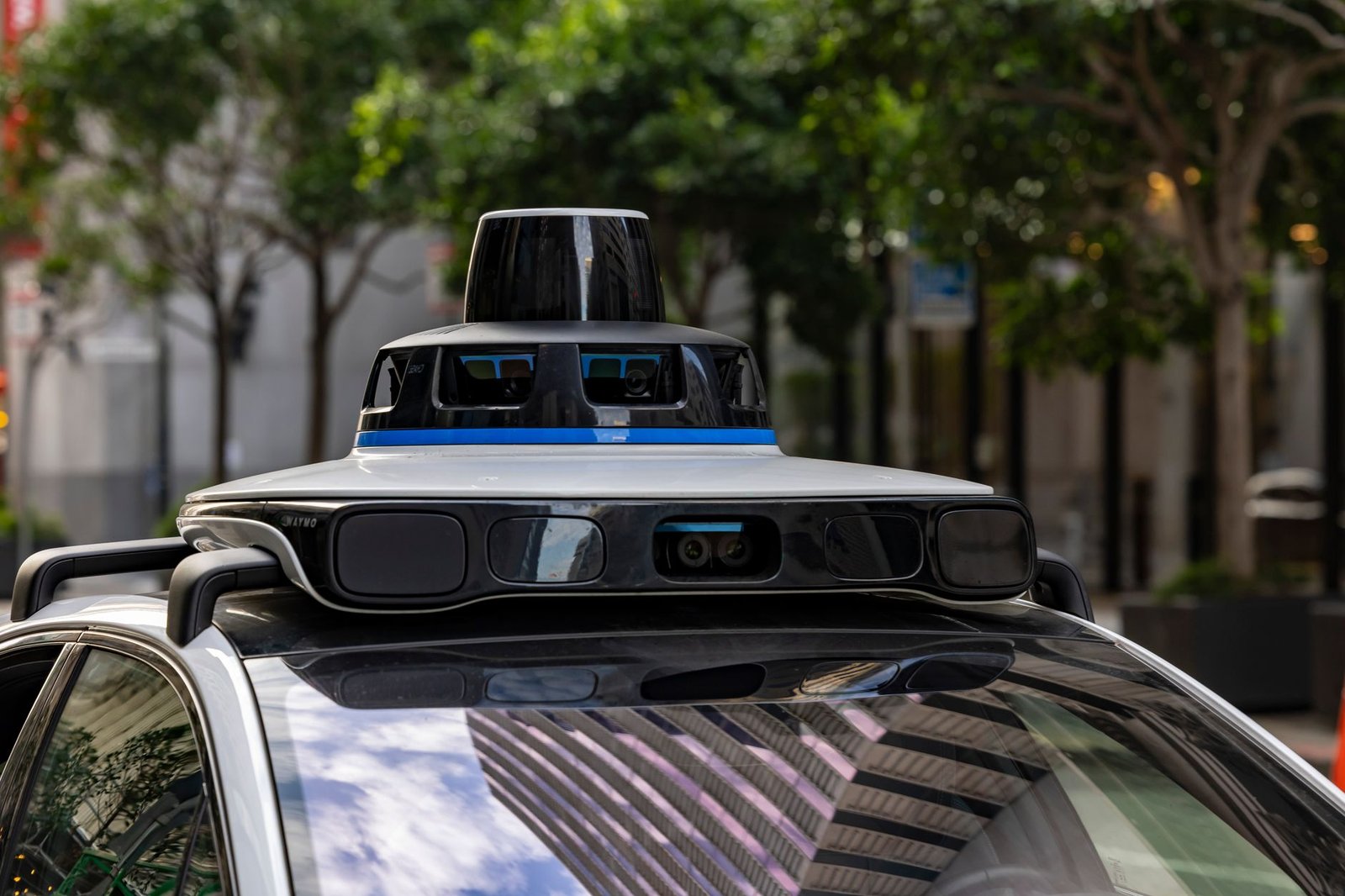
One of the most intriguing possibilities on the horizon for Uber and its use of AI is the transformation of urban transportation itself. With advancements in AI, we could be looking at a future where car ownership becomes less of a priority, and shared rides dominate city landscapes. Enhanced predictive analytics and autonomous vehicle technology may soon make it feasible to have a fleet of self-driving cars within the Uber ecosystem, further reducing costs and maximizing efficiency.
AI’s growing role in apps like Uber spells an exciting time for urban mobility. As the algorithms become more sophisticated, the future beckons a more integrated and seamless user experience, leaving traditional modes of transportation in the rearview mirror.
