



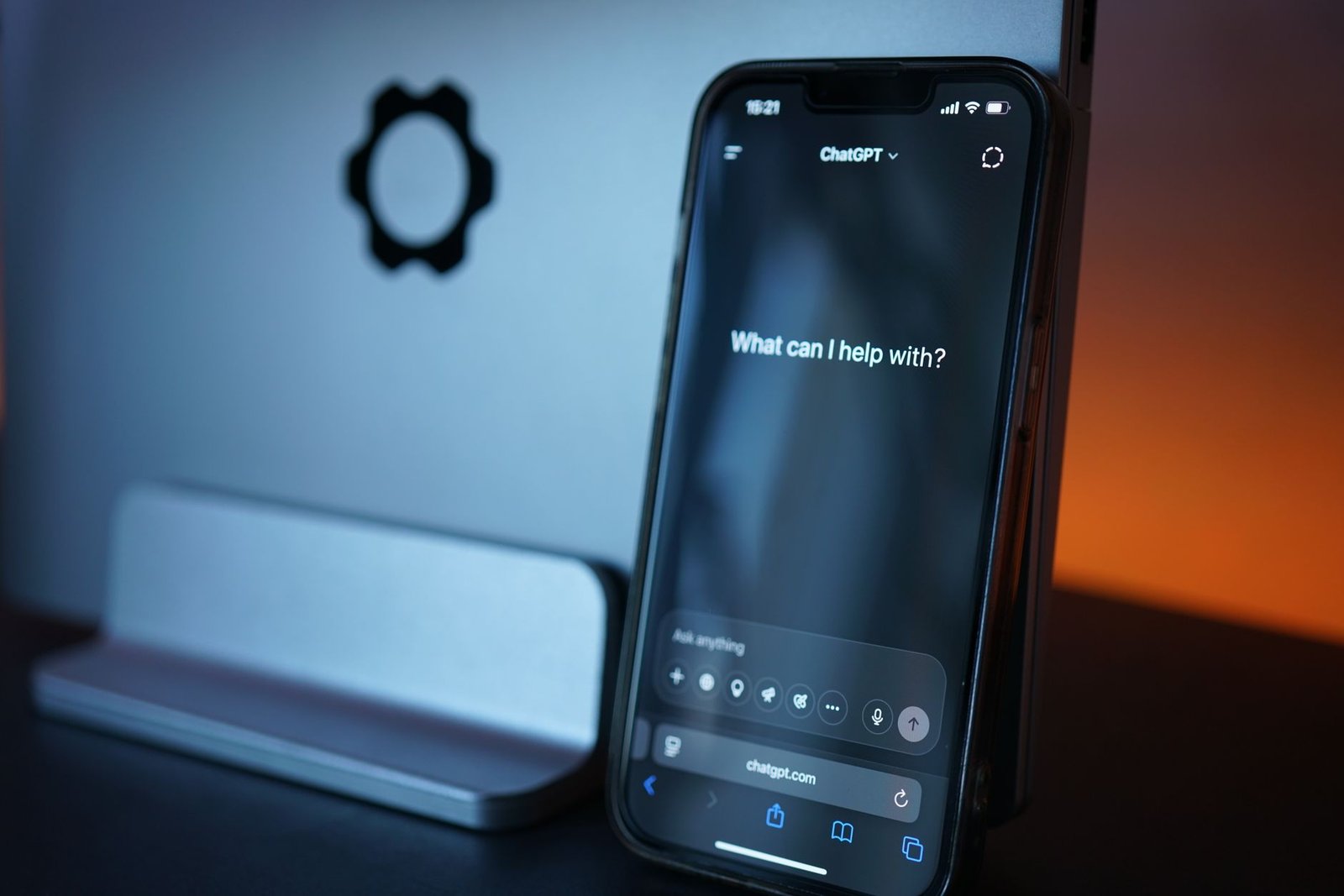
Imagine a world where conversations with machines feel as natural as chatting with a friend. This isn’t just future talk—it’s happening now. As chat-based AI, *like ChatGPT*, increasingly finds a place in our everyday lives, its impact is evolving in fascinating ways.

Key Takeaways:
- ChatGPT usage surged in early 2026, reflecting a diverse user base.
- Notable growth among users over 35 signals a shift in demographics.
- The gender balance in AI tool usage is more equal than ever before.
- This widespread adoption indicates a significant shift towards mainstream AI acceptance.
- Understanding AI through user-friendly tools fosters a more informed public.
The Rise of ChatGPT: A New User Demographic
In the first quarter of 2026, the landscape of ChatGPT adoption shifted noticeably. While younger tech enthusiasts initially drove its popularity, a substantial rise in engagement among users over 35 now highlights a broader appeal. These users, who might have once shied away from newer technologies, are increasingly finding value in what AI offers. As digital literacy expands, the stigma of AI being solely the domain of the tech-savvy is dissolving.
The Significance of Gender Balance
Fascinatingly, the adoption of ChatGPT in early 2026 also saw a balanced increase across gender lines. For a long time, tech spaces have been perceived as overwhelmingly male-dominated. However, as AI becomes more ingrained in professional and personal scenarios alike, equitable usage among genders suggests a leveling of the digital playing field. This shift not only democratizes technology but also ensures that AI solutions cater to a wider variety of human experiences and needs.
Demystifying AI: Tech for Everyone
AI can be complex, but when simplified, its benefits are accessible to all. **ChatGPT** serves as a perfect example of this. It uses a type of machine learning known as *natural language processing* (NLP), which allows it to understand and generate human-like text based on the input it receives. Imagine teaching a child to read—through repetition and learning context, they become adept at understanding language nuances. Similarly, ChatGPT learns from vast amounts of text data to generate responses that make conversations with it feel less like computer code and more like engaging dialogue.
Think of it like a well-read conversationalist who can pull in context from prior conversations and diverse sources to keep the discussion fluid and informative.
A Real-World Analogy: The GPS of Conversations
Consider how GPS revolutionized travel, offering directions at your fingertips and replacing old-school maps. *ChatGPT* is akin to a conversational GPS, guiding users through content creation, idea generation, and even complex problem-solving in various fields. Just as you’d trust your navigation system to lead you without needing to understand the underlying geolocation mathematics, users rely on ChatGPT to facilitate smooth, dynamic conversation without delving into its technical intricacies.
Looking Ahead: The Impact on AI’s Future
The expanding demographics embracing ChatGPT mark a pivotal moment in AI’s trajectory. As broader segments of society begin to trust and utilize AI tools, these technologies will inevitably advance, driven by diverse input and feedback. This willingness to interact with AI fosters an environment ripe for innovation, where AI can be tailored to meet inclusive needs effectively. The future holds a tapestry of opportunities for AI integration in education, healthcare, business, and even in ensuring more personalized entertainment experiences. **ChatGPT’s** rise in popularity hints at not just an AI-enhanced present, but a future where AI stands as a unifying digital companion across all walks of life.
