



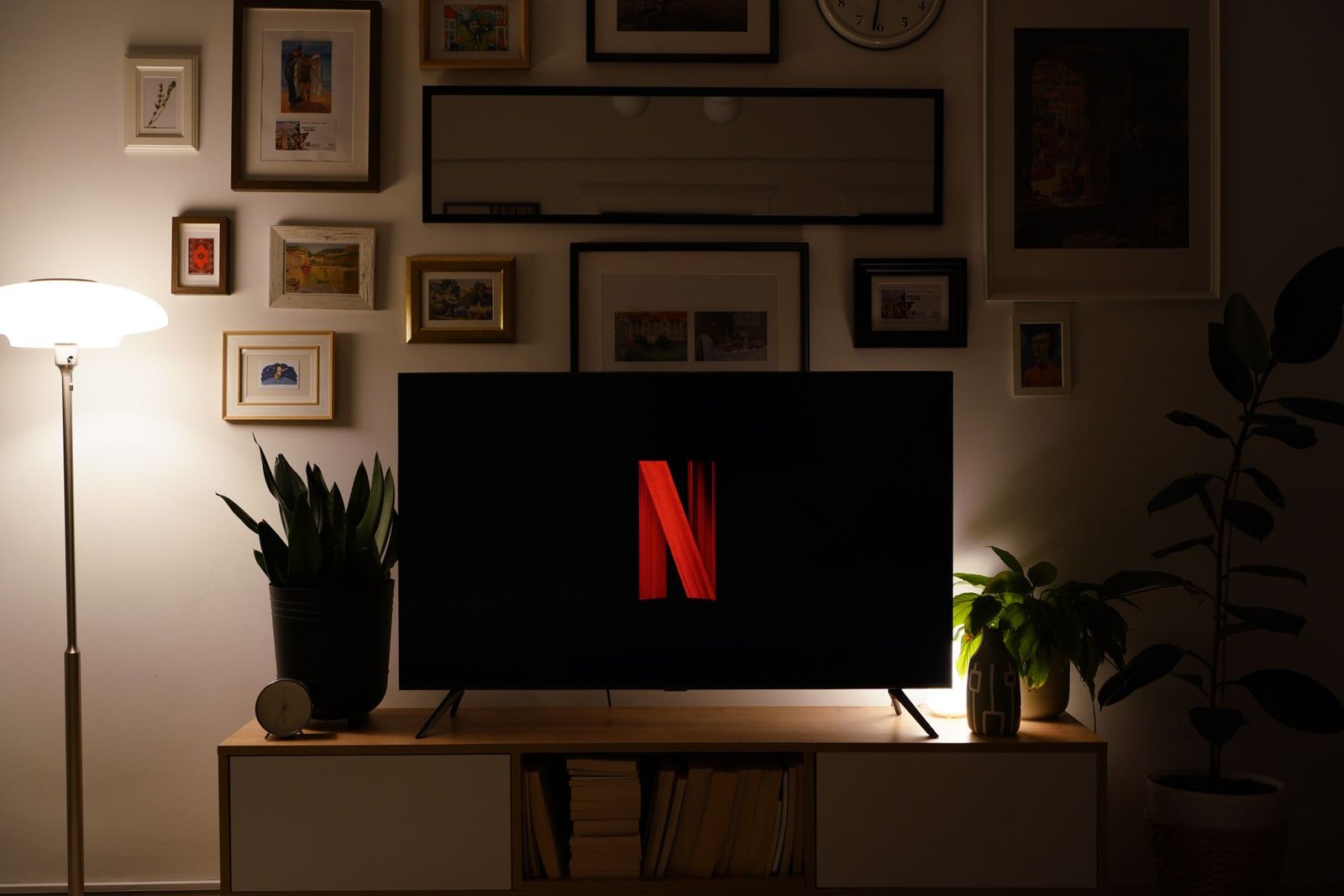
Imagine transforming your living room into an art gallery with a television that adapts its visuals and sound using artificial intelligence. Such innovation might sound like science fiction, but Samsung’s The Frame Pro 2026 makes it a reality. It’s not just a TV; it’s a masterpiece of technology and design, elevating your home entertainment to a whole new level.

- The Frame Pro 2026 uses AI to enhance both audio and visual experiences.
- An advanced anti-glare coating ensures exceptional picture quality in all lighting conditions.
- Art Mode transforms the TV into a gallery-quality art display when not in use.
- The customizability of both the frame and content offers a personalized experience.
- Intuitive features make it suitable for both tech enthusiasts and casual users.
The Fusion of Art and Technology
The Frame Pro 2026 is not just another smart TV; it’s an integration of **art and AI-driven technology**. With the innovative use of artificial intelligence, this model adjusts both the audio and picture quality automatically to create an immersive viewing experience. Let’s break that down a bit.
AI-Driven Picture and Sound: What Does It Mean?
AI technology in this context refers to algorithms that are capable of learning and adjusting to optimize performance. For **picture tuning**, the TV analyzes incoming video content and automatically adjusts the color, contrast, and brightness to match the scene’s needs. Think of it as having a film director tailor your viewing experience every time you switch to a new scene.
Similarly, **AI audio tuning** adapts the sound output based on the content you’re watching. For instance, if you’re viewing an action movie with explosive sequences, the audio algorithm enhances these sounds to mimic the dynamic range found in theaters. For quieter scenes, it modifies sound levels to make dialogues clearer.
Why the Anti-Glare Coating Is a Game-Changer
The addition of an **anti-glare coating** is another standout feature of The Frame Pro 2026. This sophisticated layer is designed to minimize reflection from external light sources, such as sunlight or room lighting. Similar to how polarized sunglasses reduce glare on sunny days, this coating makes viewing comfortable in various ambient conditions.
This means no more adjusting blinds or squinting at the screen trying to catch a thing or two from your favorite show during a bright day. The viewing experience remains consistent, sharp, and vibrant irrespective of background light, ensuring that every moment is immersive.
Art Mode and Customization
The **Art Mode** transforms your TV into an art display, showcasing artworks or personal photos when not in use. Unlike a traditional TV screen saver, it uses sophisticated sensors to adjust the display’s brightness to match lighting circumstances, giving the impression of a real-life painting.
This feature not only adds an **aesthetic appeal** to your space but also saves energy by displaying static images at a lower power consumption level. Coupled with customizable bezels, The Frame Pro offers a personalized touch to match your home decor.
A Real-World Analogy
Consider The Frame Pro 2026 as akin to a luxury car with automatic settings. Just as this car might adjust seat positions, ambient lighting, and driving modes based on who’s driving and the current road conditions, this TV calibrates audio and visual settings to perfect your viewing experience.
What Does This Mean for the Future of AI in Electronics?
The innovations found in The Frame Pro 2026 suggest a thrilling trajectory for **AI integration in consumer electronics**. AI is not only poised to enhance aesthetic and functional experiences but also to revolutionize how we interact with technology in our daily lives. We can anticipate that as AI algorithms evolve, so will their ability to predict and adapt to our expectations, leading to even smarter, more intuitive home technologies.
In the future, AI-driven personalization could become standard in all high-end electronics, offering efficiency, customization, and innovation previously unimaginable. Devices will continue to adapt, learning from user interactions to deliver experiences tailored to individual preferences, making technology an even more seamless extension of our daily lives.
