



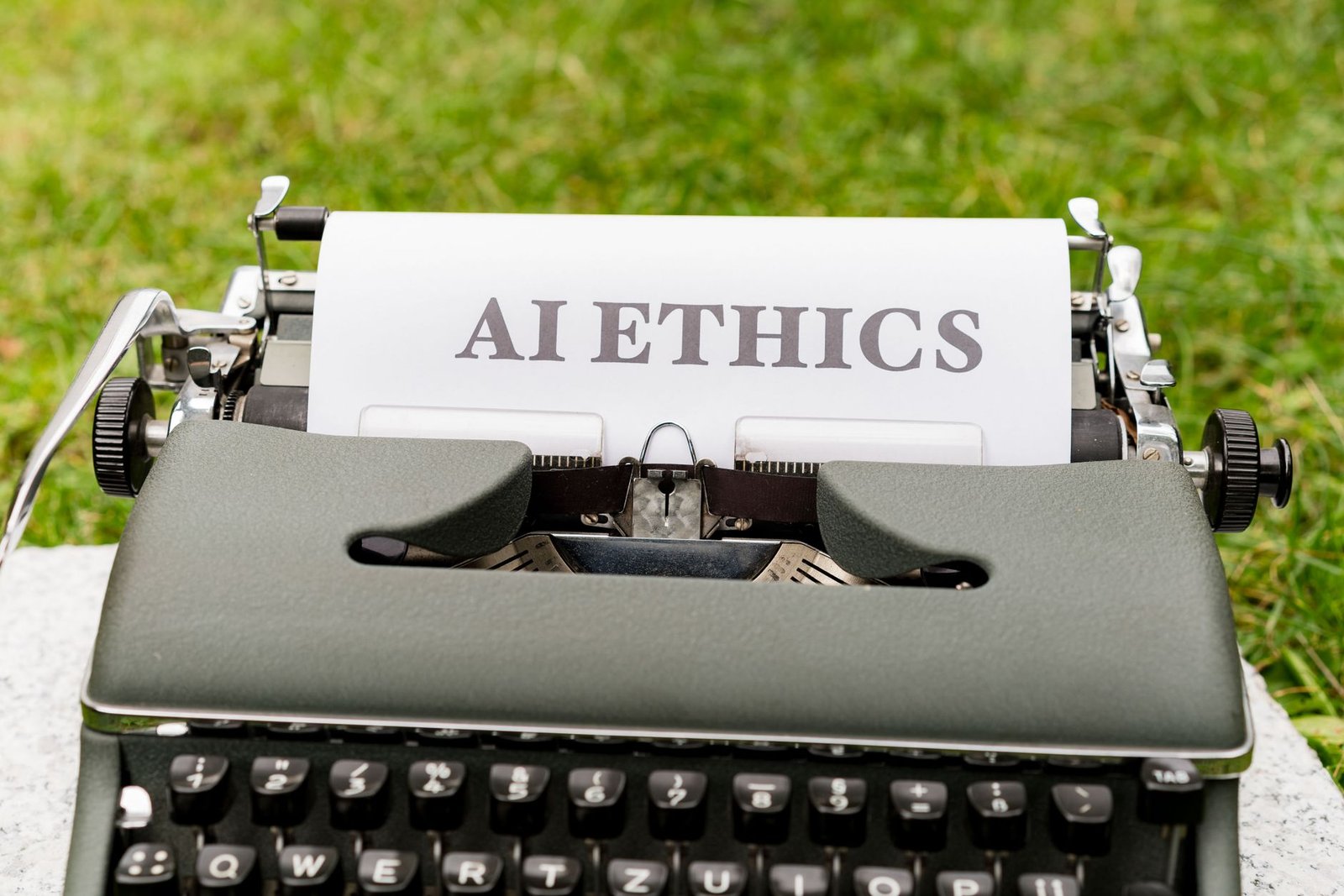
In an era where **artificial intelligence** is increasingly integrated into education, the line between innovation and academic integrity blurs. Ivy League institutions, known for their academic rigor and brilliant minds, now face a surprising dilemma: what happens when students turn to AI as a potential shortcut?
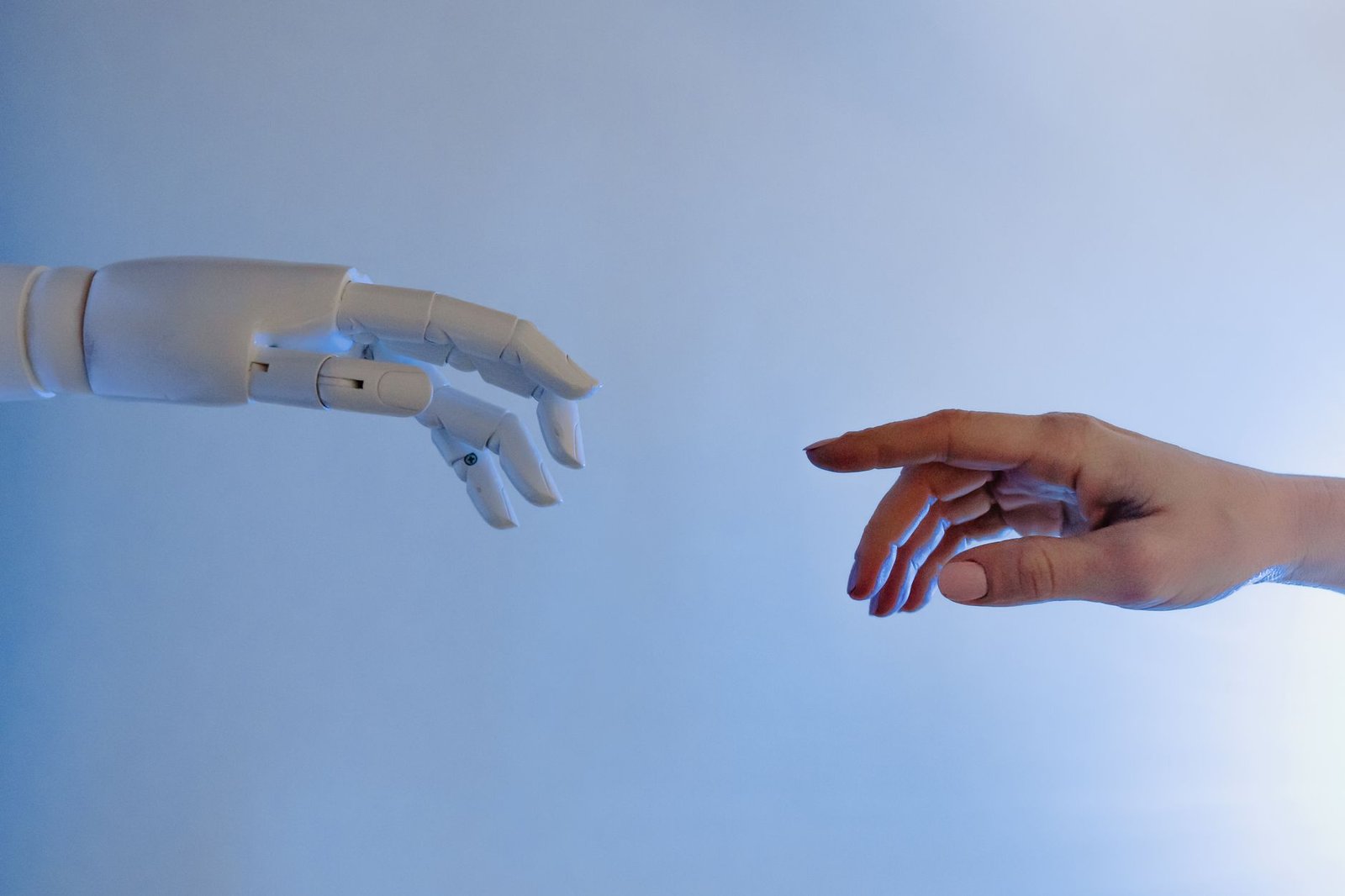
- AI’s role in academia raises ethical and practical questions.
- Recent incidents reveal a potential increase in academic dishonesty.
- The balance between leveraging AI and learning fundamentally is essential.
- Professors adapt teaching methods to discourage AI misuse.
- The future of education may hinge on ethical AI integration.
The Allure of AI in Academia
In schools where students are known for their **dedication to excellence**, the temptation to use generative AI tools for academic advantage is notably high. With pressures mounting from competitive coursework and time management challenges, students might view **AI technology** as a savior, offering speedy solutions to complex problems.
This **technological temptation** is especially true for students at elite institutions like Brown University. Under these conditions, AI doesn’t just offer assistance; it becomes a potential path to alleviate overwhelming academic demands.
The Brown University Incident
Recently, a situation at Brown University brought the potential misuse of AI into the spotlight. Professor Roberto Serrano, an economist, noticed unusual patterns in student performance. In previous exams, students performed significantly better when allowed to complete tests remotely. However, when Serrano implemented an in-person final, student scores dropped by an astonishing 50%.
This dramatic fall in performance raises profound questions about the extent of **AI-assisted cheating**. While students are intellectually capable, the notion that they might rely on AI tools such as chatbots for assistance calls into question their grasp of the material.
Cultural and Educational Shifts
The use of AI in academia is a microcosm of larger societal shifts in how we perceive and utilize technology. Institutions now face the challenge of **ethically integrating AI** into educational frameworks, ensuring it enhances rather than detracts from learning.
Redefining Learning and Integrity
Roberto Serrano’s experience is an example of how educators might reconsider their teaching strategies. Some professors are redesigning assessments to focus on skill application and critical thinking, areas where AI tools offer limited help.
An analogy here might be learning to drive using a **GPS**. While GPS can navigate efficiently, understanding road signs and traffic regulations is crucial for real-world driving. Similarly, students can use AI as a tool, but they must understand the core concepts to be truly adept.
The Road Ahead
This incident at Brown University is not just about isolated academic misconduct; it offers a glimpse into the future of education and technology. Educational institutions and **tech developers** need to collaborate on strategies that integrate AI tools responsibly and ethically.
The future holds endless possibilities for AI in education, blending human creativity with machine precision. However, striking a balance between these factors will be key. By fostering an environment where AI aids learning rather than replaces it, we can truly harness its potential for the betterment of society.
