

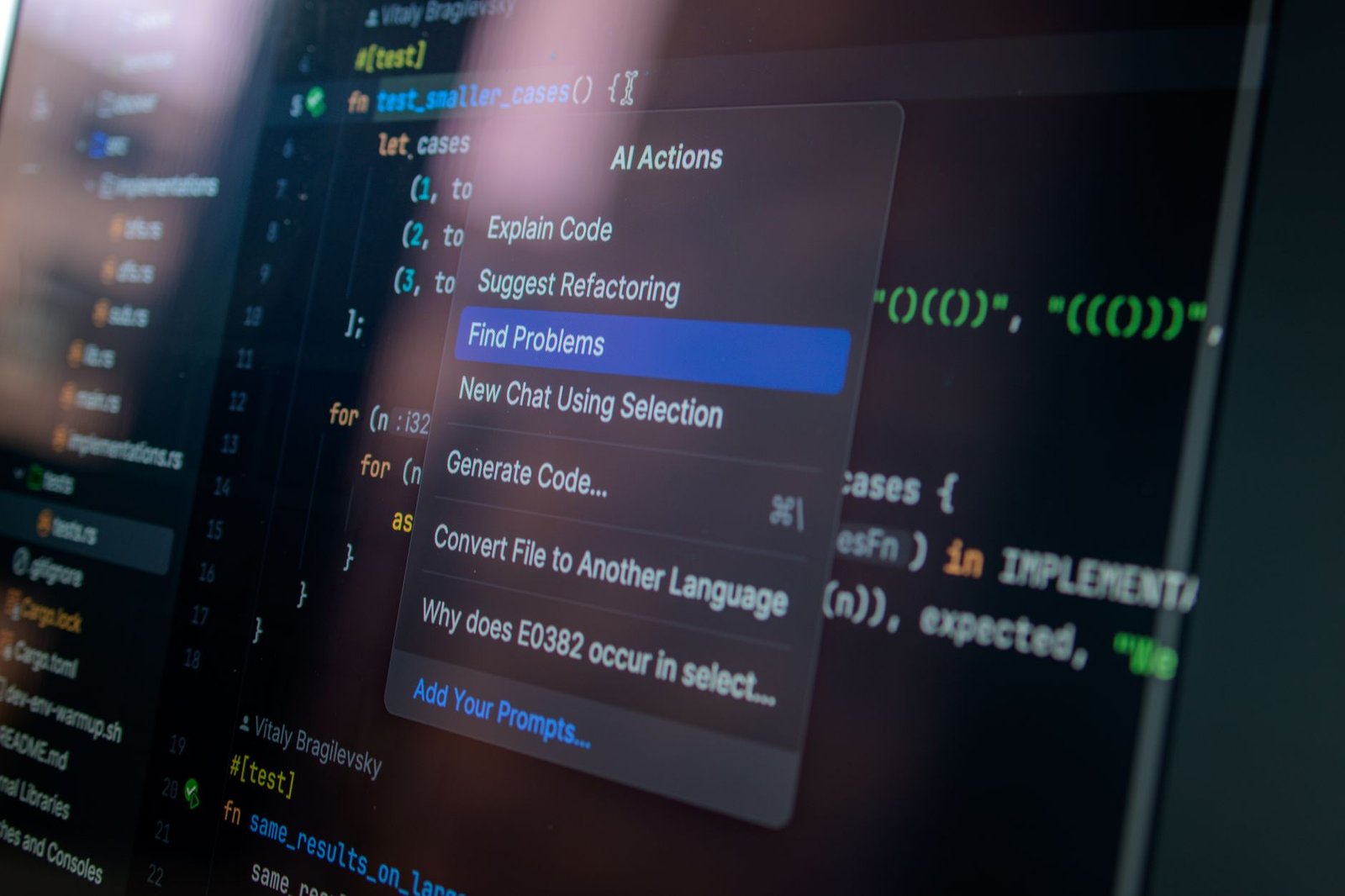
The landscape of AI coding tools is evolving rapidly, as developers face escalating costs with premium services. Enter Goose, a free, open-source option for those looking to bypass the steep pricing of competitors like Claude Code.
Key Takeaways
- Goose offers a no-cost alternative to expensive software like Claude Code.
- Operates entirely offline, ensuring greater data privacy.
- Flexible, integrating with various language models for diverse coding needs.
- Significant community growth, evidenced by GitHub engagement.
The Cost Conundrum in AI Coding
As impressive as AI coding agents like Claude Code may be, their pricing can be prohibitive. With fees ranging from $20 to $200 per month, many developers find themselves restricted by a myriad of usage limits, hampering productivity. **Anthropic** imposes hourly and token limits that leave users feeling shortchanged and constrained.
Why Goose Stands Out
**Goose** goes against the grain by offering a free, local solution. Developed by Block, it allows users to run AI models on their own machines without sending data to the cloud. This model-agnostic setup lets developers pair Goose with any language model, such as those from **OpenAI, Google, or even open-source tools like Ollama**. An offline model not only provides control but also enhances privacy, making it a compelling choice.
Real-World Example: Coding in the Clouds? Not Exactly
Imagine working on a plane—you’re disconnected from the cloud but not from productivity. Goose gives you uninterrupted access to coding capabilities, similar to opting for a home-cooked meal over dining out: personalized, private, and just as satisfying.
The Power of Autonomy
Unlike other coding assistants, Goose doesn’t just suggest code; it autonomously executes tasks. This includes building projects, debugging, and interacting with APIs. This level of autonomy makes Goose a versatile tool capable of managing complex tasks with minimal oversight.
Technical Setup and Practical Usage
Setting up Goose involves three components: the Goose application, a tool like **Ollama** for running models locally, and a chosen language model. While Goose requires an initial setup, the trade-offs include avoiding subscription fees and maintaining full control over data processes. For hardware, you need sufficient RAM—32 gigabytes is a solid baseline for efficiency.
Trade-offs and Competitive Landscape
While Goose’s benefits are clear, developers might miss out on the sheer power of Claude’s most advanced models. However, the rapid advancement of open-source models might soon rival commercial offerings, potentially leveling the playing field.
Looking Ahead
The rise of free, open-source tools like Goose highlights a paradigm shift towards more equitable access in the tech world. As AI continues to evolve, we can expect a future where the barrier to entry is lowered, making powerful AI tools available to a broader audience, irrespective of budget constraints. This democratization is poised to foster innovation and expand possibilities in the realm of AI development.
