



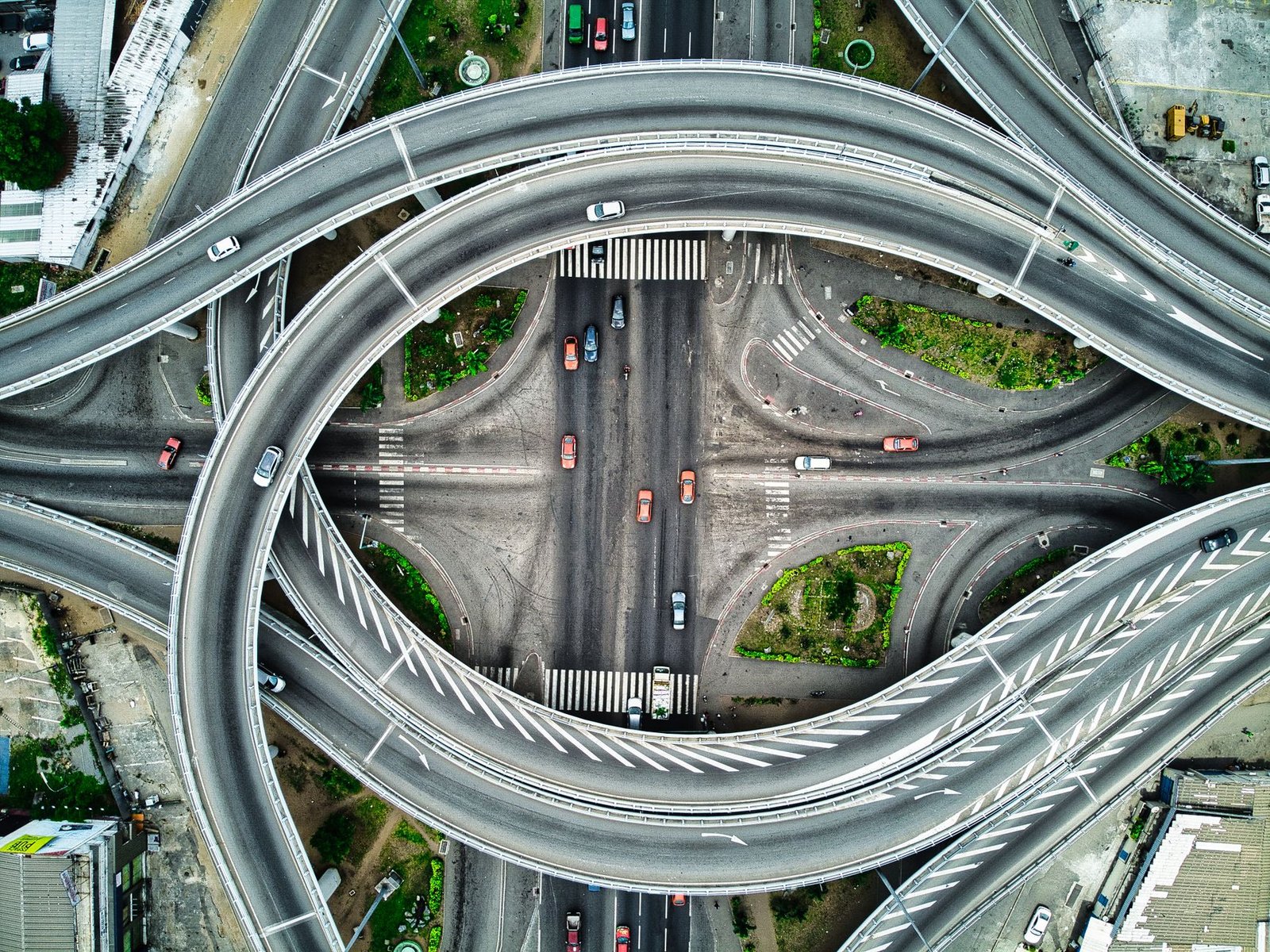
Imagine a world where cars drive themselves, whisking you across town while you sit back and relax. By 2027, this could be a reality on the streets of the United States, thanks to the ambitious plans of Mobileye, an innovative leader in driving technology.
Key Takeaways
- Mobileye aims to launch a **robotaxi service** in a US city by 2027.
- The service will be **vertically integrated**, utilizing Mobileye’s own technologies.
- Mobileye has a history of pioneering **autonomous driving technologies**.
- This move could significantly impact the future of urban mobility and **autonomous vehicles**.
Mobileye’s Ambitious Entry into the Robotaxi Market
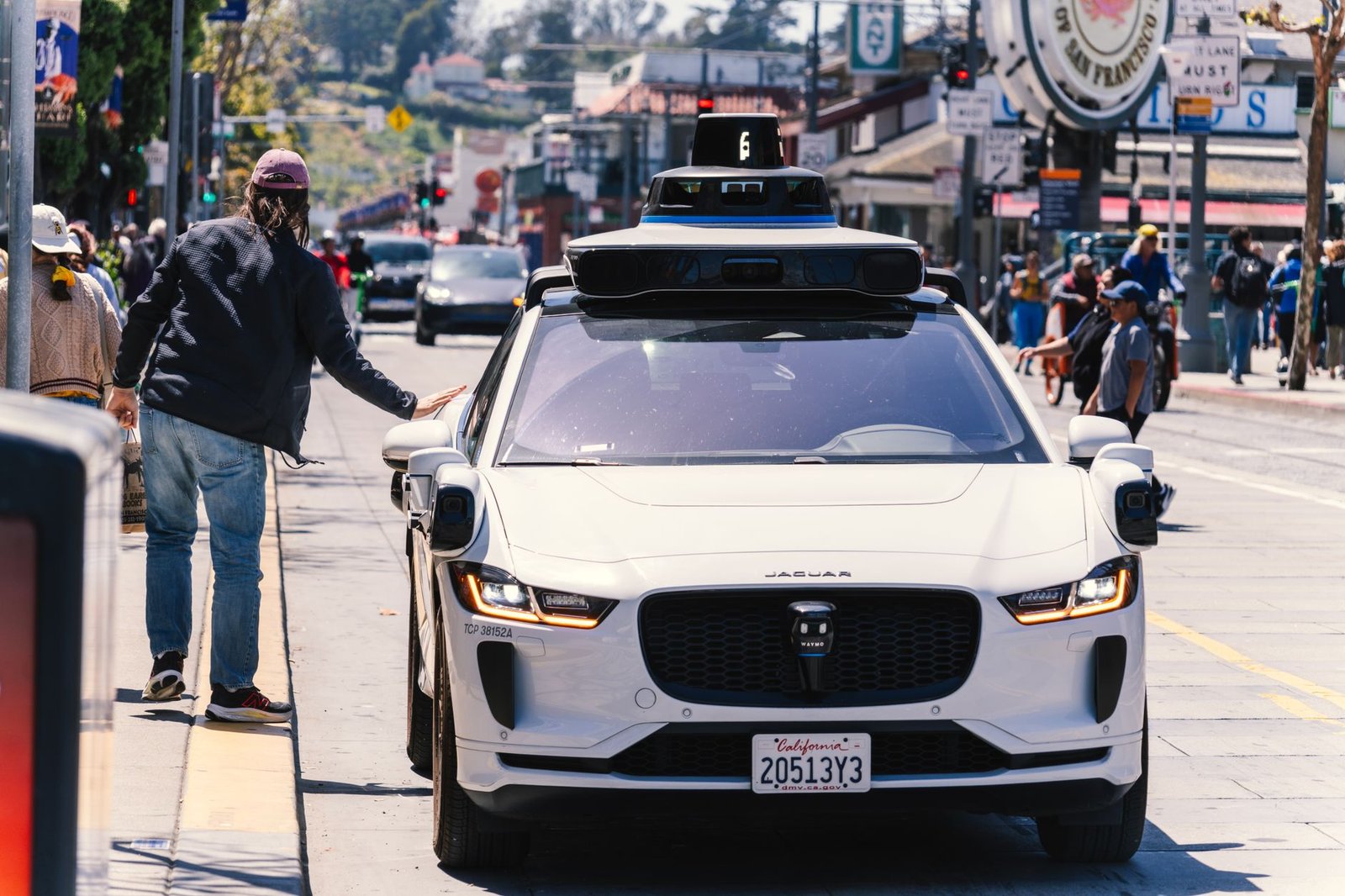
Mobileye, once a name behind the curtain in the world of driving aids, has announced its plan to take a bold step into the **robotaxi** arena. By 2027, this Israeli firm intends to roll out a fleet of 100 self-driving taxis in a yet-to-be-disclosed American city. These aren’t just your average cabs; they’re built with decades of technological innovation aimed at redefining how we perceive urban transport.
The company intends to provide a **seamless and integrated service**, leveraging its **Moovit mobility platform**. This platform will handle everything from booking your ride to coordinating these autonomous vehicles. In essence, Mobileye is not just focusing on the vehicle but reshaping the entire infrastructure surrounding urban mobility.
From Camera Systems to Autonomous Giants
Mobileye’s journey began in the mid-2010s when it partnered with Tesla to provide advanced driving assistance systems (**ADAS**), crucial components in today’s autopilot capabilities. ADAS serves as the backbone of a partially autonomous vehicle, offering features such as lane-keeping, adaptive cruise control, and emergency braking.
However, in 2016, Mobileye ended its relationship with Tesla, concerned about how the technology was marketed as fully autonomous to drivers. Nevertheless, this move did not curb their ambitions. Instead, Mobileye continued its mission of developing world-leading autonomous driving technology, furthering collaborations with companies like Intel, which acquired it in 2017.
The Significance of Vertical Integration
By pursuing **vertical integration**, Mobileye is betting big on controlling every aspect of the robotaxi experience. But what does this mean? Simply put, it allows the company to develop, operate, and manage both the hardware and software under one roof. This approach can lead to improved synergy between technology development and service delivery, potentially leading to enhanced user experiences and reduced operational costs.
Consider this in terms of a smartphone: Instead of just creating the apps or operating system, Mobileye wants to control everything from the design of the phone to its final delivery into your hands. For the robotaxi market, this means crafting an end-to-end autonomous vehicle experience that is not only innovative but also repeatable on a global scale.
What This Means for the Future of AI
The forthcoming launch of Mobileye’s robotaxi service represents a critical shift in how artificial intelligence can enhance everyday life. With cities likely to experience reduced traffic congestion and improved commutes, this venture has the potential to transform urban landscapes.
As these **autonomous vehicles** become commonplace, cities may need to rethink infrastructure, focusing on smart city designs that accommodate and enhance these technologies. Looking further ahead, Mobileye’s ambitions could signal a broader trend towards the widespread adoption of driverless technology, influencing everything from logistics to public transport.
In an era where technology strives to make life more convenient and efficient, Mobileye’s initiative might just be the push needed to fully integrate **AI-driven** solutions into society on a massive scale. With each advancement, we take a step closer to a future where the boundaries of what’s possible in transportation are continually expanding.
