



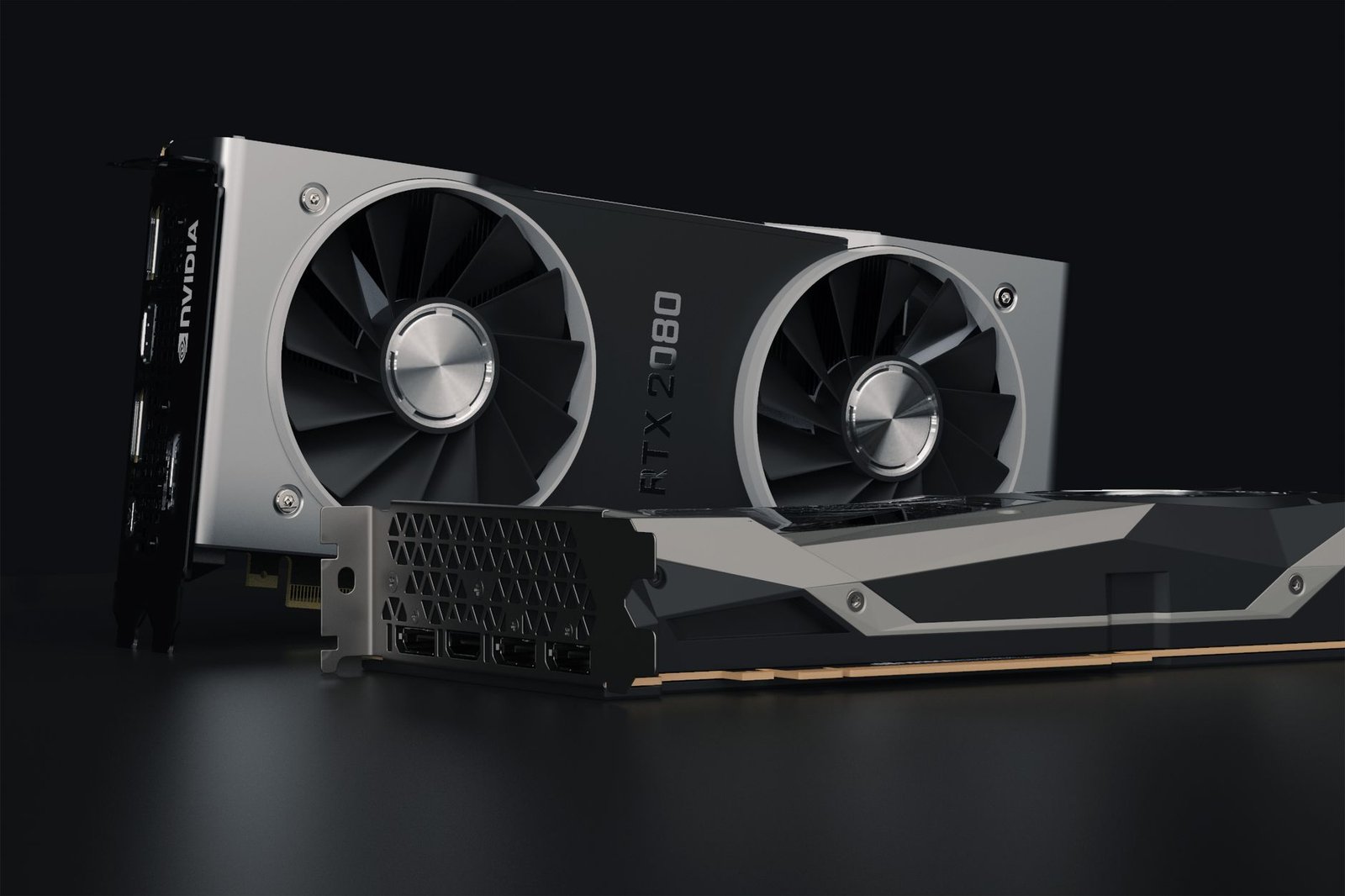
Imagine unlocking the true power of aging technology while simultaneously revolutionizing the financial backing of AI projects. This is precisely what Nvidia aims to do with its audacious half-trillion-dollar strategy.
Key Takeaways
- Nvidia plans to maintain the value of its GPUs through innovative financial strategies.
- The company seeks fresh sources of capital to fuel AI infrastructure.
- Understanding the intricacies of GPU usage and financing could reshape AI deployment.
- This plan could extend the lifecycle and utility of older GPUs.
- Future AI landscapes are poised for significant transformation.
Understanding Nvidia’s Strategy
In the competitive world of AI technology, Nvidia stands out not just for its cutting-edge hardware but for its unique approach to leveraging its existing assets. By maintaining the financial appeal of **Graphics Processing Units (GPUs)** that are aging, the company intends to harness long-term value from its older products. This effort involves convincing financial backers to persist in investing in AI advancements by demonstrating potential returns from these veteran components.
The Mechanics Behind GPU Valuation
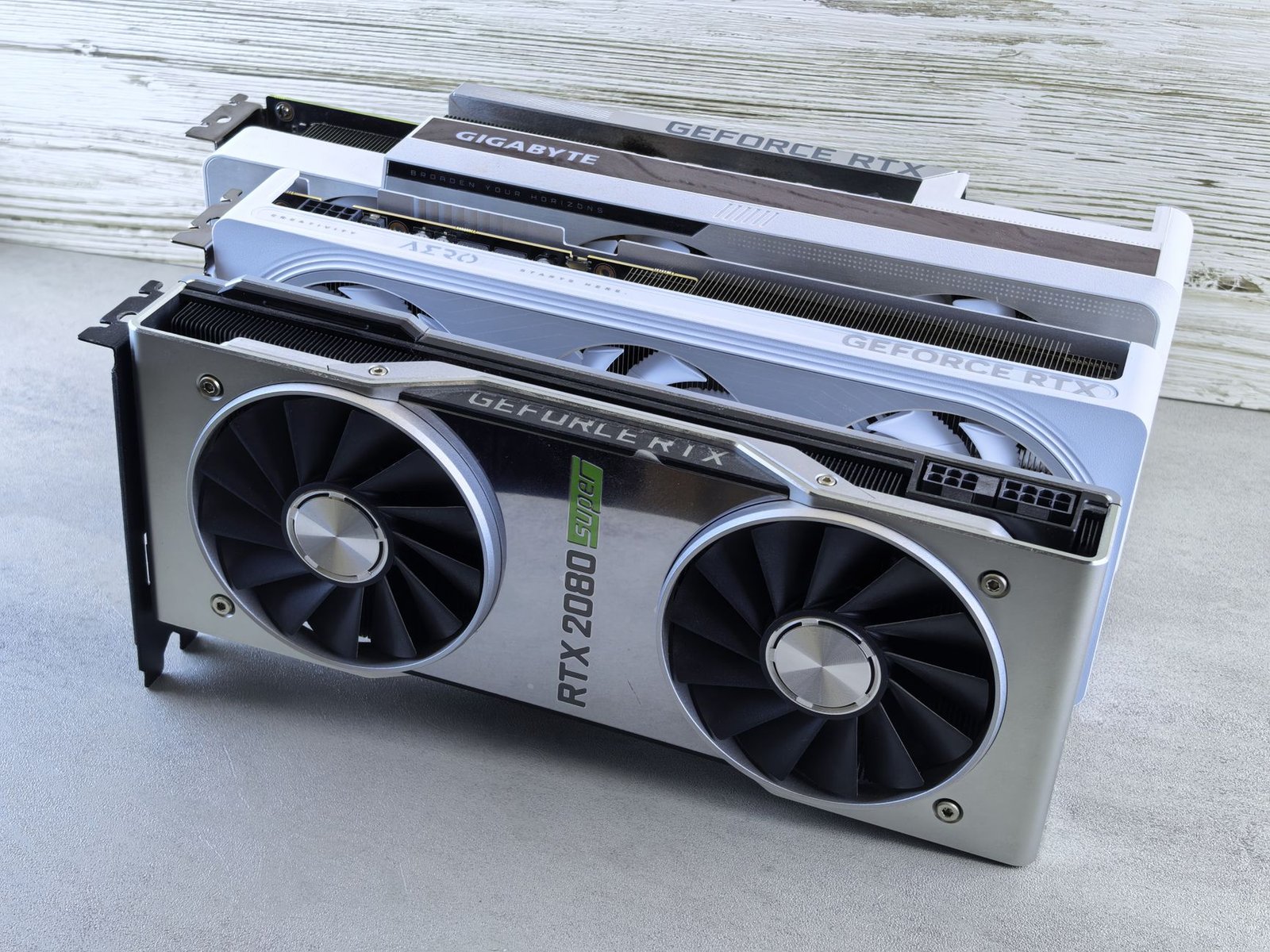
GPUs, known for their graphic rendering capabilities, have become critical in managing AI computations due to their aptitude for handling parallel tasks. However, as newer, more efficient models emerge, older GPUs risk becoming obsolete, potentially losing value over time. Nvidia’s plan addresses this by ensuring these GPUs remain financially viable, thus encouraging continued investment in AI infrastructure that utilizes them.
Attracting a New Wave of Financial Allies
To breathe life into this plan, Nvidia is targeting a broad spectrum of financial entities. The goal is to show these potential backers that despite technological aging, the return on investment remains robust if these older GPUs are integrated effectively into AI development. By doing so, Nvidia hopes to keep the **AI ecosystem** thriving with diverse and reliable components.
Why Financiers Should Take Notice
In this landscape, success is not just measured by technological prowess but also through strategic fiscal management. Nvidia’s approach serves as an invitation for financiers to view AI not merely as a tech domain but as a fertile ground for novel financial strategies. For instance, similar to how vintage cars can appreciate in value through restoration and historical significance, older GPUs can sustain worth via strategic deployment in systems optimized for specific AI tasks.
The Real-World Impact
Consider a scenario where content streaming platforms rely on a vast array of AI processes to recommend personalized content effectively. Older GPUs, while less powerful than their latest counterparts, can still effectively shoulder specific tasks, actively reducing the cost without sacrificing performance. This realization empowers companies to maximize resources, driving innovation while minimizing financial outlay.
Navigating Forward: The Future of AI Innovation
Nvidia’s innovative thinking acts as a beacon for how AI’s future may unfold. By revamping how we perceive the use and investment in technology, particularly through aging components, the company paves the way for a more inclusive tech ecosystem. This could lead not only to more sustainable practices but also to the democratization of AI technology. The industry stands on the brink of a paradigm shift where every component, regardless of its age, has the potential to contribute to groundbreaking advancements.
