




As AI becomes a driving force in numerous industries, a seismic shift is unfolding in the financial world. Imagine a future where technology isn’t just a tool but a tangible asset, evolving from traditional roles. This revolutionary concept has quickly transcended speculation to become a reality, and it’s being pioneered by none other than Nvidia.
Key Takeaways
- Nvidia partners with leading financial firms to establish compute as a new asset class.
- This initiative could redefine how technology and financial markets interact.
- Compute assets include technology chips that generate revenue and are flexible in application.
- Financial innovation like this could democratize access to cutting-edge tech for smaller players.
- The long-term implications could reshape industries relying on AI and high-performance computing.
The Birth of a New Asset Class
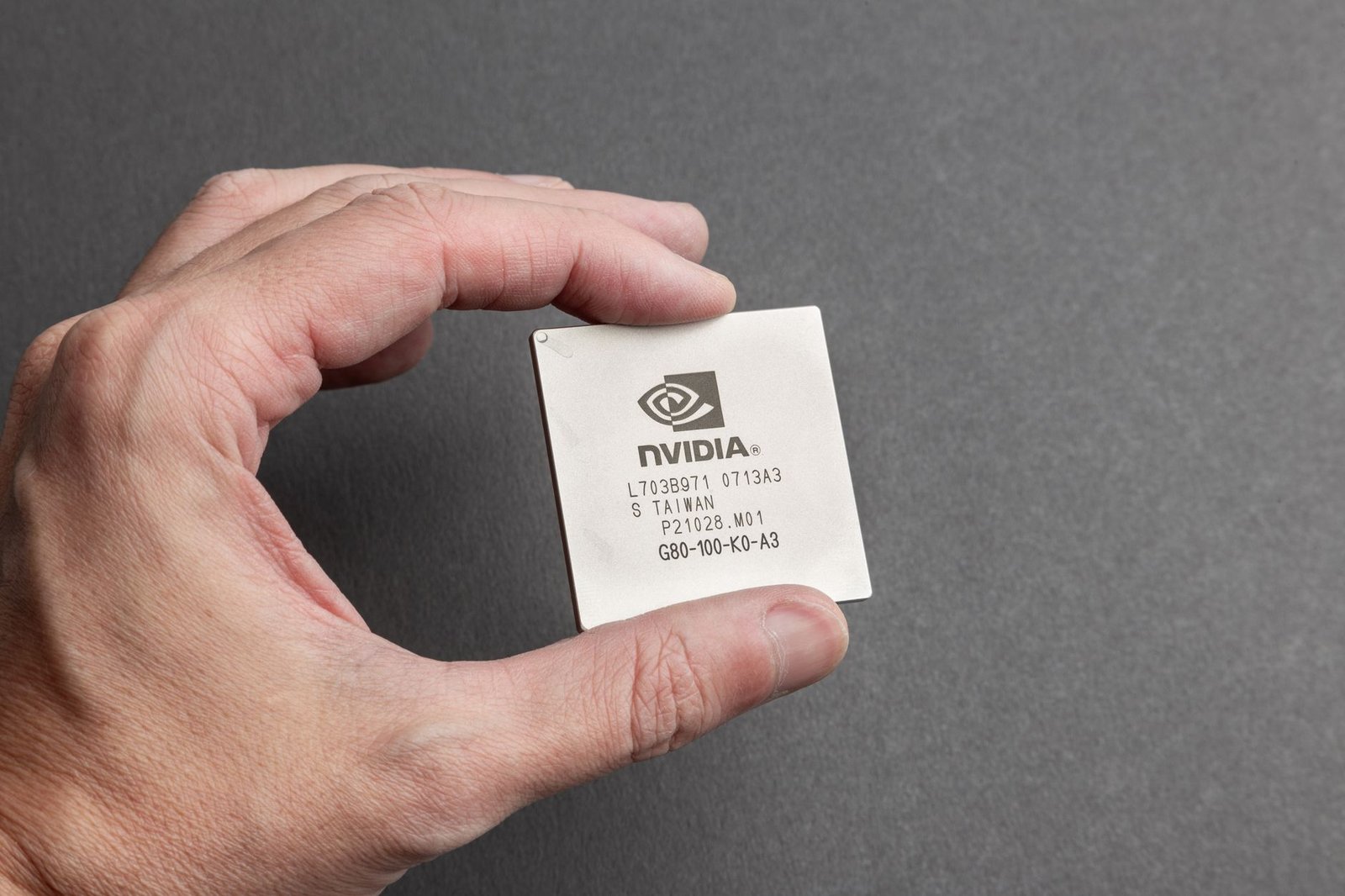
Picture this: technology chips, the essential building blocks of computing systems, being viewed similarly to stocks or bonds. Nvidia, a leader in graphics processing units (GPUs) and AI, is making waves by collaborating with financial giants like Apollo, BlackRock, and Goldman Sachs. Together, they are assembling a formidable $500 billion in financing aimed at transforming compute power into an asset class. This trailblazing approach suggests technology chips are maturing beyond mere components and evolving into investment-worthy assets.
What Makes Compute an Asset?
According to Nvidia CEO Jensen Huang, the value of these chips lies in their revenue-generating capabilities. These assets are not only productive and long-lived but also fungible—meaning they can be easily exchanged or substituted. Additionally, their **flexibility** allows them to adapt to various applications, from powering AI models to functioning in data centers.
Understanding this concept is akin to realizing that prime real estate isn’t just a piece of land; it’s a long-term investment with potential for appreciation. Similarly, as demand for computational power skyrockets, viewing these technology chips as pivotal investment opportunities becomes a forward-thinking strategy.
A Financial Revolution in the Making
This move places technology firmly within the ambit of financial markets, drawing parallels to commodities like gold and oil. The transformation of compute into an asset class could potentially democratize access to advanced technology, opening doors for smaller firms to harness high-performance computing without needing massive capital investments upfront.
Real-World Example: Compute as the New Gold
Consider the parallels with a gold rush. In the early days of the California Gold Rush, individuals and small groups flocked to exploit a valuable resource, spurring economic growth. Similarly, treating compute as an investable resource could ignite innovation and opportunities across various sectors, from healthcare to automotive industries.
Looking Ahead: The Future of Compute in AI
As we venture into the future, **compute as an asset class** heralds a new paradigm where financial markets and technology are interwoven more intricately than ever. This initiative not only accelerates the pace of technological innovation but also aligns investment with the high-speed evolution of AI and high-performance computing. By tapping into the financial world’s vast resources, Nvidia and its partners could redefine how industries leverage technology for growth and competitiveness.
In conclusion, as AI continues to transform technological landscapes, the bold move to establish compute as a financial entity holds promise to reshape economic frameworks, fostering a new era where technology and finance move in tandem, driving the next wave of global advancement.
