



In a world where AI is becoming an integral part of daily life, OpenAI is taking strides to bring artificial intelligence into our hands in new and innovative ways. What might seem like science fiction today could soon be sitting on your living room table or clipped to your jacket.
Key Takeaways
- OpenAI is developing a “family of devices” designed for AI interaction.
- Details on the types of devices, such as smart speakers or wearables, remain speculative.
- No official release dates have been provided yet, though launches are expected soon.
- The collaboration with former Apple designer Jony Ive continues despite legal challenges.
- This move could significantly shape how we interact with AI technology in the future.
OpenAI’s Vision for AI Devices
In a recent interview, OpenAI president Greg Brockman revealed the company’s ambitions to create a “family of devices” that would enable a more seamless interaction with their AI models. While he remained tight-lipped about specific products, this disclosure has sparked curiosity about what these devices might include.
The Mystery of Device Types
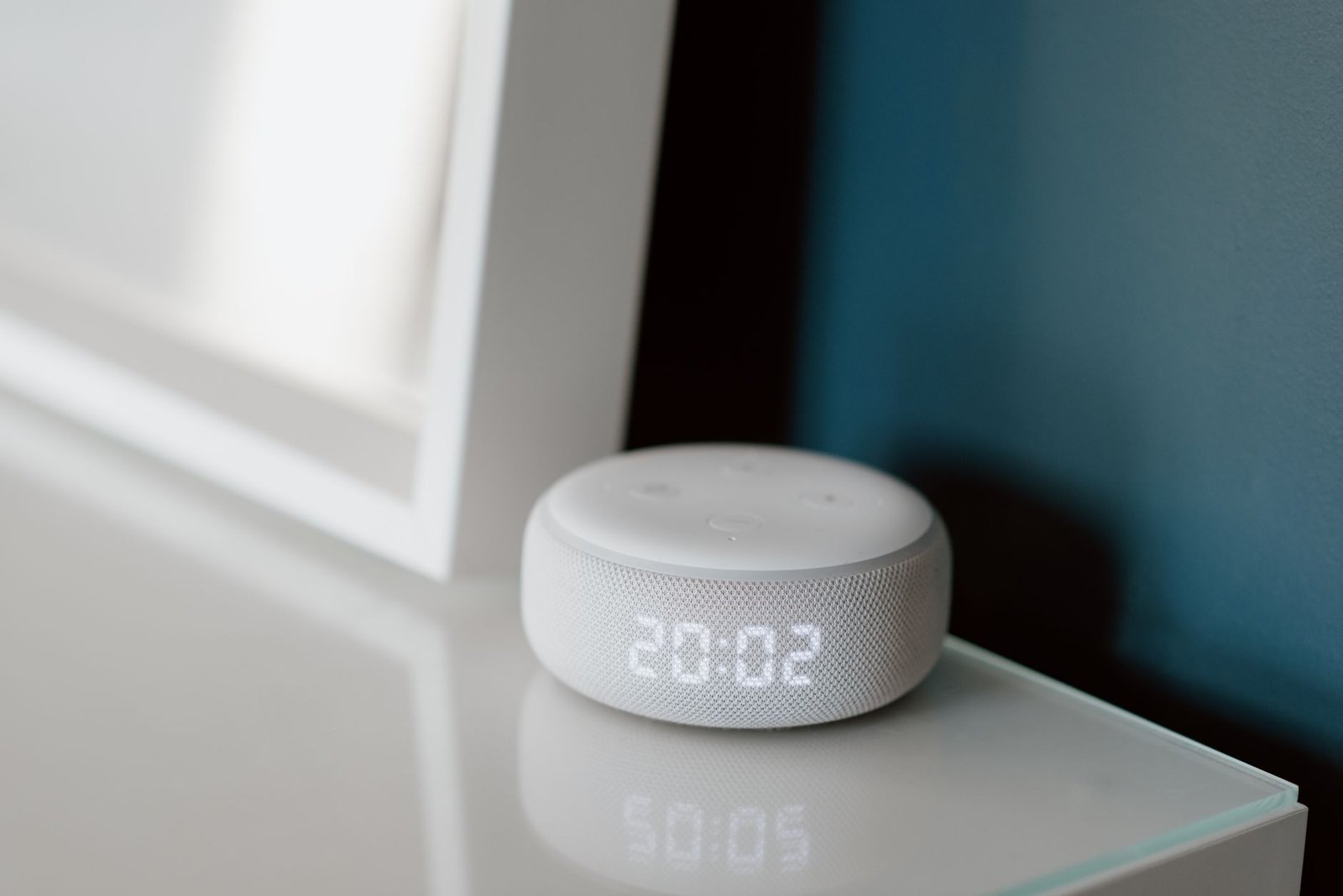
Rumors have swirled around the tech community, suggesting that one potential device could be a smart speaker, akin to Amazon’s Alexa or Google’s Nest. However, Brockman did not confirm or deny these speculations, leaving much to the imagination. Additionally, earlier rumors suggested a wearable device, possibly inspired by the Humane AI pin, a gadget designed to unobtrusively integrate AI assistance into everyday life.
The Role of Collaboration and Design
One of the most intriguing aspects of OpenAI’s journey is its partnership with former Apple designer Jony Ive, known for his role in crafting iconic Apple products. Despite the legal entanglements involving Apple and OpenAI, Brockman asserted, “We are focused on our vision and the potential of AI to transform lives.” This collaboration hints at a future where AI devices are not only functional but also aesthetically pleasing and user-friendly.
Understanding the Ecosystem
To better understand what OpenAI’s “family of devices” might offer, consider the ecosystem approach used by major tech companies like Apple and Samsung. By creating a suite of interconnected devices, OpenAI aims to create a comprehensive AI experience. Imagine controlling your smart home, managing your schedule, or even learning new languages through a cohesive array of tools that intuitively understand your needs.
Potential Impact and Future Developments
The potential introduction of these AI devices by OpenAI is noteworthy because it represents a significant shift towards more personal and integrated forms of AI. Such devices could revolutionize how we interact with technology, making AI an even more indispensable part of everyday life.
Real-World Implications
For a real-world analogy, think of how smartphones transformed communication by turning phones from simple calling devices into powerful handheld computers. Similarly, OpenAI’s new devices could redefine our expectations of what AI can accomplish, going beyond simple voice commands to becoming intuitive companions that understand and anticipate our needs.
In conclusion, as we anticipate the arrival of OpenAI’s revolutionary AI devices, the tech world is abuzz with possibilities. These innovations could mark a new era where AI is ubiquitously ingrained in our surroundings, offering unprecedented convenience and enhancing our daily interactions with technology. The future is bright for AI enthusiasts, and OpenAI seems eager to light the way.
