



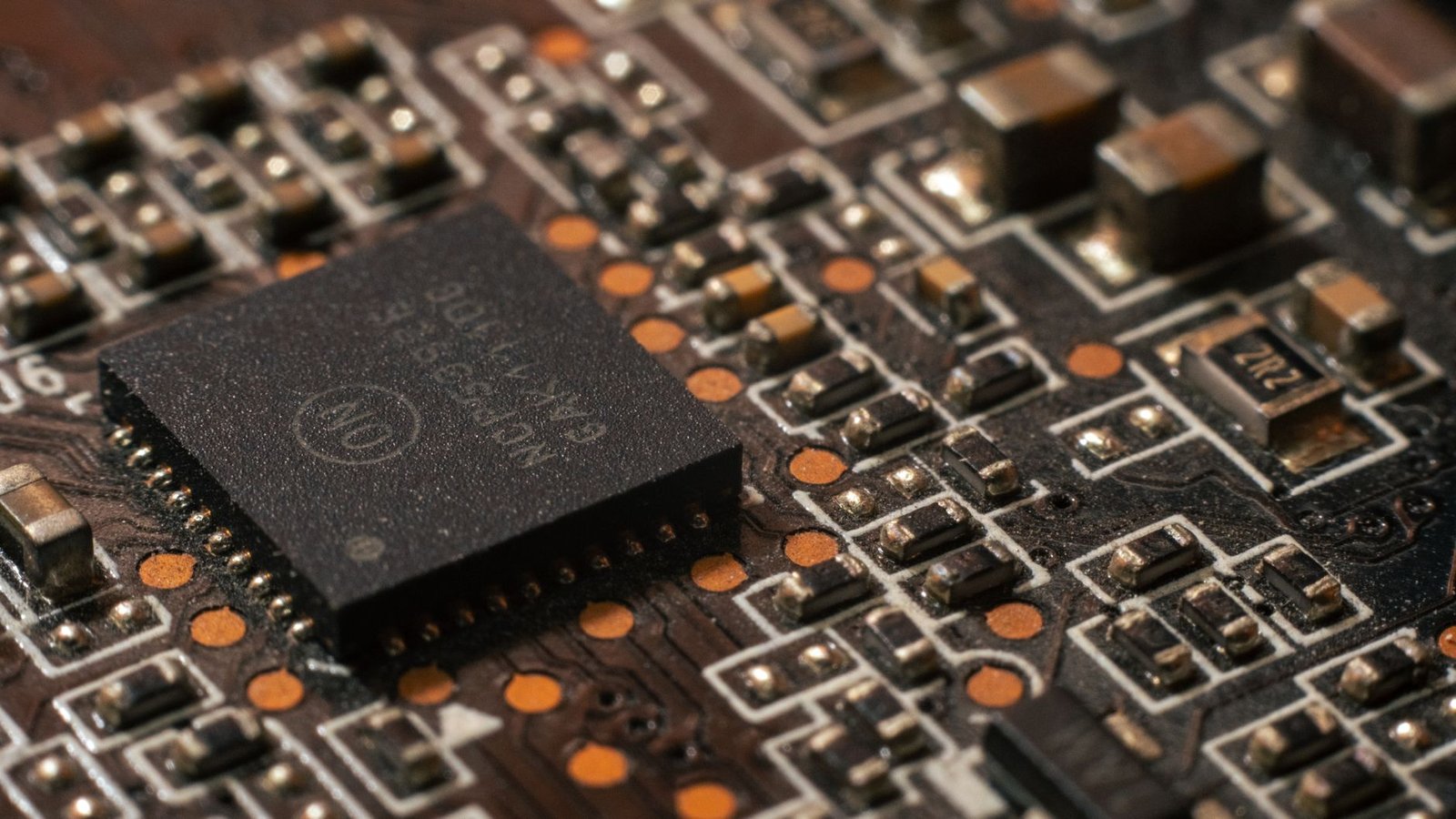
The world of AI hardware is evolving at lightning speed, and OpenAI’s latest innovation, the **Jalapeño chip**, is set to heat things up even more. Not only does it promise blazing-fast processing, but it also offers unmatched efficiency. But what exactly makes the Jalapeño chip so revolutionary?

- The Jalapeño chip exhibits higher token counts per user, enhancing performance.
- Displays more throughput per kilowatt, indicating energy efficiency.
- Designed specifically for swift AI inference tasks.
- Promotes scalability for applications needing large-scale computations.
- Possibilities for widespread applications in diverse industries.
Understanding Jalapeño: A Deep Dive into AI Inference
The Jalapeño chip from OpenAI has been benchmarked on SemiAnalysis’ **InferenceX**, a rigorous test that evaluates how efficiently chips perform AI tasks. But what does **inference** mean in AI? Simply put, inference in AI refers to the process by which neural networks take what they’ve learned during training and apply it to new data. It’s a critical step in making informed predictions or decisions without human intervention.
The exceptional performance of Jalapeño on the InferenceX benchmark shows its capability to handle more **tokens** per user session. In the context of machine learning, a token is a unit of data that models analyze. The more tokens a chip can process efficiently, the faster it can produce results. Jalapeño’s increased token count means quicker responses and smoother operation for applications like chatbots and real-time language translators.
Efficiency Redefined: More Throughput Per Kilowatt
In this age of sustainability, energy efficiency is crucial. Jalapeño delivers on this front by offering more **throughput per kilowatt**. Throughput refers to the rate at which a system can process requests, and in the case of AI, it’s the number of predictions or tasks the chip can perform within a given energy limit. Greater throughput per kilowatt not only lowers operational costs but also aligns with global efforts to reduce environmental footprints.
Imagine running a high-speed train that uses less fuel per mile traveled. Jalapeño works in a similar way—delivering more compute power while conserving energy, an advantage for data centers and tech companies focusing on cutting down their carbon emissions.
Real-World Applications: What Can Jalapeño Do?
The capabilities of the Jalapeño chip extend far beyond mere performance specifications. Consider the healthcare sector, where speed and accuracy are non-negotiable. Jalapeño could enable rapid patient data analysis, allowing for quicker diagnostics and personalized treatment plans. Additionally, in e-commerce, it could revolutionize customer interaction by powering smarter virtual assistants that understand and respond to queries in real-time.
Scalability: Ready for the Future
One of Jalapeño’s standout features is its **scalability**. Whether you’re a small startup or a multinational enterprise, the ability to scale your infrastructure as demand grows is vital. Jalapeño’s design caters to this need, offering efficient handling of massive volumes of data as user bases expand.
Consider a streaming service that suddenly gains international popularity. Jalapeño chips could manage the influx of data from millions of new subscribers, ensuring seamless service without a hitch.
Looking Ahead: What Jalapeño Means for AI’s Trajectory
OpenAI’s Jalapeño chip is more than just a technological advancement; it’s a glimpse into AI’s promising future. With its combination of speed, efficiency, and scalability, it sets a new standard in AI hardware.
As AI models continue to grow in complexity and size, having hardware that can keep pace is crucial. Jalapeño’s emergence suggests a future where AI can be scaled efficiently while minimizing environmental impact. This could lead to breakthroughs in AI applications across sectors, from seamless machine-human interactions to making critical decisions swiftly and accurately.
The Jalapeño chip is a testament to the astonishing progress in AI hardware. Its potential to navigate AI’s complex requirements while addressing energy demands heralds a new era of intelligent, sustainable computing.
