




Imagine entering a hospital where the intricate processes of healthcare administration harmoniously blend with cutting-edge technology to offer a seamless experience. This is the evolving reality as AdventHealth integrates **OpenAI’s ChatGPT** into its healthcare ecosystem.
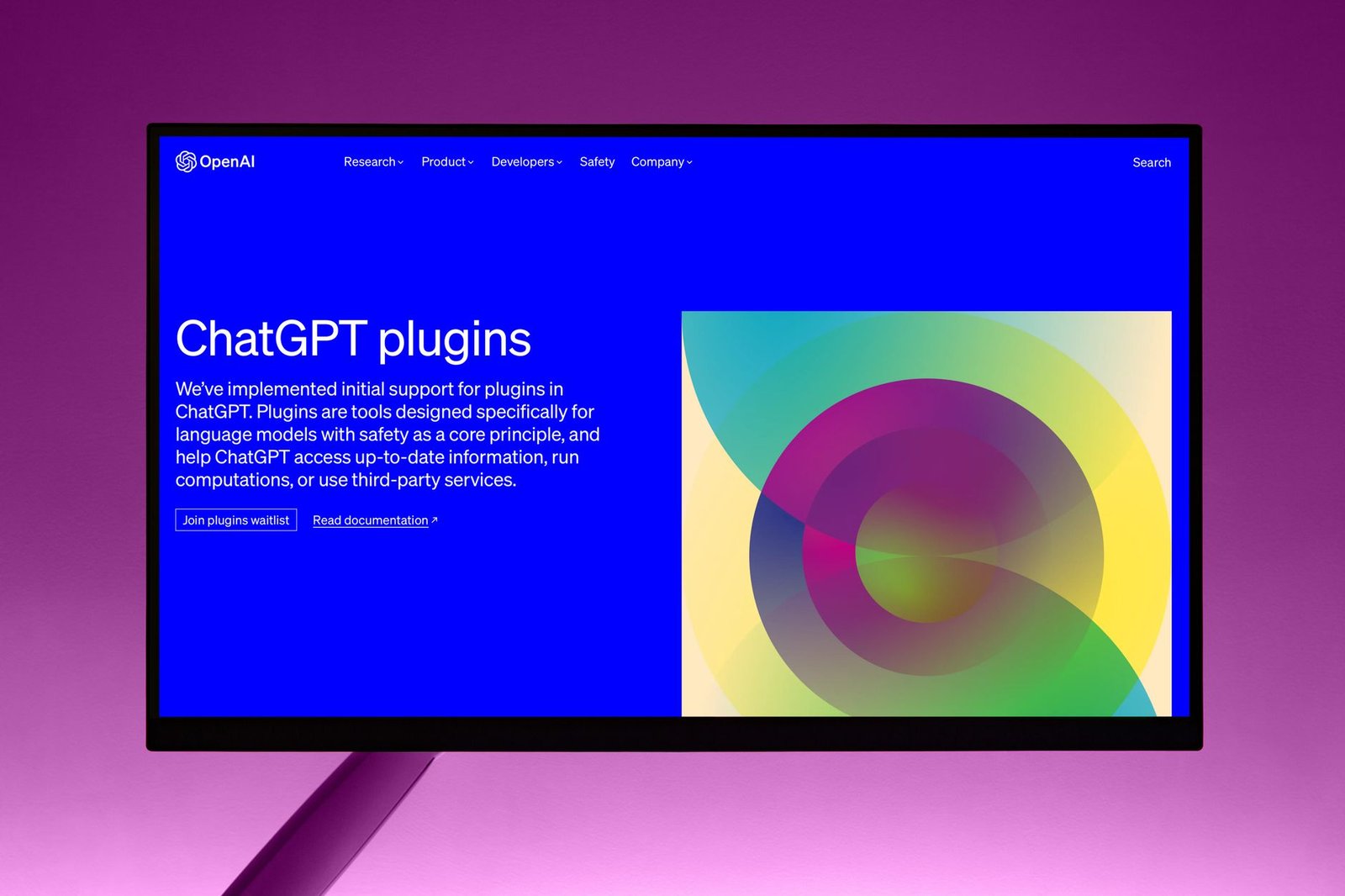
Key Takeaways
- **AdventHealth** employs **ChatGPT** to streamline healthcare workflows and improve efficiency.
- This integration helps reduce the administrative burden on healthcare providers.
- Focus on **whole-person care** means more time for direct patient interaction.
- Technology aids in experiencing a more personalized and effective healthcare journey.
Revolutionizing Healthcare Workflow
The traditional healthcare system is often bogged down by extensive administrative tasks. These include scheduling, record-keeping, and managing patient data. However, **AdventHealth** is shifting gears by implementing OpenAI’s **ChatGPT**, a sophisticated language model, to tackle these routine tasks. By adopting this technology, healthcare providers can now **automate repetitive processes**, allowing medical professionals to focus on what truly matters—the patient.
Understanding ChatGPT in Healthcare
**ChatGPT** is a product of OpenAI, designed to understand and generate human-like text. In the realm of healthcare, it functions as an invaluable digital assistant. Imagine it as a highly intelligent helper that can schedule appointments, retrieve medical records swiftly, and even provide updated information to both patients and providers. This level of automation significantly decreases the time medical staff spend on administrative duties, enabling them to devote more time to direct patient care.
Reducing Administrative Burdens
Administrative duties can often diminish the time available for patient interaction, a critical aspect of comprehensive care. With **ChatGPT’s** **AI-powered assistance**, AdventHealth envisions a future where healthcare providers are relieved from the repetitive grind of paperwork. For example, nurses could use ChatGPT’s functionality to update patient records through a simple voice command, ensuring accuracy and saving time. This technology acts much like a personal secretary, always ready to take over the mundane tasks, freeing medical professionals to concentrate on patient-centered activities.
Improving Whole-Person Care
The concept of whole-person care emphasizes treating the patient holistically rather than addressing symptoms in isolation. By utilizing **ChatGPT**, AdventHealth can enhance this aspect by providing healthcare professionals more time to engage with patients directly, fostering a supportive environment that prioritizes physical, mental, and emotional well-being. This aligns perfectly with the mission of enhancing patient experiences and outcomes.
Example: The Appointment Dynamic
To grasp how **ChatGPT** impacts day-to-day hospital functions, consider the process of scheduling a series of patient appointments. Traditionally, this requires significant back-and-forth and manual entry, leading to potential errors and inefficiencies. With ChatGPT, the system can autonomously manage these schedules, notify all involved parties, and update any necessary records without human intervention. Imagine a bustling train station where every train runs seamlessly on time, thanks to an unseen conductor orchestrating every move. This is precisely the ease ChatGPT brings to the healthcare setting.
Looking Ahead: AI’s Future in Healthcare
The integration of **ChatGPT** at AdventHealth is just the beginning. As AI technology continues to evolve, its applications in healthcare promise to grow more robust, offering more nuanced and comprehensive solutions to complex medical challenges. We can look forward to a future where AI forms a critical backbone of healthcare, driving unprecedented levels of efficiency and patient satisfaction. The promise of a healthcare system where technology empowers human connection is no longer a distant dream but an imminent reality, thanks to innovations like **OpenAI’s** ChatGPT.
