


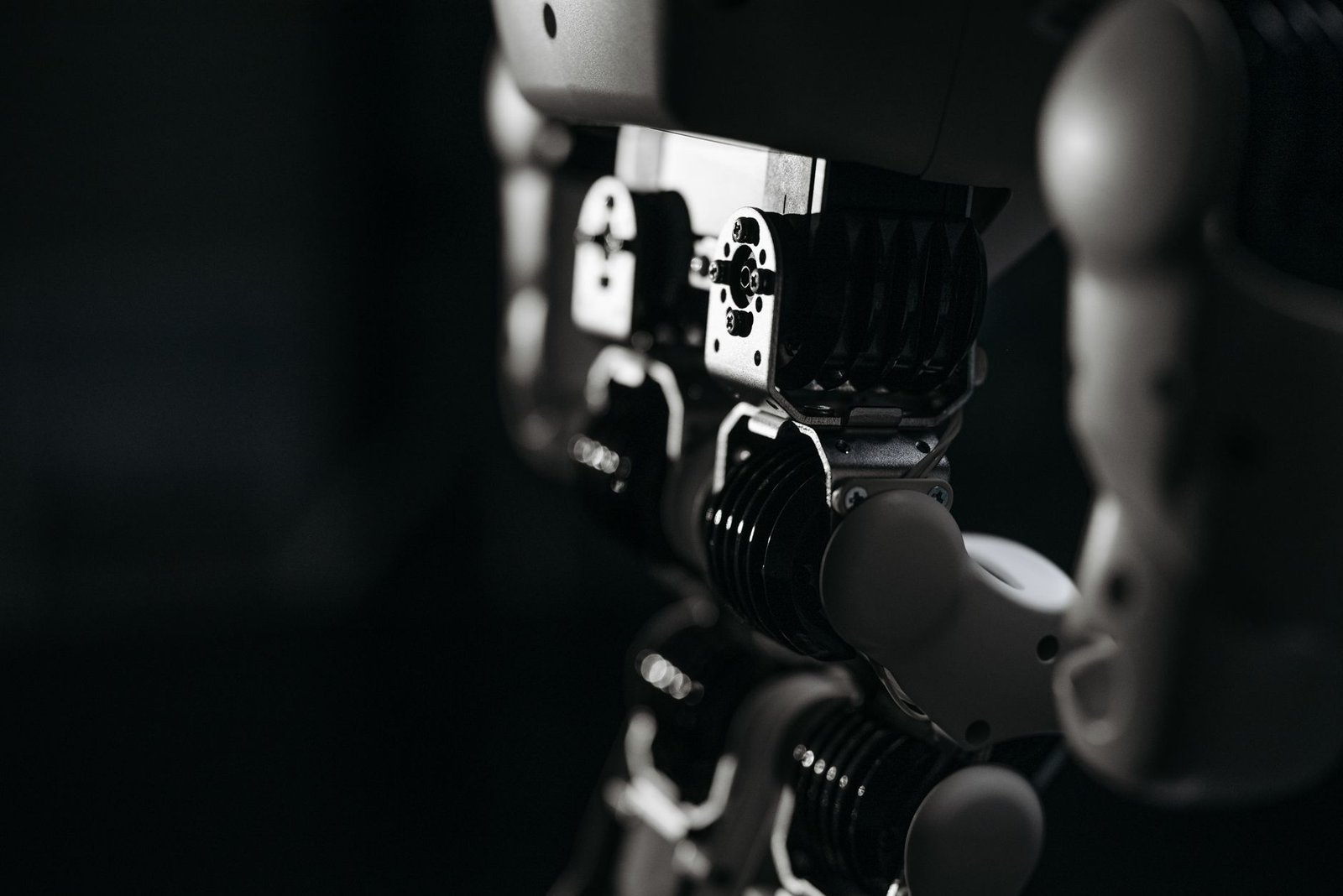
When you think of Tesla, cars are likely the first thing that comes to mind. However, a look behind the scenes reveals a surprising truth about Elon Musk’s true focus: **robots and AI are the real stars** at Tesla earnings calls. This priority shift represents a broader trend in technology and innovation, hinting at the exciting future of automation and artificial intelligence.

Key Takeaways
- Elon Musk dedicates significant focus to **robotics and artificial intelligence** during Tesla’s earnings discussions.
- Attention on traditional automobile development is lessening in favor of AI advancements.
- AI is not only transforming the way Tesla operates but could revolutionize industries globally.
- Understanding AI’s potential is crucial for making sense of the direction Tesla and similar companies are heading.
- The future might hold **integrated AI systems** that go beyond vehicles and permeate daily life.
The Shift from Cars to AI
For years, Tesla was synonymous with electric cars. Yet as analyzed over a span of seven years’ earnings calls, it’s clear that Musk’s conversations have gravitated towards **artificial intelligence and robotics**. This change is not just a reflection of Musk’s personal interests but underscores a pivotal shift in how Tesla plans its course for the future.
Why AI is Front and Center
You might wonder why an automaker would focus so extensively on AI. In simple terms, **artificial intelligence** refers to the development of computer systems that can perform tasks that typically require human intelligence, such as visual perception, speech recognition, decision-making, and language translation. For Tesla, leveraging AI technology means not only improving **autonomous vehicle capabilities** but also enabling robots to perform tasks traditionally handled by humans.
Imagine lying on a beach while your Tesla vehicle finds its own parking spot or performs maintenance checks. This scenario is made possible by Tesla investing in AI that can understand and interact with the world autonomously. It’s more than just convenience; it is about creating systems that learn, adapt, and eventually improve over time.
The Role of Robots in Tesla’s Vision
Robotics and AI at Tesla are not just limited to cars. Musk envisions a future where **robots assist in manufacturing, maintenance, and even household tasks**. This parallels the concept of having a “digital assistant” but takes it to a tangible, physical helper. Just like how a smartphone revolutionized personal communication, these robots could redefine how humans engage with the physical world.
Breaking Down Complex AI Technologies
Technically speaking, Tesla utilizes **neural networks**, which mimic the human brain to process complex data patterns and improve machine learning algorithms. These networks play a vital role in Tesla’s AI systems, allowing robots to detect objects, interpret surroundings, and make decisions in real time.
Consider how Google Maps predicts traffic patterns based on user data. Similarly, Tesla leverages data from its fleet to enhance its AI models, ensuring continuous improvement and reliability. This ongoing development could ultimately result in hyper-efficient robots and cars that function seamlessly within our day-to-day environments.
Anticipating AI’s Impact on the Future
The spotlight on AI during Tesla’s earnings calls is indicative of a broader shift towards automation and intelligent systems across industries. This move toward embracing AI technologies promises a future abundant with new possibilities and innovations.
Visionaries like Musk are not only pushing the boundaries of what AI can do today but also paving the way for **humankind’s technological evolution**. We might soon live in a world where AI is woven into the fabric of our lives, blurring the line between reality and science fiction. The discussion shifts from what AI can do for us now to what it might soon achieve, painting a landscape rich with promise and advancement.
