



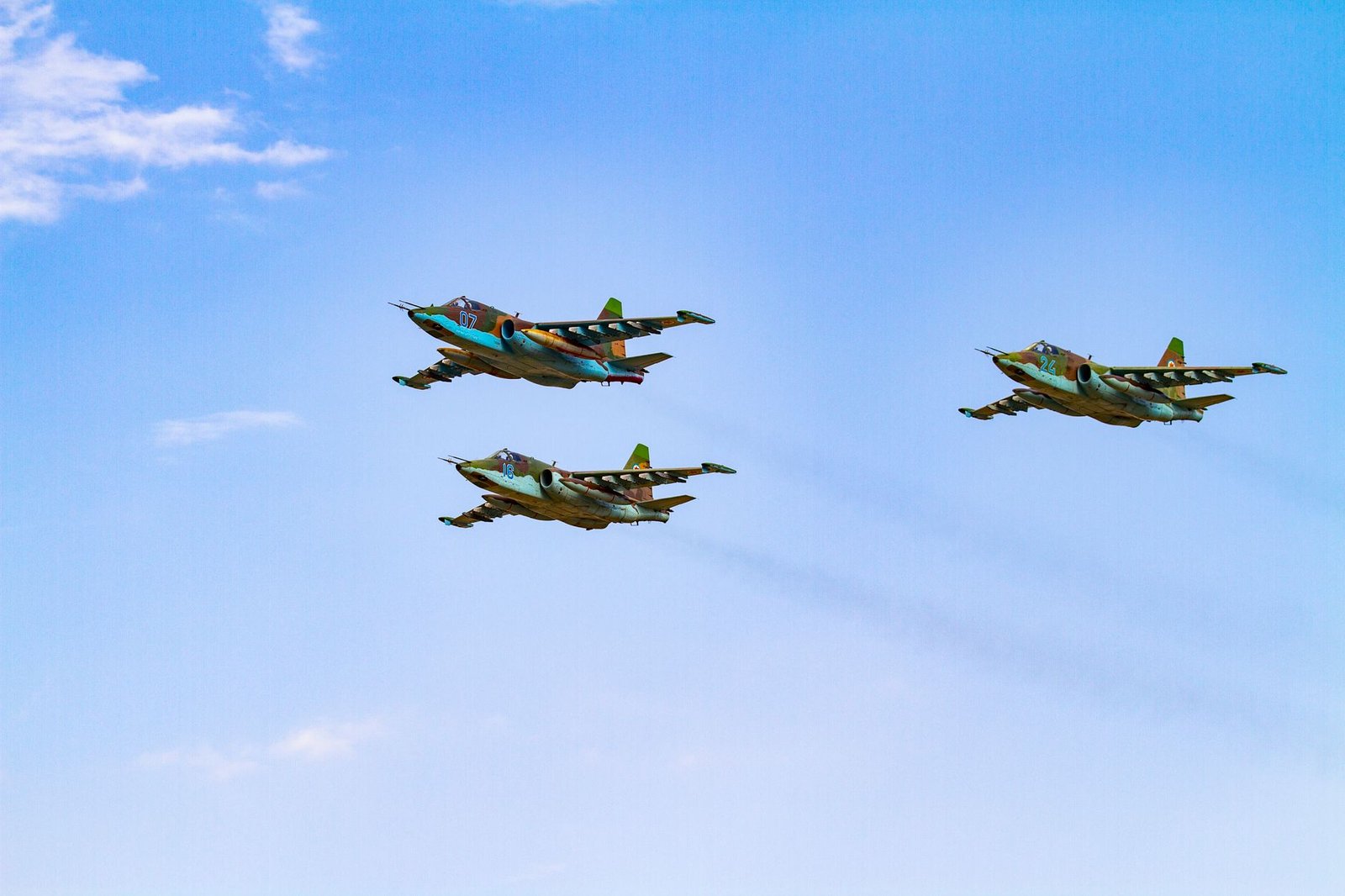
In a dramatic encounter echoing the suspense of a techno-thriller, a Romanian F-16 fighter jet recently thwarted a potentially disastrous attack by a **droning menace** in the Black Sea. This unfolding saga exposes the vulnerabilities in maritime security and highlights the evolving role of **AI and technology** in defense mechanisms.
Key Takeaways
- Romanian forces intercepted a Russian drone boat intended to jeopardize a key European gas platform.
- F-16 fighter jets played a pivotal role in neutralizing the threat using cannon fire.
- This incident underscores the rising importance of AI-driven technology in military operations.
- Protection of energy infrastructure is paramount as Romania targets becoming a top EU gas producer.
- AI can play an integral part in enhancing future security protocols for offshore platforms.
Intercepting a Maritime Threat
Amidst the hustle of workers on the Neptun Deep project’s main drilling platform, a **Russian drone boat**, skirted just hundreds of meters away, laden with explosives. Quick action was necessary to avert a catastrophe involving the impending launch of Romania’s monumental gas project, which aspires to establish the country as the largest **gas producer in the EU by 2027**.
The Role of F-16 Fighter Jets
The Romanian military deployed two nimble F-16 fighter jets to confront this unpredictable threat. These jets, armed with cannon fire capabilities, were instrumental in disabling the hostile **surface drone**, allowing explosive ordnance experts to safely proceed with a controlled detonation, a strategy captured vividly through the defense minister’s social media updates.
Defining Technical Terms
For the uninitiated, a **drone** refers to an unmanned aircraft or ship that can navigate autonomously under the control of a remote operator. In military contexts, drones can range from reconnaissance gadgets to impactful tools capable of carrying harmful payloads.
The Strategic Significance of the Neptun Deep Project
This offshore venture is not merely a gas extraction operation, but a linchpin in Europe’s quest for energy independence. As global dynamics fluctuate, energy sources away from contentious territories have become invaluable. Protecting such infrastructure against physical and cyber threats ensures a stable energy supply chain for the region.
AI: The Future Guardian of Energy Assets
Peers in **AI and automation** can draw parallels to the digital defense mechanisms being embraced worldwide. Think of AI as a vigilant guard that not only detects intrusions but anticipates and responds to threats autonomously. Imagine AI systems patrolling futuristic oceans, using machine learning to analyze patterns and predict incursions—akin to antivirus software on a global scale.
Real-World Analogies
Picture how a digital assistant, much like Google’s predictive algorithms in search engines, could predict and prevent such maritime threats by analyzing reams of data from various sources—satellites, ships, and even human intelligence.
The Road Ahead: AI and Beyond
As we gaze toward the horizon, it is clear that **AI technologies** will continue to play a critical role in military and civilian applications alike. Their ability to adapt and respond in real-time to emerging challenges will define future engagements and collaborations across the globe. Ensuring the security of vital infrastructures like the Neptun Deep will be a testament to how these technologies can harmonize with human efforts in safeguarding our world.
