




Imagine rushing to an emergency scene only to find an unexpected obstacle—a self-driving car. As these autonomous vehicles become more common, they’re causing unexpected challenges for first responders. Can technology find a way to collaborate with those who save lives?
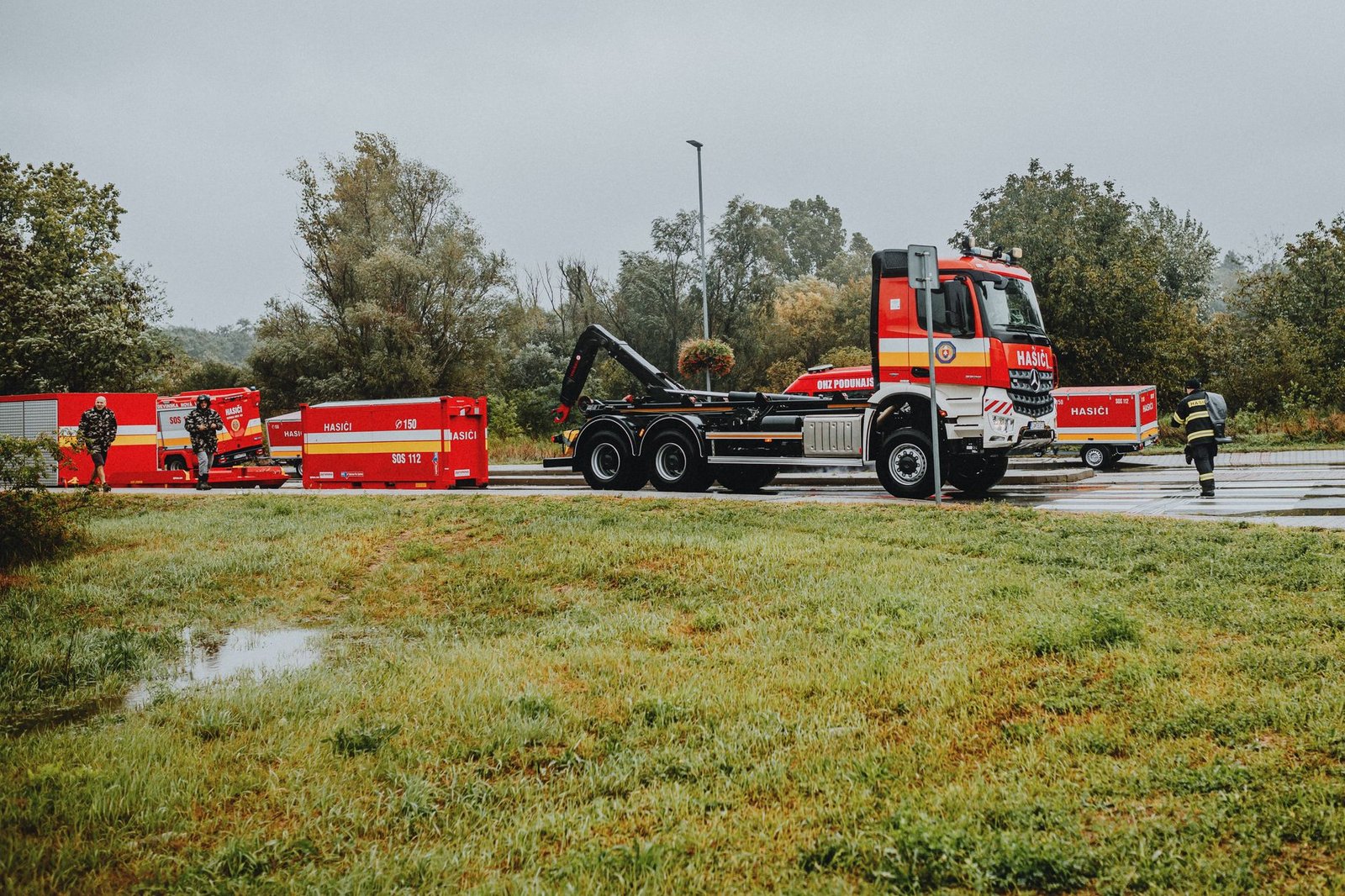
- Automated vehicles are intended to make roads safer but sometimes complicate emergency responses.
- The NHTSA highlighted significant concerns about self-driving cars interfering with emergency scenes.
- Technology’s capacity to adapt and learn is crucial for integrating these systems safely into society.
- Understanding the systems behind these vehicles is key to both resolving issues and enhancing AI safety.
- The future of AI in transportation will depend on collaboration between technology developers and emergency services.
AI Meets the Fast Lane: A Double-Edged Sword
Automated vehicles, which rely on advanced **Artificial Intelligence (AI)** to navigate roads, promise increased safety and efficiency. These cars use various sensors like LiDAR, cameras, and radar to create a 360-degree perception of their surroundings. **LiDAR**, for instance, is akin to having “laser eyes” that help visualize the road and any obstacles.
However, the same AI systems that help these vehicles operate can sometimes misinterpret emergency situations. Recent reports indicate instances where **self-driving cars** have naively interrupted emergency responders, blocking critical paths for ambulances or firetrucks. This has triggered alarm bells at the National Highway Traffic Safety Administration (NHTSA).
NHTSA Weighs In: A Call for Urgency and Change
Jonathan Morrison, administrator at the NHTSA, expressed significant concern over these incidents, labeling them as **“unacceptable.”** Authorities emphasize that the integration of AI within our transportation systems must focus not only on efficiency but also on **safety in emergency scenarios**. The goal is to ensure that autonomous vehicles understand when and how to yield to emergency vehicles.
The complexity lies in programming these vehicles to recognize and **react accordingly** to a wide range of unexpected situations. This is where **machine learning** comes into play—teaching AI systems to learn from experience and adapt their behavior over time.
The Human Element: Why It Matters
Consider this analogy: If you’ve ever trained a dog to follow commands, you know it’s crucial that they clearly recognize and respond to your instructions under any circumstance, especially in urgent situations. Similarly, self-driving cars need to ‘learn’ the importance and precision required when maneuvering around emergency responders.
Just as dogs need consistent training and positive reinforcement, AI systems require **robust datasets and algorithms** to understand when to stop, yield, or re-route in the presence of emergency vehicles. Developers are constantly improving the systems that process this real-world data, refining them to better mimic human decision-making in complex scenarios.
Innovation and Collaboration: A Path Forward
Understanding the technology behind autonomous vehicles and addressing their limitations are steps toward safer integration. Collaboration between **techo-developers** and **first responders** could pave the way for innovative solutions. This could include special communication channels between emergency services and driverless vehicles, enabling them to share critical information instantaneously.
Looking ahead, the key lies in evolving these systems to not only comprehend the rules of the road but also the nuances that come with real-world driving and emergencies. The integration of **V2X technology** (vehicle-to-everything communication) could provide vehicles with vital data about upcoming emergency situations.
The Road Ahead: A Responsible Innovation
As self-driving technology matures, the priority should be on ensuring these vehicles enhance safety without inadvertently becoming obstacles. Continued research, **regulatory guidelines**, and technological advancements will be crucial in achieving harmony between autonomous vehicles and emergency operations.
The journey toward seamless integration of AI in transportation is undoubtedly intriguing, presenting both challenges and opportunities. As we look to the future, strategic collaboration could lead to a new era where **AI enhances** first responders’ capabilities rather than hindering them, making our roads safer and emergency responses more efficient.
